Thinking About Water Filtration Throughout Gadsden County Florida?
Equipment gets chosen to fix a measured problem, and the fix is only as good as the diagnosis behind it; the sections below put the options in plain language.
Phone Ackuritlabs And Aqua Systems at 850-616-2634 to ask which questions come before any equipment.
The Order of Operations: Why Skipping It Backfires
Orange stains, chalky scale and a swampy smell can each have a separate cause, and each calls for different gear; a sample sent to a laboratory turns a guess into a figure. Anyone without a recent report can usually be pointed to a suitable panel first; the equipment decision waits until the numbers are in.
Ion Exchange – Swapping Minerals for Sodium or Potassium
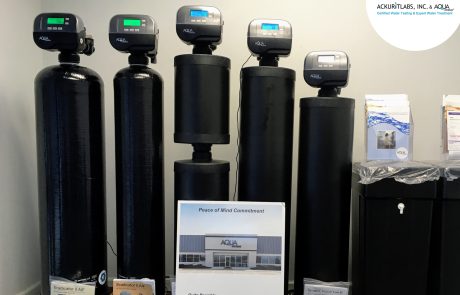
The beads in a softener hold hardness minerals until they are rinsed clean; when the beads fill up, a brine rinse flushes the captured minerals to a drain. Softened supply leaves less scale on fixtures, glass and heating elements, though a softener does little for iron staining beyond a modest level.
Alternatives to the Brine Tank: What They Do and Do Not Do
Nothing is exchanged, so the lab number for hardness reads the same before and after, though results vary with the water and the model. Anyone expecting the soft feel of a true softener should know the two are different things, and it helps compare options fairly.
Adsorption Media: Why Cartridges Run Out
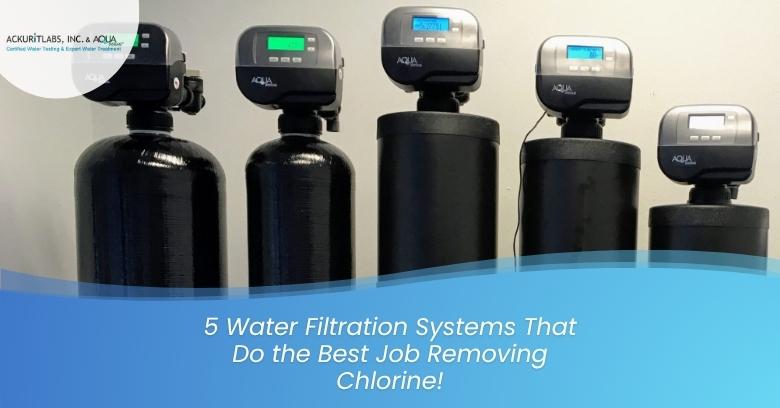
Carbon holds onto certain compounds as supply passes through, which cuts chlorine taste and some odors, and the lab or the utility report can say. Contact time and flow rate affect results, and a unit pushed too hard performs worse; a pre-filter often extends the life of the carbon.
Canisters on the Line: Sizes, Ratings and Swaps
A housing on the line holds a cartridge that screens out particles above a chosen size; a series of coarse then fine elements spreads the load. Putting stages in the wrong order shortens the life of the costlier cartridge, and a pressure gauge on each side of the housing makes that visible.
Reverse Osmosis: Fair Expectations
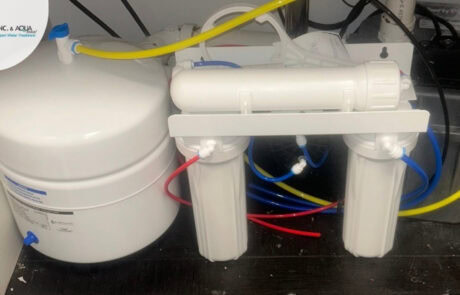
Dissolved solids stay on one side of the membrane and get flushed away; the rejected stream runs to a drain, so a connection to the sink drain is part of the installation. A lab test before and after is the reliable way to know what a particular system achieves; a leak sensor is a sensible add-on.
Chlorination – the Carbon Stage Afterward
A chlorine injector meters a small amount of disinfectant into the line ahead of a holding tank, and the dose is set from lab readings. Residual chlorine has to be removed afterward, and a carbon filter normally takes that job, and chemical equipment is installed and set up with care.
Point of Entry Versus Point of Use: Choosing the Footprint
Everything inside the building sees treated flow when equipment sits at the entry, and the machinery needs floor space near the main shutoff. A point-of-use unit serves a single faucet, usually the kitchen, and suits drinking and cooking; ask for a simple diagram of the plan.
Matching the Unit to the House – Pressure Drop and Pace
The size of the housing and the volume of media set how much a system can handle, along with the hardness or iron level on the lab report. An undersized system forces flow past the media too fast, which weakens the result, and a vague one deserves a follow-up question.
What the Job Requires: the Checklist Behind a Clean Install
Good installations include a way to route flow around the unit when needed, and electrical needs vary from a plug-in transformer to a dedicated circuit. Permits or inspections can be required in some jurisdictions, depending on the work; leave room to open the tank lid and swap a cartridge.
Wells Versus City Lines – Raw Groundwater Versus Treated
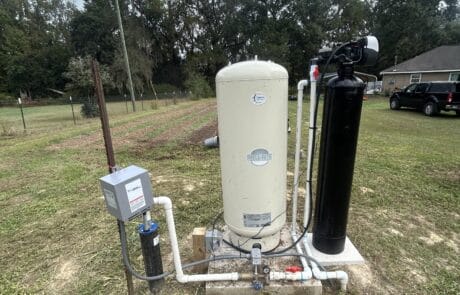
Supply from a public system arrives already disinfected, which changes what is left to fix; sediment and iron tend to be the early concerns. Because the two sources differ, the same product can be a great fit on one and wasted on the other; photos of the existing equipment help.
Hurricane-Season Readiness: What to Check Afterward
A unit left without power may skip a scheduled recharge, which leaves the media tired when flow resumes; checking the time and the settings after power returns takes a minute. A flooded system should be shut off and checked before use, since damage is not always visible; photographs taken before the season make later comparisons easier.
Day-to-Day Presence: Keeping the Area Tidy
A recharge brings gurgling and flowing noises for a spell, usually at a scheduled hour, and a level pad keeps tanks from shifting. Leaving room to open lids, change cartridges and read gauges makes upkeep a quick job; measure doors and hallways as well.
Inherited Hardware – Reading Old Labels
Inherited hardware is worth examining before anything new is added, and the provider can often read the date code. New components usually have to fit the pipe sizes, the pressure and the drain already in place, and old manuals are worth saving.
Larger Buildings and Heavier Demand: Written Specifications
Larger buildings may need several tanks and manifolds, not one household unit, and a drawing of the proposed layout is a reasonable request. Training the people on site about shutoffs and alarms prevents small problems from growing, and it supports any later troubleshooting.
Service Schedule: Signs a Unit Needs Attention
Soft supply depends on a brine tank that is kept stocked; adjust to what the supply actually does. Any change from how the system used to behave is the cue to check it; the provider can inspect and adjust.
Confirming the Result: Tracking Performance
A sample collected after the system is running shows whether the problem was solved, which matters for cartridges and media that wear. If a reading is still high, the report guides the next adjustment; a short note on the equipment installed completes the record.
Where Hardware Stops – Matching Promises to Physics
Marketing language tends to be broader than what a product actually does; ask how that is demonstrated. A fair provider will tell you when equipment is not the fix, or not the whole fix, and the same standard applies to anything written on this page.
A Short Interview: Scope, Parts and Follow-Up
- Which lab results is the proposal based on, and which items does it address; a specific answer is what you want.
- Where will the drain, the power and the bypass go, and what will be cut or moved; a walk-through at the end is reasonable to ask for.
- How will you know the equipment is working a few months from now; follow-up is as important as the install.
Planning a System: Bring What You Know
Speak with Ackuritlabs And Aqua Systems at 850-616-2634 to go over the lab report and the symptoms at your tap.
The Short Version: Matching Hardware to the Finding
Every lasting installation rests on a clear diagnosis, a suitable size and regular care, and everything above about Water Filtration in Gadsden County Florida is general background, not a verdict. To get started, reach Ackuritlabs And Aqua Systems at 850-616-2634; the call goes quickly.
Verified

Verified
Verified
Verified
Verified