Looking for Chlorination System Installation Around Gadsden County Florida?
Good installations start from a lab result and work toward a device that suits it; the sections below describe what each option does and where it stops.
Contact Ackuritlabs And Aqua Systems at 850-616-2634 and say whether the supply is a well or a city line.
Where Treatment Begins: Why Skipping It Backfires
Taste and appearance narrow the field, though only a lab report settles it, which keeps the proposal tied to evidence. Where no result exists yet, a provider can often suggest what to measure; skipping ahead is where most mismatches begin.
Resin Tanks: a Bed of Beads and a Brine Tank
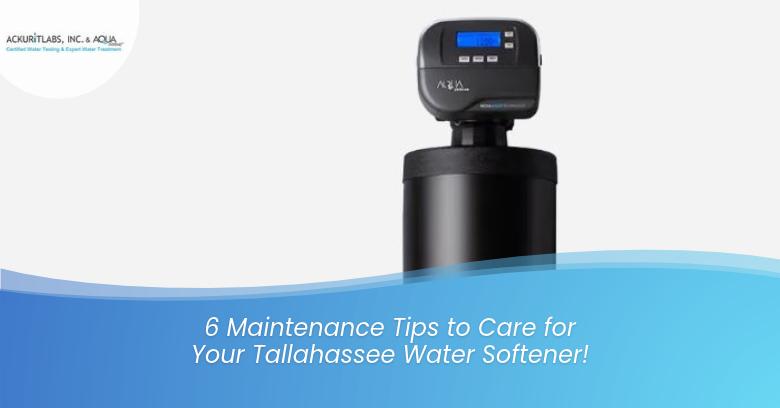
Hardness minerals stick to a charged resin, which swaps them for sodium or potassium ions; the unit needs a drain line and a power outlet. Laundry and dishes tend to come out cleaner where the minerals have been removed; it is not meant to filter out bacteria or chemicals.
Salt-Free Conditioners: No Drain, No Salt, Different Results
The minerals stay in the supply, but the device nudges them toward forming less scale on surfaces; people choose these devices to avoid salt, brine discharge and a drain connection. Expect scale to be reduced rather than eliminated, and expect no change in how soap lathers; asking for a plain description of the outcome avoids disappointment.
Adsorption Media: Why Cartridges Run Out
Filters based on carbon are the usual choice for chlorine taste and many household odors, and the lab or the utility report can say. Capacity depends on how much is in the supply and how much a household uses, and the maker's change interval is a guide, not a promise.
Housings and Replaceable Elements – Catching Grit Before It Travels On
A housing on the line holds a cartridge that screens out particles above a chosen size; the rating, given in microns, states how small a particle the element is built to catch. Carbon cartridges, including carbon block types, often sit downstream of the sediment stage; write the swap date on the canister.
Reverse Osmosis – Dissolved Solids Reduced
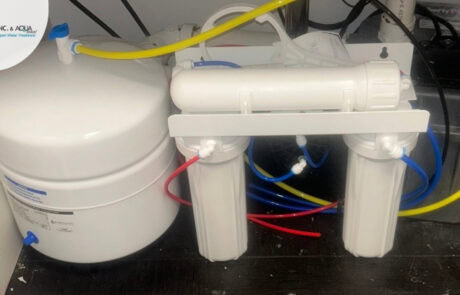
Pressure pushes the supply against a semipermeable membrane, and most dissolved material is held back; the rejected stream runs to a drain, so a connection to the sink drain is part of the installation. Reverse osmosis units reduce many dissolved substances, though performance varies by model and by supply; the provider can explain what to expect for your supply.
Chlorination: a Metering Pump and a Retention Tank
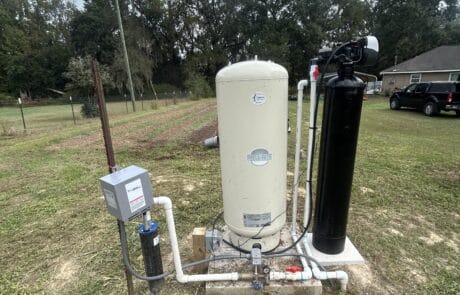
Where a well carries iron, sulfur or microbes, injecting chlorine is a long-established approach; the chlorine oxidizes iron and sulfide into forms that can be filtered out. A backwashing filter often follows, clearing the particles the reaction produces; a wrong dose helps nobody.
Where the Equipment Sits – Matching Scope to Need
Equipment where the supply enters the building protects all the plumbing downstream; scale, iron and chlorine are the usual reasons to go this route. Many households combine both: a main-line device for scale and a sink model for taste; the provider can sketch where each unit would go.
Flow Rate and Capacity: Gallons per Minute and Grains
Ratings printed on the label describe the equipment, and the installer matches them to the building, along with the hardness or iron level on the lab report. An undersized system forces flow past the media too fast, which weakens the result, and an installer should explain why a particular size was chosen.
Practical Requirements: Bypass Valves, Drains and Outlets
Valves around the equipment allow it to be taken out of service in minutes; the walk-through before work matters. Codes affect drain connections, backflow protection and the placement of equipment, and clear labels on valves help the next person.
Supply Source Matters: Planning Around the Source
Raw well supply brings the chemistry of the ground straight to the plumbing; sediment and iron tend to be the early concerns. Equipment picked from a neighbor's experience may not suit a different source; mention the source on the first call.
Storms and Power Interruptions: Controllers, Pumps and Flooding
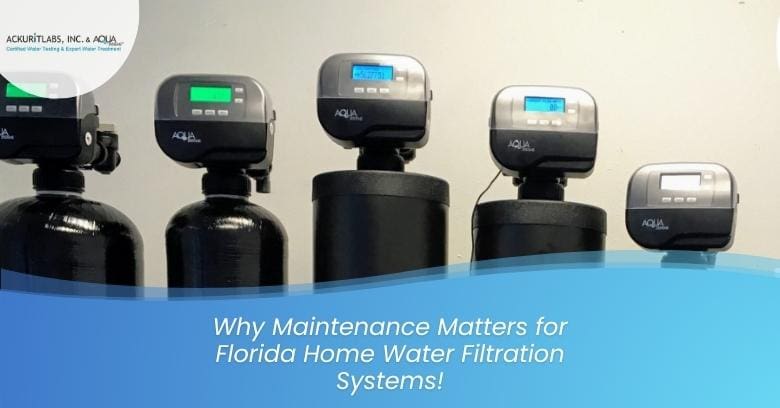
Electronic valves keep time with the power, so a clock that resets can trigger recharges at odd hours; checking the time and the settings after power returns takes a minute. If floodwater covered the wellhead, the supply itself needs a fresh lab sample; keep manuals and settings notes together.
Where Everything Goes – Reaching the Controls
Noise from a unit tends to come from the drain line and the valve rather than the tanks; a garage, a utility closet or a pump house is the usual home. Leaving room to open lids, change cartridges and read gauges makes upkeep a quick job, and the installer can suggest a layout.
An Older System in the Garage: Test Before Deciding
Older units may still work but have worn parts, such as seals, valves, resin or membranes; a fresh lab panel shows whether the present system is still doing its job. The simplest upgrade is often a fresh set of cartridges or media, not a new system, and the installer should explain what is being kept.
Commercial Systems – Coordinating With Maintenance
Business equipment is sized for higher flows and often arranged in pairs so one tank can work while the other recharges; a duplex arrangement keeps soft supply flowing through each recharge. A property manager benefits from a maintenance plan that lists tasks, intervals and who does them, and it supports any later troubleshooting.
Routine Care – Small Tasks That Protect Big Parts
Filters eventually clog, and carbon eventually saturates, so each has a replacement interval; keep the paperwork in one place. Bad smells from a filter housing mean it has gone too long, and a service call beats a failed system.
Confirming the Result: Tracking Performance
A sample collected after the system is running shows whether the problem was solved, and the lab can run the identical methods again. A result that falls short is information, and it points to what to add or change; a short note on the equipment installed completes the record.
Expectations Worth Setting: No Single Device Fixes Everything
Each technology removes some things and leaves others, so a layered setup is common; ask how that is demonstrated. A provider unwilling to discuss limits is one to think twice about; nothing here replaces advice for your property.
Before You Sign: Points Worth Raising
- Is the recommended size tied to the lab figures and the household's flow, and the proposal should say so on paper.
- Who installs the equipment, and who services it after the job is done; clear scope prevents surprises.
- How will you know the equipment is working a few months from now; follow-up is as important as the install.
Talking It Through – Share Your Lab Report
Dial Ackuritlabs And Aqua Systems at 850-616-2634 to find out how a system would be planned and sized.
Pulling the Threads: Test, Choose, Install, Confirm
A dependable setup follows a sequence: measure the supply, pick equipment to suit, install it carefully and test again, and for Chlorination System Installation in Gadsden County Florida the first step is a conversation about the supply and the symptoms. Questions are welcome at 850-616-2634, where Ackuritlabs And Aqua Systems can lay out the options; the details you share shape the advice.
Verified

Verified
Verified