Weighing Options for Carbon Cartridge Filter Installation for a Property in Ochlockonee Bay Florida?
Each piece of hardware on the market answers a particular complaint, and none answers all of them, and the sections below cover sizing, setup and upkeep.
Dial Ackuritlabs And Aqua Systems at 850-616-2634 to ask which questions come before any equipment.
The Order of Operations: Why Skipping It Backfires
Three households with the same complaint can need three different systems, because the underlying chemistry differs, which keeps the proposal tied to evidence. Where no result exists yet, a provider can often suggest what to measure, and a short delay beats replacing the wrong unit.
Resin Tanks: How the Resin Works
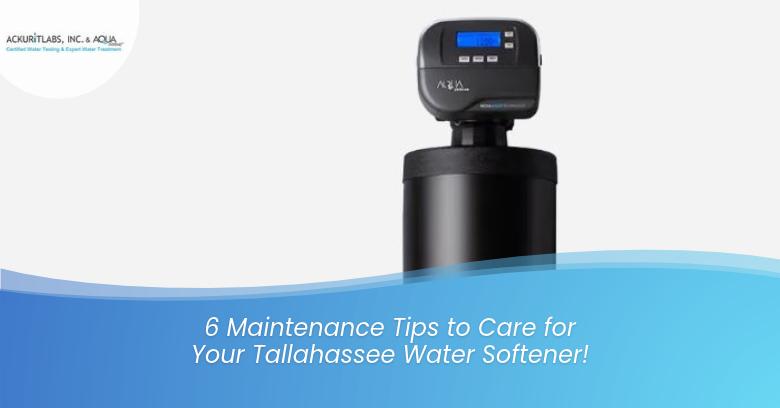
The core of a standard softener is a resin bed that exchanges hardness minerals for a softer ion, and the stored brine is topped up with salt as needed. Laundry and dishes tend to come out cleaner where the minerals have been removed; other equipment handles those jobs.
Scale Control Without Salt – Changing How Scale Forms
A salt-free unit does not remove calcium or magnesium; it alters how those minerals behave, though results vary with the water and the model. Expect scale to be reduced rather than eliminated, and expect no change in how soap lathers, and it helps compare options fairly.
Taste and Odor Control: Why Cartridges Run Out
Filters based on carbon are the usual choice for chlorine taste and many household odors, and ordinary carbon handles free chlorine more easily than chloramine. Capacity depends on how much is in the supply and how much a household uses, and the provider can estimate a schedule.
Housings and Replaceable Elements: Sizes, Ratings and Swaps
Particle filters are the first stage in many systems, catching whatever would clog the rest; the rating, given in microns, states how small a particle the element is built to catch. Putting stages in the wrong order shortens the life of the costlier cartridge; keep a spare cartridge on a shelf.
Membrane Systems: Fair Expectations
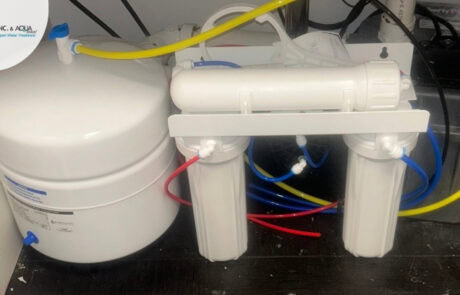
A membrane passes the liquid and rejects a large share of dissolved salts and other solids, while larger units serve whole buildings. Reverse osmosis units reduce many dissolved substances, though performance varies by model and by supply; the provider can explain what to expect for your supply.
Injectors and Contact Tanks: What the Installer Sets Up
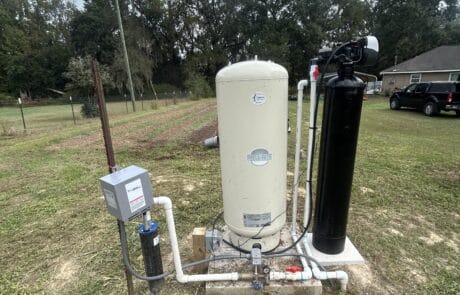
A chlorine injector meters a small amount of disinfectant into the line ahead of a holding tank; the tank is sized to the flow of the well. Where the supply is meant for drinking, the leftover chlorine is filtered off; a wrong dose helps nobody.
Where the Equipment Sits: What Each Layout Covers
A unit at the main line treats every tap, the shower, the washer and the water heater; larger tanks and brine cabinets take real room. Many households combine both: a main-line device for scale and a sink model for taste, and the two approaches work well together.
Sizing: Room to Grow
The size of the housing and the volume of media set how much a system can handle; high readings use up capacity faster. When a unit is too small, pressure falls at fixtures during busy mornings, and an installer should explain why a particular size was chosen.
Space and Connections: Tying Into Existing Lines
Shutoffs on both sides of a unit make servicing simple; chlorine feed pumps and contact tanks add their own requirements. Codes affect drain connections, backflow protection and the placement of equipment, and clear labels on valves help the next person.
What Changes by Source: Planning Around the Source
A well has no utility between it and the tap, so equipment often handles more of the load; sediment and iron tend to be the early concerns. Equipment picked from a neighbor's experience may not suit a different source; neighbors on the same aquifer can still differ.
After an Outage: What to Check Afterward
Softeners and filters with electronic controllers can lose their settings in a long outage unless a backup battery holds them, and the manual shows how to reset the controller. Anything touched by flooding, including a well pump and chemical feed gear, deserves a professional look; keep manuals and settings notes together.
Day-to-Day Presence: Keeping the Area Tidy
Most residential units are quiet, and the sounds they make are short bursts when a valve cycles or a recharge runs, and a level pad keeps tanks from shifting. Sunlight can damage clear housings and warm the supply, so shade is sensible outdoors; measure doors and hallways as well.
An Older System in the Garage: Planning a Sensible Sequence
Older units may still work but have worn parts, such as seals, valves, resin or membranes, and the provider can often read the date code. The simplest upgrade is often a fresh set of cartridges or media, not a new system; nothing is replaced without a reason.
Equipment for Operations – Coordinating With Maintenance
Commercial installations are usually specified on paper, with flow rates and targets spelled out, and a controller can log regeneration cycles. A property manager benefits from a maintenance plan that lists tasks, intervals and who does them, and the provider can supply those if asked.
Service Schedule: Salt, Cartridges and Media
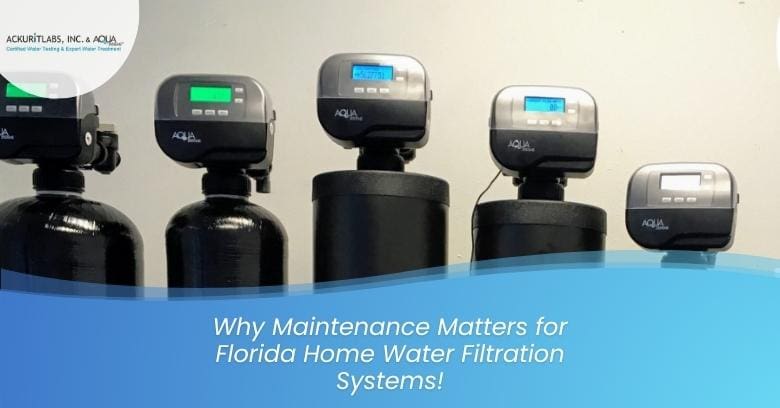
Soft supply depends on a brine tank that is kept stocked; a simple calendar reminder prevents most lapses. Bad smells from a filter housing mean it has gone too long; do not wait for a complete failure.
Proof After Installation: Before and After Side by Side
Nothing beats a repeat panel for showing whether the readings moved; a retest a few months in shows whether the system is holding. Treatment can reduce certain items without eliminating them, and the report shows by how much; the file is useful for a future sale.
Expectations Worth Setting – Matching Promises to Physics
Equipment performs within limits set by its design, the supply and the upkeep; ask for the specific substances a product addresses. Honest answers sound specific, and vague answers sound like a sales line; weigh each source on how specific it is.
Questions for a Provider – Everything in Writing
- Which lab results is the proposal based on, and which items does it address, and what stays the same afterward.
- Which local rules apply to this installation, and who handles them; get the details itemized.
- What signs should prompt a call before the next scheduled check, and what does it say about future servicing.
Talking It Through: Describe the Problem First
Dial Ackuritlabs And Aqua Systems at 850-616-2634 and ask what to collect before any equipment is chosen.
Pulling the Threads: Test, Choose, Install, Confirm
Matching a device to a lab result, sizing it to the building and keeping up with upkeep is the whole recipe, because each property in Ochlockonee Bay Florida has its own story, whatever any page says about Carbon Cartridge Filter Installation. To get started, reach Ackuritlabs And Aqua Systems at 850-616-2634; mention whether the supply is a well or a utility line.
Verified

Verified
Verified