Looking for Water Filtration System for a Property in Newport Florida?
Good installations start from a lab result and work toward a device that suits it, and the sections below cover sizing, setup and upkeep.
Speak with Ackuritlabs And Aqua Systems at 850-616-2634 and say whether the supply is a well or a city line.
Where Treatment Begins: Why Skipping It Backfires
Three households with the same complaint can need three different systems, because the underlying chemistry differs; having a report on hand speeds everything up. Anyone without a recent report can usually be pointed to a suitable panel first, and the choice of equipment follows once the numbers arrive.
Taking Out Hardness: How the Resin Works
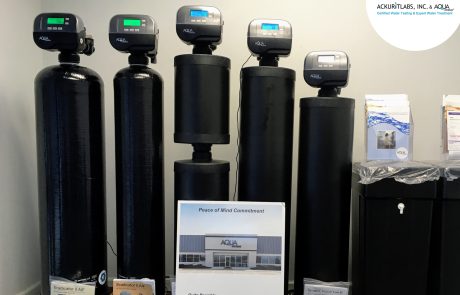
The core of a standard softener is a resin bed that exchanges hardness minerals for a softer ion; a control valve decides when to regenerate by clock or by usage. Laundry and dishes tend to come out cleaner where the minerals have been removed; the lab result still decides what else belongs in the plan.
Salt-Free Conditioners: What They Do and Do Not Do
Nothing is exchanged, so the lab number for hardness reads the same before and after, and maintenance is limited to replacing the media on a schedule. Because the minerals remain, soap and shampoo behave as they would on hard supply; ask what the device will not do.
Activated Carbon: Why Cartridges Run Out
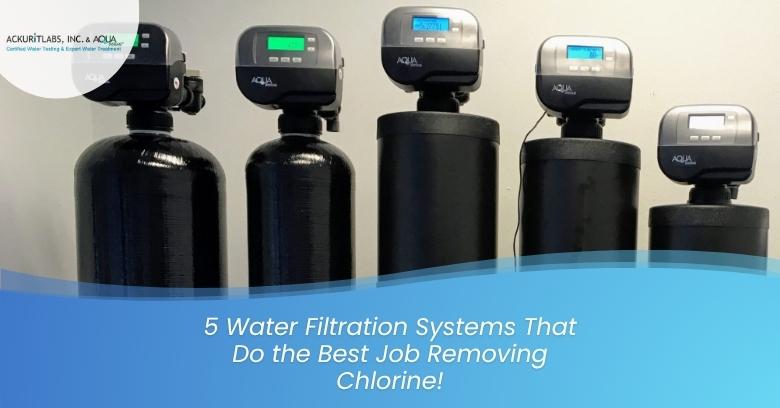
Carbon holds onto certain compounds as supply passes through, which cuts chlorine taste and some odors, and ordinary carbon handles free chlorine more easily than chloramine. Capacity depends on how much is in the supply and how much a household uses, and the provider can estimate a schedule.
Canisters on the Line: Sizes, Ratings and Swaps
Grit and flakes get stopped by a pleated or wound element sitting in a clear or opaque canister, and the sequence is part of the design. A carbon cartridge installed in the same housing style handles taste while the sediment unit handles grit; replacements are sold by size, so note the model.
High-Pressure Polishing: Fair Expectations
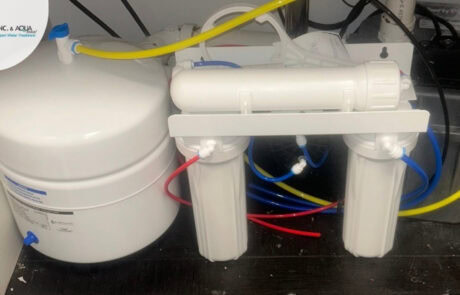
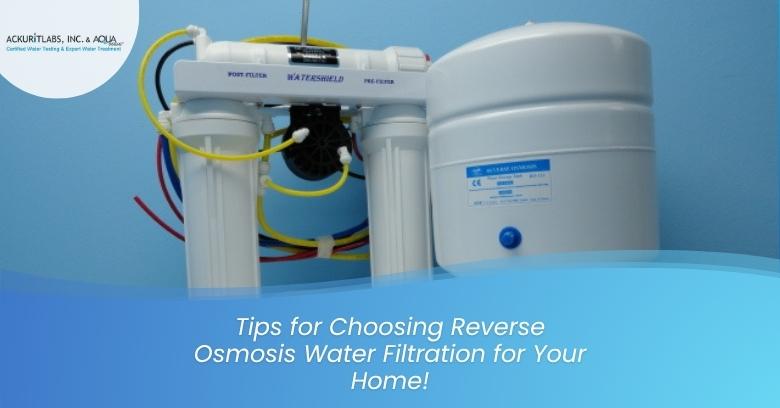
The membrane is the center of the system, flanked by pre-filters and a final carbon stage; the rejected stream runs to a drain, so a connection to the sink drain is part of the installation. Some units add minerals back after the membrane to adjust taste; the provider can explain what to expect for your supply.
Feeding Chlorine Into the Line: a Metering Pump and a Retention Tank
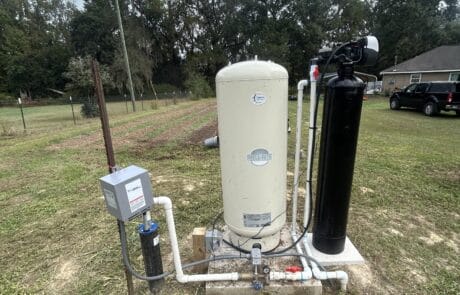
The setup pairs a feed pump with a retention tank so the chlorine has time to work; the chlorine oxidizes iron and sulfide into forms that can be filtered out. A backwashing filter often follows, clearing the particles the reaction produces, and the setup should be checked after the first weeks.
Scope of a System: Choosing the Footprint
Point-of-entry installations deal with problems that affect the entire plumbing system; a garage or utility closet often becomes the home. Many households combine both: a main-line device for scale and a sink model for taste; a layout on paper avoids surprises.
Sizing: What Undersizing Looks Like
Ratings printed on the label describe the equipment, and the installer matches them to the building, along with the hardness or iron level on the lab report. Equipment that is too small works harder and wears out sooner; ask to see the numbers behind the recommendation.
What the Job Requires – Codes and Neighbors
Valves around the equipment allow it to be taken out of service in minutes, and electrical needs vary from a plug-in transformer to a dedicated circuit. Local plumbing and electrical rules may apply, and the installer is the one to know them; leave room to open the tank lid and swap a cartridge.
Private Source or Public Main: Chlorine Added or Not
City lines usually deliver a steady, disinfected supply, so the complaints tend to be taste and scale, and equipment has to work with the pump's pressure and flow. A quick description of the plumbing path is enough to start the right conversation; neighbors on the same aquifer can still differ.
Storms and Power Interruptions: Planning Before the Season
Pumps, injectors and controllers all depend on electricity, and an outage pauses every one of them; a quick look at the salt level and the drain line completes the check. A flooded system should be shut off and checked before use, since damage is not always visible; write down the shutoff locations.
Day-to-Day Presence: Tanks, Hums and Cabinets
Noise from a unit tends to come from the drain line and the valve rather than the tanks, and the location is chosen to keep lines short and service easy. A tidy installation labels valves, supports the plumbing and keeps the area dry; a tank that cannot get through a doorway is a common surprise.
Working With Existing Equipment: Planning a Sensible Sequence
A house may come with equipment that nobody remembers installing, so a look at the labels is the first step, which helps weigh a repair against a new unit. The simplest upgrade is often a fresh set of cartridges or media, not a new system; nothing is replaced without a reason.
When a Property Has Many Users: Boilers, Ice Machines and Kitchens
Restaurants, offices and apartment buildings draw far more than a house, and the gear is scaled to match; the existing mechanical room often decides what fits. Staff who run the building need to know where the valves are and what each one does, and it supports any later troubleshooting.
Keeping Equipment in Shape – Setting Reminders
Resin beads age slowly, and cartridges and pre-filters age quickly; a label on each housing with the install date helps. Noisy valves, salt bridges in the tank and slow flow are signs worth a look; the provider can inspect and adjust.
Closing the Loop – Filing the Evidence
Comparing a new lab report against the original is how a household confirms the hardware did its job; collecting at the same tap, in the same way, keeps the comparison fair. A result that falls short is information, and it points to what to add or change; dates on everything keep the record clear.
What Equipment Cannot Do – Read the Fine Print
A softener will not make a supply taste different, and a carbon filter will not soften it; ask for the specific substances a product addresses. A fair provider will tell you when equipment is not the fix, or not the whole fix; nothing here replaces advice for your property.
What to Ask at the Door – Written Answers Preferred
- Which readings on the report are meant to change, and which are not expected to; ask for the reasoning in writing.
- How is the unit set up at the start, and what will you be shown before the crew leaves; clear scope prevents surprises.
- Where should the paperwork for the system be stored; ask about it before work starts.
Getting Advice – Share Your Lab Report
Dial Ackuritlabs And Aqua Systems at 850-616-2634 to ask what a sensible first step would be for your supply.
The Short Version – Upkeep Keeps It Working
Matching a device to a lab result, sizing it to the building and keeping up with upkeep is the whole recipe; whatever has brought you to read about Water Filtration System near Newport Florida, a short call sorts out where to begin. Call 850-616-2634 to reach Ackuritlabs And Aqua Systems and talk over your situation, and share what the lab report shows.
Verified

Verified
Verified
Verified
Verified