Shopping for Water Filter Installation for a Property in Gadsden County Florida?
Good installations start from a lab result and work toward a device that suits it; read on for how the pieces fit together.
Speak with Ackuritlabs And Aqua Systems at 850-616-2634 and say whether the supply is a well or a city line.
The Order of Operations: Why Skipping It Backfires
Three households with the same complaint can need three different systems, because the underlying chemistry differs; having a report on hand speeds everything up. If the history of the supply is unknown, a baseline panel is the sensible opener; patience at this stage tends to save money later.
Resin Tanks: a Bed of Beads and a Brine Tank
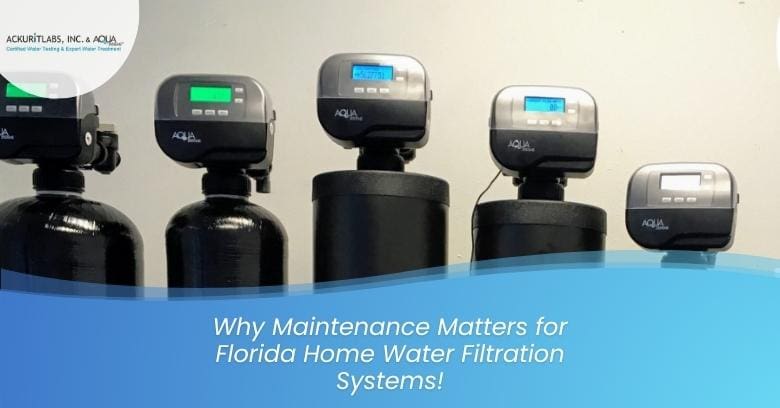
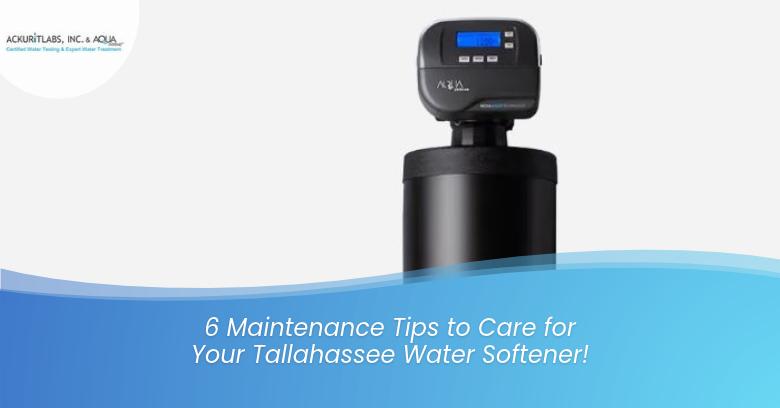
The beads in a softener hold hardness minerals until they are rinsed clean; a control valve decides when to regenerate by clock or by usage. Scale buildup on heaters, kettles and shower heads slows down where hardness has been removed; it is not meant to filter out bacteria or chemicals.
Template-Assisted Units: an Honest Comparison
These devices work on how scale sticks, and they do not strip the minerals out, which suits some households and some local rules. The results are described best as less crust, not no crust, and a good provider explains that before the purchase.
Taste and Odor Control: Why Cartridges Run Out
Porous carbon traps many organic molecules and chlorine on its surfaces as flow moves across them; it helps to know what the utility adds. Capacity depends on how much is in the supply and how much a household uses, and the maker's change interval is a guide, not a promise.
Housings and Replaceable Elements – Why Order Matters
Sediment cartridges screen out sand, rust flakes and silt before they reach appliances; a series of coarse then fine elements spreads the load. Carbon cartridges, including carbon block types, often sit downstream of the sediment stage, and a pressure gauge on each side of the housing makes that visible.
Reverse Osmosis – Dissolved Solids Reduced
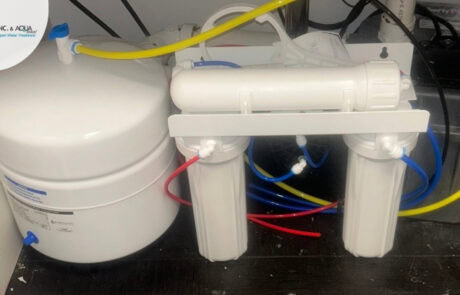
The membrane is the center of the system, flanked by pre-filters and a final carbon stage, while larger units serve whole buildings. Reverse osmosis units reduce many dissolved substances, though performance varies by model and by supply; a leak sensor is a sensible add-on.
Injectors and Contact Tanks: What the Installer Sets Up
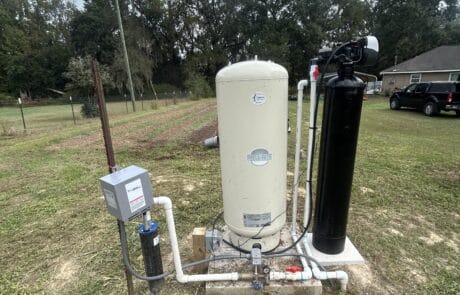
Where a well carries iron, sulfur or microbes, injecting chlorine is a long-established approach; the chlorine oxidizes iron and sulfide into forms that can be filtered out. Where the supply is meant for drinking, the leftover chlorine is filtered off, and the setup should be checked after the first weeks.
Scope of a System: Planning the Pipe Run
Whole-house layouts put one set of equipment ahead of every fixture; larger tanks and brine cabinets take real room. Many households combine both: a main-line device for scale and a sink model for taste, and the two approaches work well together.
Sizing – People, Fixtures and Usage
Equipment is rated by how fast supply can pass through it and by how much it can treat before servicing; a unit that is too small shortens the time between regenerations. An undersized system forces flow past the media too fast, which weakens the result; ask to see the numbers behind the recommendation.
Plumbing, Power and Drain Needs – Codes and Neighbors
Valves around the equipment allow it to be taken out of service in minutes; a drain line, an air gap and a nearby outlet come with a softener. Whoever does the installation should be able to say what the local rules ask for, and access for servicing should be planned from the start.
Supply Source Matters: Chlorine Added or Not
Raw well supply brings the chemistry of the ground straight to the plumbing, whereas chlorine and chloramine lead the list on a city line. Equipment picked from a neighbor's experience may not suit a different source; mention the source on the first call.
After an Outage – Protecting Gear From Surge and Silt
A unit left without power may skip a scheduled recharge, which leaves the media tired when flow resumes; checking the time and the settings after power returns takes a minute. If floodwater covered the wellhead, the supply itself needs a fresh lab sample; write down the shutoff locations.
Living With the Equipment: Garages, Closets and Mechanical Rooms
Most residential units are quiet, and the sounds they make are short bursts when a valve cycles or a recharge runs; clear floor space around a tank makes salt loading simple. Some owners build a small enclosure, though it must not block air or access, and the provider should ask about access.
Replacement and Add-Ons – Reading Old Labels
Inherited hardware is worth examining before anything new is added; a fresh lab panel shows whether the present system is still doing its job. Adding a stage to an existing setup requires attention to order, flow rate and pressure drop, and old manuals are worth saving.
Equipment for Operations: Boilers, Ice Machines and Kitchens
Restaurants, offices and apartment buildings draw far more than a house, and the gear is scaled to match; the existing mechanical room often decides what fits. Staff who run the building need to know where the valves are and what each one does, because early warning beats a repair.
Upkeep – Small Tasks That Protect Big Parts
Treatment is not a one-time purchase, since something wears out or runs low on every system; adjust to what the supply actually does. Bad smells from a filter housing mean it has gone too long, and a service call beats a failed system.
The Second Sample – Numbers, Not Impressions
Comparing a new lab report against the original is how a household confirms the hardware did its job; a retest a few months in shows whether the system is holding. Expect a number lower than before, not necessarily a number of zero; dates on everything keep the record clear.
What Equipment Cannot Do: Questions for Any Seller
Each technology removes some things and leaves others, so a layered setup is common; ask for the specific substances a product addresses. A fair provider will tell you when equipment is not the fix, or not the whole fix; clear explanations are the best sign.
Before You Sign: Points Worth Raising
- Does the plan name the substances it targets, rather than speaking in general terms; vague answers deserve a follow-up.
- Where will the drain, the power and the bypass go, and what will be cut or moved; ask for a copy of the manuals too.
- What does a retest look like, and when is it scheduled; follow-up is as important as the install.
Start the Conversation: Questions Are the Starting Point
Contact Ackuritlabs And Aqua Systems at 850-616-2634 to go over the lab report and the symptoms at your tap.
Pulling the Threads – Upkeep Keeps It Working
A dependable setup follows a sequence: measure the supply, pick equipment to suit, install it carefully and test again, and for Water Filter Installation in Gadsden County Florida the first step is a conversation about the supply and the symptoms. To get started, reach Ackuritlabs And Aqua Systems at 850-616-2634; the details you share shape the advice.
Verified

Verified
Verified