Weighing Options for Commercial Water Treatment Company in Newport Florida?
Equipment gets chosen to fix a measured problem, and the fix is only as good as the diagnosis behind it; the sections below describe what each option does and where it stops.
Speak with Ackuritlabs And Aqua Systems at 850-616-2634 to ask how an installation is planned.
The Order of Operations: a Lab Number Beats a Guess
Orange stains, chalky scale and a swampy smell can each have a separate cause, and each calls for different gear; having a report on hand speeds everything up. A first conversation commonly ends with advice on what to sample before the next step; skipping ahead is where most mismatches begin.
Resin Tanks: Regeneration in Plain Terms
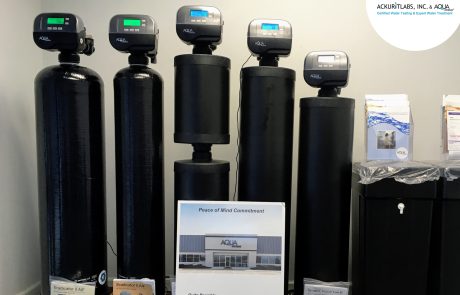
The beads in a softener hold hardness minerals until they are rinsed clean; a control valve decides when to regenerate by clock or by usage. Softened supply leaves less scale on fixtures, glass and heating elements, and it will not change the taste of the supply on its own.
Salt-Free Conditioners: What They Do and Do Not Do
Nothing is exchanged, so the lab number for hardness reads the same before and after; they need no electricity in many designs. Expect scale to be reduced rather than eliminated, and expect no change in how soap lathers; asking for a plain description of the outcome avoids disappointment.
Activated Carbon: Chlorine, Odors and Organic Traces
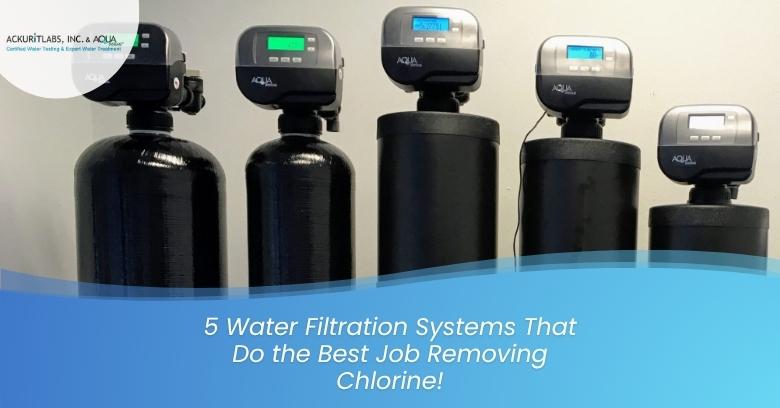
Filters based on carbon are the usual choice for chlorine taste and many household odors; each type of carbon targets specific compounds, so the media is picked to suit the finding. A saturated filter can release what it captured, which is why change schedules matter, and the maker's change interval is a guide, not a promise.
Housings and Replaceable Elements: Reading the Micron Number
Particle filters are the first stage in many systems, catching whatever would clog the rest; a series of coarse then fine elements spreads the load. Pressure falls as an element loads up, which is the practical signal to swap it; a wrench for the housing is a worthwhile purchase.
The Under-Sink Purifier – Storage Tank, Faucet and Drain
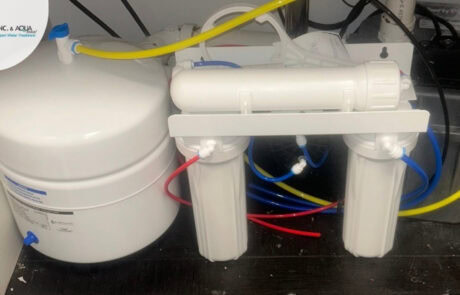
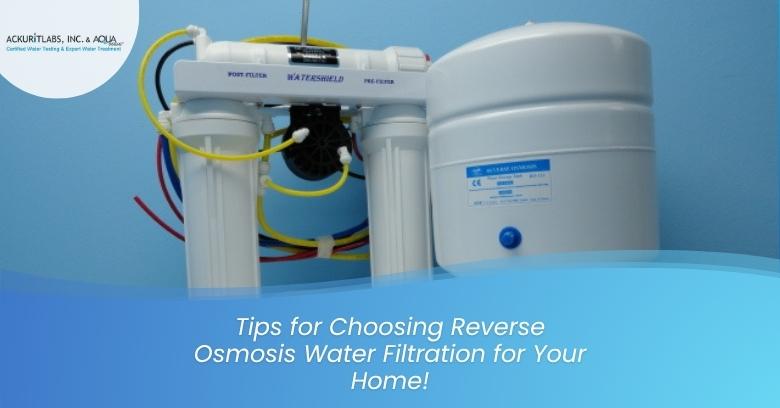
Pressure pushes the supply against a semipermeable membrane, and most dissolved material is held back; the rejected stream runs to a drain, so a connection to the sink drain is part of the installation. A lab test before and after is the reliable way to know what a particular system achieves; ask for the maintenance schedule in writing.
Oxidation Systems: What the Installer Sets Up
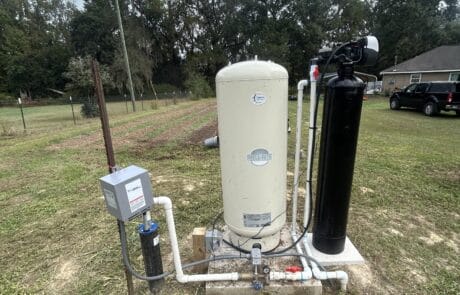
The setup pairs a feed pump with a retention tank so the chlorine has time to work; the chlorine oxidizes iron and sulfide into forms that can be filtered out. Residual chlorine has to be removed afterward, and a carbon filter normally takes that job, and chemical equipment is installed and set up with care.
Whole-House or Single-Tap – One Tap, One Sink, One Appliance
Point-of-entry installations deal with problems that affect the entire plumbing system; a garage or utility closet often becomes the home. Smaller units at one sink target what people drink, leaving the rest of the plumbing alone, and the two approaches work well together.
Choosing a Capacity – People, Fixtures and Usage
The size of the housing and the volume of media set how much a system can handle; a unit that is too small shortens the time between regenerations. A well-matched system suits the building rather than the biggest model on offer; a reasoned answer is a good sign.
Installation Details – Planning for Service Access
Shutoffs on both sides of a unit make servicing simple; a drain line, an air gap and a nearby outlet come with a softener. Whoever does the installation should be able to say what the local rules ask for, and access for servicing should be planned from the start.
Two Starting Points: Chlorine Added or Not
City lines usually deliver a steady, disinfected supply, so the complaints tend to be taste and scale, and equipment has to work with the pump's pressure and flow. A quick description of the plumbing path is enough to start the right conversation, and a lab report removes most of the guesswork.
After an Outage: Controllers, Pumps and Flooding
A unit left without power may skip a scheduled recharge, which leaves the media tired when flow resumes, and a surge protector on the outlet is sensible protection for the electronics. Anything touched by flooding, including a well pump and chemical feed gear, deserves a professional look; ask the installer what to do before a storm.
Day-to-Day Presence: Tanks, Hums and Cabinets
Compressors and pumps are the noisiest parts of larger systems, and they normally sit in a mechanical space, which is worth thinking through before delivery. Sunlight can damage clear housings and warm the supply, so shade is sensible outdoors; a sketch of the space helps the planning.
Working With Existing Equipment – Keep, Repair or Replace
Many properties already have a tank, a filter housing or an under-sink unit, and the question is whether it still suits the supply, and the provider can often read the date code. A sediment screen or a carbon stage can often be added without replacing everything; nothing is replaced without a reason.
Equipment for Operations: Written Specifications
Larger buildings may need several tanks and manifolds, not one household unit; the existing mechanical room often decides what fits. A property manager benefits from a maintenance plan that lists tasks, intervals and who does them; ask what monitoring the equipment offers.
Service Schedule: Salt, Cartridges and Media
Treatment is not a one-time purchase, since something wears out or runs low on every system; the manual lists intervals, though a heavy load shortens them. Noisy valves, salt bridges in the tank and slow flow are signs worth a look; an annual look at the controls is sensible.
Proof After Installation: Tracking Performance
Measurements taken after setup show the change in black and white; collecting at the same tap, in the same way, keeps the comparison fair. Some substances respond well and others hardly at all, which the new figures reveal, and keeping both reports together tells the story.
Honest Limits – Read the Fine Print
No single device removes every substance, and a pitch that one box covers everything deserves doubt; compare the data sheet with your lab report. A provider unwilling to discuss limits is one to think twice about; clear explanations are the best sign.
What to Ask at the Door – Written Answers Preferred
- What does the proposal assume about hardness, iron and chlorine, and where did those figures come from; a specific answer is what you want.
- Which local rules apply to this installation, and who handles them; clear scope prevents surprises.
- Where should the paperwork for the system be stored; write the answers down.
Talking It Through: Questions Are the Starting Point
Dial Ackuritlabs And Aqua Systems at 850-616-2634 and ask what to collect before any equipment is chosen.
In Plain Terms: Next Steps
A dependable setup follows a sequence: measure the supply, pick equipment to suit, install it carefully and test again, and for Commercial Water Treatment Company in Newport Florida the first step is a conversation about the supply and the symptoms. The number to call is 850-616-2634, and the conversation is the first step, and share what the lab report shows.
Verified

Verified
Verified
Verified
Verified