Most homeowners think about water treatment exactly twice: the day the system is installed, and the day something smells wrong. In between, the equipment quietly does its job until a cartridge clogs, a softener bridges over with salt, or a UV lamp keeps glowing long after it has stopped killing anything. In the Big Bend area of Florida, where city supply comes from a limestone aquifer and thousands of rural households pull from private wells, that gap between installation and attention is where water quality problems grow. Good water filtration isn’t a one-time purchase; it’s household mechanical equipment that needs service intervals, like an HVAC unit.
The maintenance picture in Tallahassee, Florida, also differs from five miles down the road. Municipal customers deal with naturally hard, mineral-rich water that has been disinfected with chlorine, so carbon capacity and resin protection drive the schedule. Well owners deal with iron, hydrogen sulfide, tannins, and bacteria risk, so injection pumps, sediment stages, and annual testing top the list. The same water filtration equipment, serving two very different sources, needs two very different care routines.
This article walks homeowners through how to read their water first, then build a realistic maintenance calendar, name the failure modes that quietly ruin equipment, and cover the seasonal realities of hurricane outages, summer rain, and January freezes that affect every water filtration system in the Tallahassee and Crawfordville, Florida, area.
Start by Knowing What Your System Is Actually Removing
A maintenance plan built on the box instructions is a guess. A plan built on a water test is a schedule, and it is the only way to size water filtration correctly.
City Water in Tallahassee and Leon County
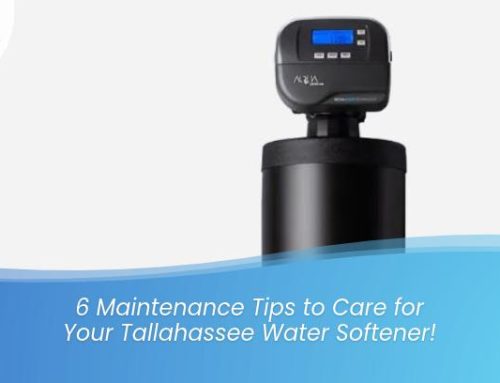
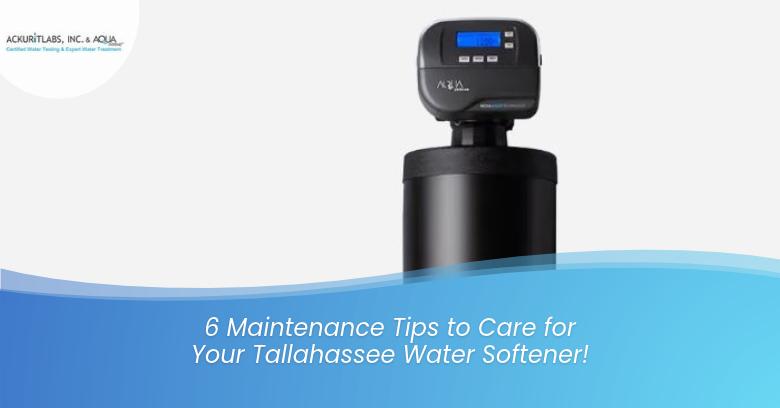
Municipal supply in Tallahassee, Florida, is drawn from Floridan Aquifer wells. Limestone geology means the water is naturally hard, carrying dissolved calcium and magnesium, and the utility disinfects it before it reaches the tap. Hardness causes scale on fixtures, glassware, and water heater elements, and it determines how often a softener regenerates and how much salt it uses. The disinfectant residual also slowly degrades softener resin, which is why a carbon stage ahead of the softener is not an upgrade - it is protection.
Private Wells Around Crawfordville and the Rural Big Bend
Outside the city limits, the profile changes completely. Households in Crawfordville, Florida, Fort Braden, Havana, Gretna, Greensboro, and around Lake Talquin largely rely on private wells, and those wells bring their own signatures of iron staining; the rotten-egg smell of hydrogen sulfide, tea-colored tannins from shallow, swamp-influenced wells, and coliform bacteria risk after heavy rain. Gadsden County's clay and iron country announces itself with red staining on fixtures and laundry.
Private wells are not regulated for ongoing quality. No one tests them, but the owner and state health guidance generally recommend at least annual coliform and nitrate testing. A water filtration setup that was correctly sized for a well five years ago can be badly matched to the same well today.
Build a Maintenance Calendar Around Pressure, Not the Package
The single most useful habit is watching pressure drop across the filter housings rather than counting months. Typical household pressure runs 40 to 60 psi. When the difference between inlet and outlet gauges exceeds roughly 10 to 15 psi, the cartridge is used up, whether that happens at four months or ten.
With that principle in place, a working schedule for most equipment looks like this:
- Monthly: Check the brine tank salt level, look for crusting or a hard shell on top, and check the pressure gauges. Keep salt above the water line, but don't pack the tank to the lid.
- Every 3 to 6 months: Replace sediment prefilters. Spring pollen and heavy summer irrigation demand shorten that life considerably.
- Every 6 to 12 months: Replace carbon blocks, or sooner if the chlorine taste returns. Carbon is often rated around 10,000 to 20,000 gallons.
- Annually: Change reverse osmosis prefilters and postfilters, replace the UV lamp regardless of whether it still glows, wipe the quartz sleeve, and run a fresh water test.
- Every 2 to 5 years: Replace the RO membrane, depending on feed water quality and incoming pressure.
- Every 10 to 15 years: Expect softener resin replacement.
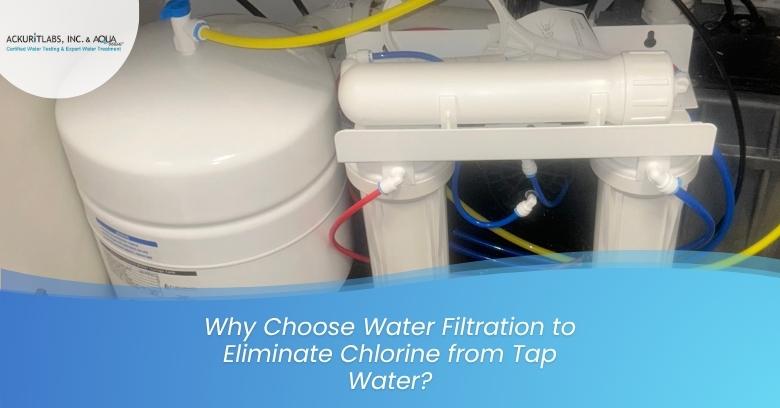
Reverse osmosis units need one extra check almost nobody performs: the storage tank air charge, which should sit around 5 to 8 psi with the tank empty. A tank that has lost its charge produces a trickle at the faucet and gets blamed on the membrane. A 50 GPD membrane also delivers far less at low household pressure, and RO water filtrations send several gallons to drain for every gallon produced, commonly a 3:1 to 4:1 ratio.
The Failure Modes Most Homeowners Never See
Equipment rarely dies dramatically. It degrades in ways that feel like normal aging until the water changes.
Salt Bridging, Mushing, and Iron Fouling
A salt bridge is a solid crust that forms over space inside the brine tank. The tank looks full, the softener regenerates with plain water, and hardness returns while the owner swears the system is loaded. Use a broom handle to break through the crust. If you find a wet, oatmeal-like sludge at the bottom of the tank, which is referred to as salt mushing, remove it and clean the tank thoroughly. A softener bed fouled with iron needs a regular resin cleaner cycle because iron coats the beads and blocks the ion exchange softening depends on.
Small Parts, Big Leaks
Re-lubricate housing O-rings with silicone grease at every cartridge change. A dry O-ring weeps, and a slow weep behind a garage water heater goes unnoticed for weeks. Equally common: a sediment prefilter left in far too long begins to channel, passing grit straight through to the softener resin it was supposed to protect. The cheapest cartridge in a water filtration system is the one that protects everything downstream.
UV Lamps That Look Fine and Are Not
A UV lamp still glowing at 14 months is no longer delivering a reliable kill dose. Output declines long before the lamp goes dark, which is why the replacement interval is twelve months on the calendar, not on appearance. At the same time, wipe the quartz sleeve at the same visit as a film of mineral haze blocks the light just as effectively as a weak lamp. Households in Tallahassee and Crawfordville, Florida, that rely on UV as their only disinfection step have no visual warning when this fails.
Chlorine Injection, Sulfur Odor, and Septic Questions
Well systems that use a chlorine injector pump to oxidize iron and hydrogen sulfide need their own attention. Check valves and injection points that scale over and need periodic descaling; the solution tank needs mixing and refilling, and the contact tank should be drained of accumulated sediment. When the rotten-egg smell returns months after installation, the cause is usually an injector that no longer injects, a retention tank that has lost contact time, or sulfur bacteria re-establishing in the well or water heater, not a defective water filtration setup.
Softener discharge raises a fair question in septic country. A regeneration cycle sends brine and hardness minerals to the drain, and in Wakulla and Leon County neighborhoods on septic systems, discharge volume matters. Demand-initiated regeneration where the control head meters actual water use instead of regenerating on a fixed day reduces both salt consumption and discharge.
Seasonal Realities in North Florida
Hurricane Season and Power Outages
From June 1 through November 30, the maintenance risk from hurricanes is electrical. UV lamps and chemical injection pumps stop when power stops, so any water produced during an outage is untreated and sits in the plumbing. After a storm or prolonged outage, flush the lines thoroughly and retest for bacteria if the system relies on disinfection. Boil-water notices following main breaks apply to filtered taps too and most point-of-use water filtration is not a substitute for disinfection.
Flooding, Turbidity, and Shock Chlorination
Heavy summer rain raises turbidity and bacteria counts in shallow or poorly cased wells, and it can overwhelm a water filtration stage sized for clear conditions. A wellhead that has been submerged should be shock chlorinated and then re-tested after the chlorine clears and the follow-up test is the one step people skip. Homeowners near Crawfordville, Florida, and the low ground around Lake Talquin see this pattern most often.
Winter Freezes
January and February cold snaps crack unprotected Big Blue housings and the plastic lines of garage-mounted RO units and well-house equipment. Insulate housings, heat-tape exposed lines, and close well-house vents before the first hard freeze. A split housing found on a Saturday is an expensive lesson a foam sleeve would have prevented, and it can take a whole water filtration train offline.
Testing: The Step That Makes Everything Else Accurate
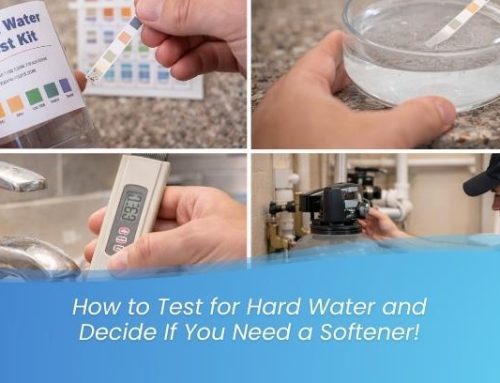
The system still works is a statement about flow, not about water quality. Equipment cannot tell you that nitrate has climbed, that a neighboring land use has changed, or that a cartridge stopped reducing a contaminant two months ago. Annual testing turns maintenance from guesswork into a schedule, and it is the only way to confirm that a water filtration system is doing what it was installed to do. Ackuritlabs, Inc. & Aqua Systems is a Florida-based, state-certified environmental laboratory, NELAP accredited and certified by the Florida Department of Health under number E81350, with chemists and microbiologists on staff and more than 30 years of technical leadership behind the work.
That pairing matters as the same team that identifies what is in the water also treats it, so recommendations are tied to results rather than to a product catalog. Residents of Tallahassee, Florida, and the surrounding counties can bring a sample to an Aqua Systems location for a free in-store hardness test for an immediate reading, and the monthly e-newsletter covers water-quality education and regional updates.
Wrapping Up
Proper maintenance is essential to keep a water filtration system running effectively for up to a decade, not breaking down after just two years. A simple routine can help you do this. Start by monitoring pressure drops instead of solely relying on a calendar. This proactive approach can indicate potential issues early. Also, make sure the salt is loose, and the brine tank is clean to keep water filtration optimal. Replace UV lamps on schedule, regardless of their appearance, since they are crucial for water quality. A carbon stage further protects the resin and extends the system's life.
After major events like storms, power outages, or flooding, retest the system to see that it remains effective. Homeowners unsure about their water quality should start with a current water test to lay the groundwork for future decisions. Acting before hurricane season or the first hard freeze is vital, as neglecting maintenance can lead to costly repairs that exceed the cost of preventive service visits. Regular maintenance and testing with an experienced local water testing company serving the Tallahassee and Crawfordville, Florida, areas helps ensure a reliable filtration system and high-quality water for years to come!
Key Takeaways
- Replace cartridges when the pressure drop across the housing exceeds roughly 10 to 15 psi, rather than relying on the interval printed on the box.
- Break up salt bridges in the brine tank and clean out mushy residue, because a tank that looks full can still be regenerating with plain water.
- Replace UV lamps every twelve months and wipe the quartz sleeve, since output falls below an effective dose while the lamp is still visibly glowing.
- Private well owners are responsible for their own testing, and annual coliform as well as nitrate checks plus post-flood retesting are the baseline.
- Insulate exposed housings and lines before the first hard freeze, and flush as well as retest after any extended power outage during storm season.
Frequently Asked Questions
Do I need a softener if I'm on city water?
Often, yes, because the municipal supply comes from a limestone aquifer and is naturally hard. Hardness causes scale on fixtures, glassware, and water heater elements, regardless of how well the utility treats the water for safety.
How often should I really change the filter?
Sediment cartridges typically last 3 to 6 months and carbon blocks 6 to 12 months, but pressure drop is the honest signal. Pollen season and heavy summer irrigation can cut those intervals substantially.
Why does my water smell like rotten eggs again?
The most common causes are a chlorine injector that has stopped dosing correctly, a scaled check valve, or sulfur bacteria regrowth. It usually indicates a service issue, not a failed design.
Can I use rock salt instead of pellets?
Rock salt is generally not recommended because its insoluble content settles in the brine tank, causing mushing and bridging. Clean pellets or solar salt keep the brine draw consistent.
Will a salt-free conditioner soften my water?
No - salt-free units condition scale so it is less likely to adhere, but they do not remove hardness minerals. Water tested after a conditioner still reads hard.
Can I shock chlorinate my own well after a storm?
Homeowners can shock chlorinate, but a follow-up bacteria test after the chlorine has cleared confirms it worked. Skipping that step leaves the result unknown.