Weighing Options for Water Treatment for a Property in Perry Florida?
Good installations start from a lab result and work toward a device that suits it; read on for how the pieces fit together.
Contact Ackuritlabs And Aqua Systems at 850-616-2634 to ask how an installation is planned.
Diagnosis First: Naming the Target
A smell, a stain or a taste is a symptom, and the symptom alone rarely identifies the cure; a sample sent to a laboratory turns a guess into a figure. Anyone without a recent report can usually be pointed to a suitable panel first; the equipment decision waits until the numbers are in.
Taking Out Hardness – Swapping Minerals for Sodium or Potassium
The core of a standard softener is a resin bed that exchanges hardness minerals for a softer ion, and a salt or potassium brine recharges the bed on a schedule. Less mineral reaching the pipes also means less deposit inside them, and it will not change the taste of the supply on its own.
Alternatives to the Brine Tank: an Honest Comparison
A salt-free unit does not remove calcium or magnesium; it alters how those minerals behave; they need no electricity in many designs. Anyone expecting the soft feel of a true softener should know the two are different things; ask what the device will not do.
Adsorption Media: Matching Carbon to the Target
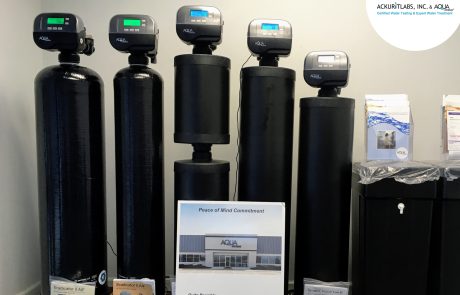
Carbon holds onto certain compounds as supply passes through, which cuts chlorine taste and some odors, and the lab or the utility report can say. Carbon has a limited capacity, and once it is spent, it stops doing its job; a pre-filter often extends the life of the carbon.
Housings and Replaceable Elements: Sizes, Ratings and Swaps
Grit and flakes get stopped by a pleated or wound element sitting in a clear or opaque canister, and the sequence is part of the design. A carbon cartridge installed in the same housing style handles taste while the sediment unit handles grit, and a pressure gauge on each side of the housing makes that visible.
Reverse Osmosis: Pressure, Membrane and Reject Stream
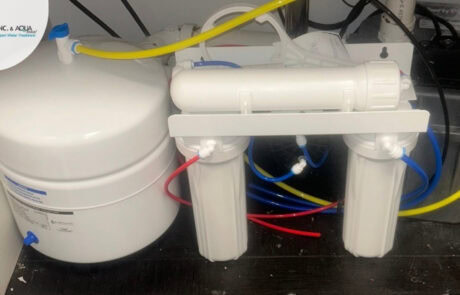
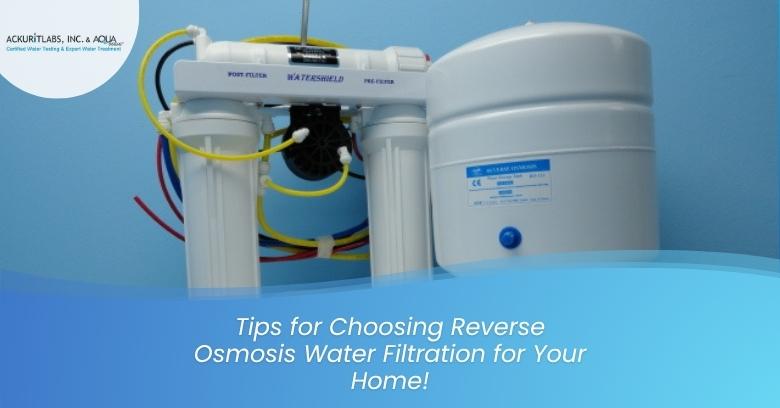
The membrane is the center of the system, flanked by pre-filters and a final carbon stage; compact units fit under a sink and serve a single tap. A lab test before and after is the reliable way to know what a particular system achieves; a leak sensor is a sensible add-on.
Injectors and Contact Tanks: What the Installer Sets Up
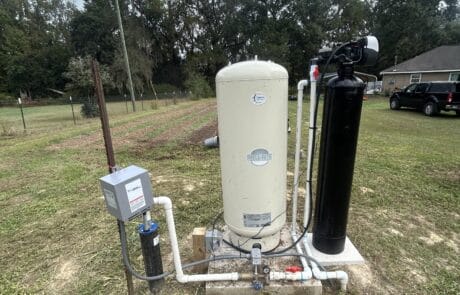
Where a well carries iron, sulfur or microbes, injecting chlorine is a long-established approach, and it also acts on bacteria in the supply. The final stage polishes taste and removes what remains of the disinfectant; chemicals are stored and handled according to the label.
Whole-House or Single-Tap – Matching Scope to Need
Whole-house layouts put one set of equipment ahead of every fixture; a garage or utility closet often becomes the home. Single-tap filters and membranes work where only drinking supply needs the extra step; ask for a simple diagram of the plan.
Choosing a Capacity – People, Fixtures and Usage
Treating the household's peak demand, not its average, keeps pressure from dropping; the number of bathrooms and people is part of the calculation. Oversizing has drawbacks too, since idle media can foul and extra tanks need space, and a vague one deserves a follow-up question.
Practical Requirements: Tying Into Existing Lines
Good installations include a way to route flow around the unit when needed; the walk-through before work matters. Checking with the local office is sensible before anything is cut or glued; leave room to open the tank lid and swap a cartridge.
Two Starting Points: Chlorine Added or Not
Raw well supply brings the chemistry of the ground straight to the plumbing, whereas chlorine and chloramine lead the list on a city line. A carbon unit that suits a city line may be useless against the main problem of a well; neighbors on the same aquifer can still differ.
Weather and the Equipment Room: Planning Before the Season
Pumps, injectors and controllers all depend on electricity, and an outage pauses every one of them, and a surge protector on the outlet is sensible protection for the electronics. Equipment that sat in floodwater needs inspection before it goes back into service, and the provider can describe what a post-storm check involves.
Day-to-Day Presence: Garages, Closets and Mechanical Rooms
Most residential units are quiet, and the sounds they make are short bursts when a valve cycles or a recharge runs; clear floor space around a tank makes salt loading simple. Some owners build a small enclosure, though it must not block air or access; a sketch of the space helps the planning.
Working With Existing Equipment – Keep, Repair or Replace
Equipment bought long ago was chosen for a supply that may have changed since, and the provider can often read the date code. New components usually have to fit the pipe sizes, the pressure and the drain already in place; photographs of the current setup speed up the first conversation.
Treatment at Business Scale: Written Specifications
Boilers, cooling equipment and ice makers can be sensitive to scale, which shapes the design, and a drawing of the proposed layout is a reasonable request. Written procedures and a labeled schematic make handovers between staff smoother, because early warning beats a repair.
Service Schedule – Setting Reminders
Every type of equipment has a consumable: salt for softeners, cartridges for filters, membranes for osmosis units; a label on each housing with the install date helps. Noisy valves, salt bridges in the tank and slow flow are signs worth a look; the provider can inspect and adjust.
Confirming the Result – Numbers, Not Impressions
Measurements taken after setup show the change in black and white, which matters for cartridges and media that wear. Treatment can reduce certain items without eliminating them, and the report shows by how much; store copies where they can be found.
Limits to Keep in Mind: Misuse and Misfit
Each technology removes some things and leaves others, so a layered setup is common; claims about results should point to a published test method. A fair provider will tell you when equipment is not the fix, or not the whole fix, and the same standard applies to anything written on this page.
Comparing Proposals: Scope, Parts and Follow-Up
- Which lab results is the proposal based on, and which items does it address, and the proposal should say so on paper.
- Which local rules apply to this installation, and who handles them; get the details itemized.
- Which items are checked on a routine visit, and which need special tools; write the answers down.
Planning a System: Questions Are the Starting Point
Phone Ackuritlabs And Aqua Systems at 850-616-2634 to ask what a sensible first step would be for your supply.
The Short Version: Next Steps
A dependable setup follows a sequence: measure the supply, pick equipment to suit, install it carefully and test again, because each property in Perry Florida has its own story, whatever any page says about Water Treatment. The number to call is 850-616-2634, and the conversation is the first step, and say what you would like to change.
Verified

Verified
Verified
Verified
Verified