Need Whole House Water Filtration Installation in Monticello Florida?
Good installations start from a lab result and work toward a device that suits it, and the sections below cover sizing, setup and upkeep.
Contact Ackuritlabs And Aqua Systems at 850-616-2634 to ask how an installation is planned.
The Step Ahead of the Purchase – Results Decide the Hardware
A smell, a stain or a taste is a symptom, and the symptom alone rarely identifies the cure; a sample sent to a laboratory turns a guess into a figure. Where no result exists yet, a provider can often suggest what to measure, and the choice of equipment follows once the numbers arrive.
Ion Exchange: Regeneration in Plain Terms
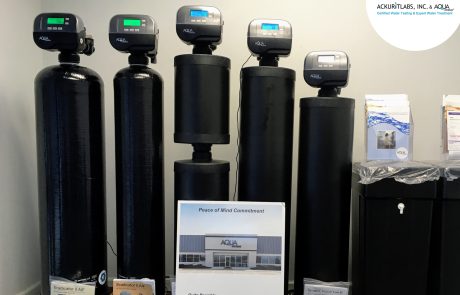
Hardness minerals stick to a charged resin, which swaps them for sodium or potassium ions, and the stored brine is topped up with salt as needed. Softened supply leaves less scale on fixtures, glass and heating elements; the lab result still decides what else belongs in the plan.
Template-Assisted Units: an Honest Comparison
A salt-free unit does not remove calcium or magnesium; it alters how those minerals behave, though results vary with the water and the model. Expect scale to be reduced rather than eliminated, and expect no change in how soap lathers; being clear on this point prevents disputes later.
Activated Carbon – Contact Time and Capacity
Carbon holds onto certain compounds as supply passes through, which cuts chlorine taste and some odors; each type of carbon targets specific compounds, so the media is picked to suit the finding. Contact time and flow rate affect results, and a unit pushed too hard performs worse, and the provider can estimate a schedule.
Canisters on the Line: Keeping Spare Elements
Grit and flakes get stopped by a pleated or wound element sitting in a clear or opaque canister, and a smaller rating catches finer particles but clogs sooner. Pressure falls as an element loads up, which is the practical signal to swap it, and a pressure gauge on each side of the housing makes that visible.
Reverse Osmosis – Storage Tank, Faucet and Drain
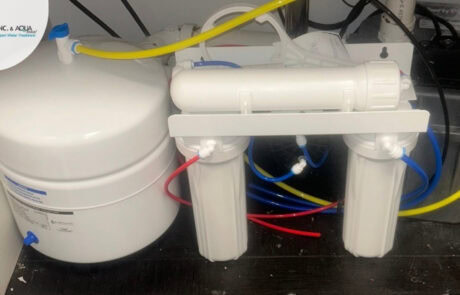
Pressure pushes the supply against a semipermeable membrane, and most dissolved material is held back; most home units sit under a sink and serve one tap. Some units add minerals back after the membrane to adjust taste; ask for the maintenance schedule in writing.
Treating Iron, Sulfur and Microbes: What the Installer Sets Up
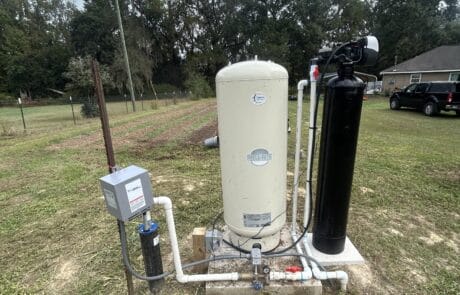
Where a well carries iron, sulfur or microbes, injecting chlorine is a long-established approach; the tank is sized to the flow of the well. Where the supply is meant for drinking, the leftover chlorine is filtered off; a wrong dose helps nobody.
Point of Entry Versus Point of Use: Planning the Pipe Run
Whole-house layouts put one set of equipment ahead of every fixture; the flow at the entry is worth measuring before ordering. Many households combine both: a main-line device for scale and a sink model for taste, and it shows which walls and lines are involved.
Sizing: Gallons per Minute and Grains
Treating the household's peak demand, not its average, keeps pressure from dropping; a bigger tank may be the practical answer. When a unit is too small, pressure falls at fixtures during busy mornings; ask to see the numbers behind the recommendation.
Space and Connections – Codes and Neighbors
Valves around the equipment allow it to be taken out of service in minutes; chlorine feed pumps and contact tanks add their own requirements. Local plumbing and electrical rules may apply, and the installer is the one to know them, and access for servicing should be planned from the start.
Two Starting Points: Planning Around the Source
Private wells deliver untreated groundwater, which can carry iron, sulfur, hardness and microbes; sediment and iron tend to be the early concerns. The provider needs to know which source feeds the house before suggesting anything, and a lab report removes most of the guesswork.
Weather and the Equipment Room: Controllers, Pumps and Flooding
Softeners and filters with electronic controllers can lose their settings in a long outage unless a backup battery holds them; a quick look at the salt level and the drain line completes the check. Equipment that sat in floodwater needs inspection before it goes back into service; keep manuals and settings notes together.
Day-to-Day Presence: Garages, Closets and Mechanical Rooms
Noise from a unit tends to come from the drain line and the valve rather than the tanks; clear floor space around a tank makes salt loading simple. Some owners build a small enclosure, though it must not block air or access, and the provider should ask about access.
Replacement and Add-Ons – Keep, Repair or Replace
A house may come with equipment that nobody remembers installing, so a look at the labels is the first step; the model number on the label usually leads to a manual and a parts list. Adding a stage to an existing setup requires attention to order, flow rate and pressure drop; photographs of the current setup speed up the first conversation.
Treatment at Business Scale – Keeping Service Running
Restaurants, offices and apartment buildings draw far more than a house, and the gear is scaled to match; the survey of the site comes first. Training the people on site about shutoffs and alarms prevents small problems from growing, and it supports any later troubleshooting.
Service Schedule: Salt, Cartridges and Media
Filters eventually clog, and carbon eventually saturates, so each has a replacement interval; adjust to what the supply actually does. Warning signs include a return of the old taste, scale reappearing and a drop in pressure; an annual look at the controls is sensible.
Verifying What Changed: Tracking Performance
A sample collected after the system is running shows whether the problem was solved; schedule it when the system goes in. Treatment can reduce certain items without eliminating them, and the report shows by how much; store copies where they can be found.
Where Hardware Stops: Misuse and Misfit
No single device removes every substance, and a pitch that one box covers everything deserves doubt; ask for the specific substances a product addresses. Anyone selling treatment equipment should be able to explain what it reduces and what it leaves alone; clear explanations are the best sign.
What to Ask at the Door – Written Answers Preferred
- Does the plan name the substances it targets, rather than speaking in general terms; ask for the reasoning in writing.
- Who installs the equipment, and who services it after the job is done; ask for a copy of the manuals too.
- Which items are checked on a routine visit, and which need special tools, and what does it say about future servicing.
Getting Advice – Share Your Lab Report
Call Ackuritlabs And Aqua Systems at 850-616-2634 and describe the house, the plumbing and what you want changed.
The Short Version: Next Steps
Matching a device to a lab result, sizing it to the building and keeping up with upkeep is the whole recipe, and for Whole House Water Filtration Installation in Monticello Florida the first step is a conversation about the supply and the symptoms. You can speak with Ackuritlabs And Aqua Systems at 850-616-2634 about your plumbing and your goals; the call goes quickly.
Verified

Verified
Verified
Verified
Verified