Need Reverse Osmosis Service in Quincy Florida?
A treatment system is a tool for one job, so the job has to be named before the tool is picked; the sections below put the options in plain language.
Contact Ackuritlabs And Aqua Systems at 850-616-2634 and say whether the supply is a well or a city line.
Where Treatment Begins: Naming the Target
Taste and appearance narrow the field, though only a lab report settles it, and the figure is what a provider uses to size and pick the unit. Where no result exists yet, a provider can often suggest what to measure, and the choice of equipment follows once the numbers arrive.
The Salt-Based Softener: a Bed of Beads and a Brine Tank
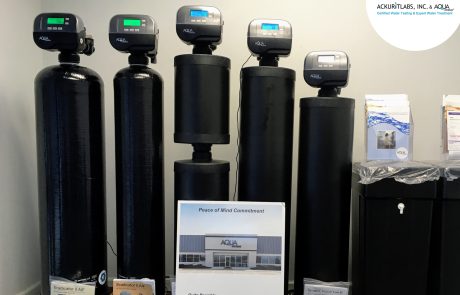
The beads in a softener hold hardness minerals until they are rinsed clean, and a salt or potassium brine recharges the bed on a schedule. Softened supply leaves less scale on fixtures, glass and heating elements; it is not meant to filter out bacteria or chemicals.
Salt-Free Conditioners – Changing How Scale Forms
Conditioners leave the hardness figure unchanged and change the shape of the crystals that form; they need no electricity in many designs. A conditioner will not give the slick feel that a softened supply has in the shower; ask what the device will not do.
Activated Carbon – Contact Time and Capacity
Surfaces inside the carbon grab onto particular chemicals, leaving a cleaner taste behind; each type of carbon targets specific compounds, so the media is picked to suit the finding. Capacity depends on how much is in the supply and how much a household uses; a pre-filter often extends the life of the carbon.
The Filter Under the Cap – Catching Grit Before It Travels On
Grit and flakes get stopped by a pleated or wound element sitting in a clear or opaque canister; a series of coarse then fine elements spreads the load. Pressure falls as an element loads up, which is the practical signal to swap it; write the swap date on the canister.
High-Pressure Polishing: Where It Sits and What It Wastes
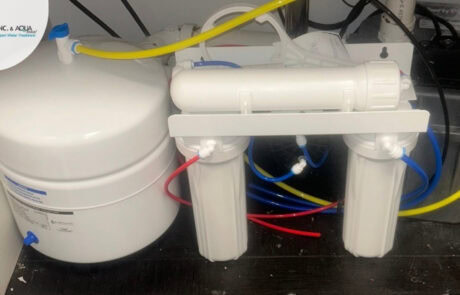
A small pump or the line pressure drives the flow through a membrane with extremely fine pores; compact units fit under a sink and serve a single tap. The reduction achieved depends on membrane condition, pressure and what is in the feed; ask for the maintenance schedule in writing.
Treating Iron, Sulfur and Microbes: What the Installer Sets Up
A pump, a tank and a backwashing filter form the heart of a chlorination setup, and the dose is set from lab readings. The final stage polishes taste and removes what remains of the disinfectant, and the setup should be checked after the first weeks.
Treating Everything or Just the Faucet – One Tap, One Sink, One Appliance
Point-of-entry installations deal with problems that affect the entire plumbing system; scale, iron and chlorine are the usual reasons to go this route. A point-of-use unit serves a single faucet, usually the kitchen, and suits drinking and cooking; the provider can sketch where each unit would go.
Choosing a Capacity – Pressure Drop and Pace
Treating the household's peak demand, not its average, keeps pressure from dropping; a bigger tank may be the practical answer. Equipment that is too small works harder and wears out sooner; the sizing is not a mystery.
Installation Details: Bypass Valves, Drains and Outlets
Good installations include a way to route flow around the unit when needed; a drain line, an air gap and a nearby outlet come with a softener. Checking with the local office is sensible before anything is cut or glued; a tidy install is easier to maintain.
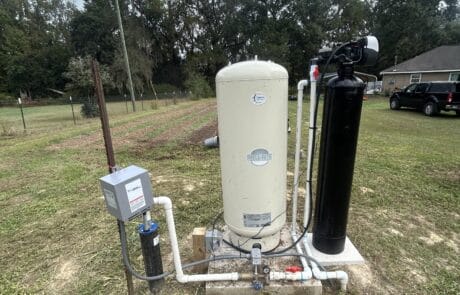
Two Starting Points – Pressure Tanks and Pumps
Supply from a public system arrives already disinfected, which changes what is left to fix, and the right system differs accordingly. The provider needs to know which source feeds the house before suggesting anything, and a lab report removes most of the guesswork.
Weather and the Equipment Room: What to Check Afterward
Many controllers keep their program in memory for a short while, and then need to be set again, and the manual shows how to reset the controller. A flooded system should be shut off and checked before use, since damage is not always visible; photographs taken before the season make later comparisons easier.
Practical Details Homeowners Ask About – Placement Decisions That Last
Pumps and metering equipment hum when they work, so placement matters for bedrooms and offices, which is worth thinking through before delivery. A tidy installation labels valves, supports the plumbing and keeps the area dry; measure doors and hallways as well.
Upgrading What Is Already There: Compatibility With Present Plumbing
Many properties already have a tank, a filter housing or an under-sink unit, and the question is whether it still suits the supply; a fresh lab panel shows whether the present system is still doing its job. A sediment screen or a carbon stage can often be added without replacing everything; ask for a plain list of what changes and what stays.
Commercial Systems: Written Specifications
Larger buildings may need several tanks and manifolds, not one household unit, and a drawing of the proposed layout is a reasonable request. Staff who run the building need to know where the valves are and what each one does, and the provider can supply those if asked.
Keeping Equipment in Shape – Setting Reminders
Every type of equipment has a consumable: salt for softeners, cartridges for filters, membranes for osmosis units; a simple calendar reminder prevents most lapses. If stains come back, or the taste creeps back, something in the chain has used up its capacity; do not wait for a complete failure.
Confirming the Result: Tracking Performance
The most reliable verification is a fresh panel run on the same items as before, and the lab can run the identical methods again. Expect a number lower than before, not necessarily a number of zero; store copies where they can be found.
Honest Limits: No Single Device Fixes Everything
Marketing language tends to be broader than what a product actually does; claims about results should point to a published test method. A fair provider will tell you when equipment is not the fix, or not the whole fix; nothing here replaces advice for your property.
Comparing Proposals: Scope, Parts and Follow-Up
- Does the plan name the substances it targets, rather than speaking in general terms; a specific answer is what you want.
- Who installs the equipment, and who services it after the job is done; clear scope prevents surprises.
- What signs should prompt a call before the next scheduled check; each of these is worth asking.
Getting Advice: Questions Are the Starting Point
Speak with Ackuritlabs And Aqua Systems at 850-616-2634 and ask what to collect before any equipment is chosen.
What to Remember: Next Steps
A dependable setup follows a sequence: measure the supply, pick equipment to suit, install it carefully and test again, and everything above about Reverse Osmosis Service in Quincy Florida is general background, not a verdict. Questions are welcome at 850-616-2634, where Ackuritlabs And Aqua Systems can lay out the options, and share what the lab report shows.
Verified

Verified
Verified
Verified
Verified