Shopping for Water Filter Installation Around Crawfordville Florida?
Equipment gets chosen to fix a measured problem, and the fix is only as good as the diagnosis behind it, and the sections below explain how the common options differ.
Call Ackuritlabs And Aqua Systems at 850-616-2634 and say whether the supply is a well or a city line.
The Step Ahead of the Purchase – Reading the Problem Correctly
A smell, a stain or a taste is a symptom, and the symptom alone rarely identifies the cure; having a report on hand speeds everything up. Where no result exists yet, a provider can often suggest what to measure; the equipment decision waits until the numbers are in.
Softening: Regeneration in Plain Terms
Hardness minerals stick to a charged resin, which swaps them for sodium or potassium ions, and the stored brine is topped up with salt as needed. Laundry and dishes tend to come out cleaner where the minerals have been removed; other equipment handles those jobs.
Scale Control Without Salt: What They Do and Do Not Do
The minerals stay in the supply, but the device nudges them toward forming less scale on surfaces; they need no electricity in many designs. Anyone expecting the soft feel of a true softener should know the two are different things; being clear on this point prevents disputes later.
Taste and Odor Control: Chlorine, Odors and Organic Traces
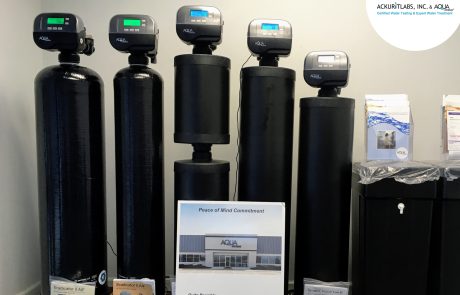
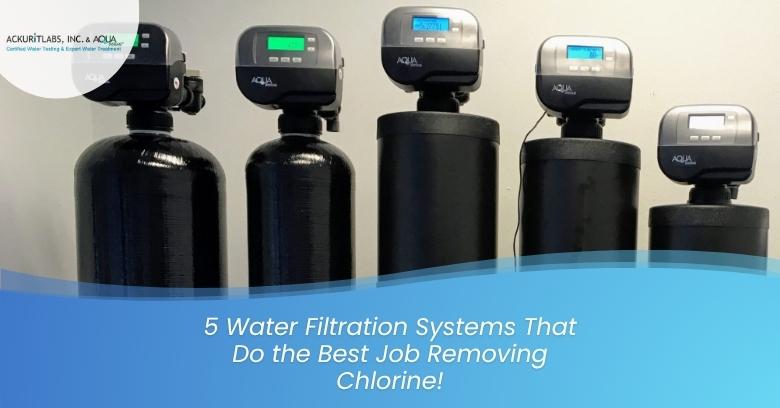
Carbon holds onto certain compounds as supply passes through, which cuts chlorine taste and some odors; it helps to know what the utility adds. Every carbon filter eventually fills up, so replacement or backwashing is part of owning one; a taste that creeps back is the usual reminder.
Housings and Replaceable Elements: Reading the Micron Number
Grit and flakes get stopped by a pleated or wound element sitting in a clear or opaque canister, which lets each cartridge last longer. Putting stages in the wrong order shortens the life of the costlier cartridge, and a pressure gauge on each side of the housing makes that visible.
Reverse Osmosis – Dissolved Solids Reduced
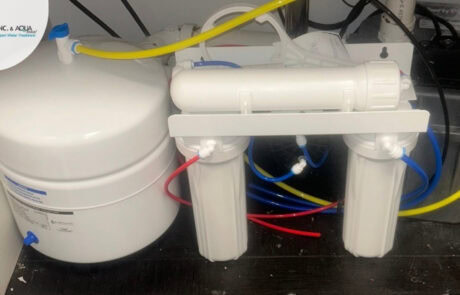
A membrane passes the liquid and rejects a large share of dissolved salts and other solids; compact units fit under a sink and serve a single tap. Reverse osmosis units reduce many dissolved substances, though performance varies by model and by supply; a leak sensor is a sensible add-on.
Chlorination – the Carbon Stage Afterward
A chlorine injector meters a small amount of disinfectant into the line ahead of a holding tank; the chlorine oxidizes iron and sulfide into forms that can be filtered out. The final stage polishes taste and removes what remains of the disinfectant; a wrong dose helps nobody.
Scope of a System: Planning the Pipe Run
Point-of-entry installations deal with problems that affect the entire plumbing system; larger tanks and brine cabinets take real room. Many households combine both: a main-line device for scale and a sink model for taste, and the two approaches work well together.
Matching the Unit to the House – People, Fixtures and Usage
A unit has two numbers that matter: a peak flow rating and a capacity between cleanings; high readings use up capacity faster. Oversizing has drawbacks too, since idle media can foul and extra tanks need space, and a vague one deserves a follow-up question.
Space and Connections: Bypass Valves, Drains and Outlets
A bypass lets the household isolate a unit without shutting off the whole supply; a drain line, an air gap and a nearby outlet come with a softener. Codes affect drain connections, backflow protection and the placement of equipment; measure before ordering.
Two Starting Points: Chlorine Added or Not
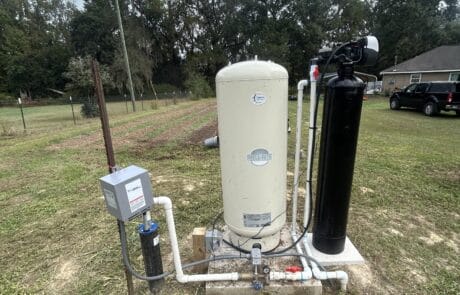
Raw well supply brings the chemistry of the ground straight to the plumbing; sediment and iron tend to be the early concerns. A quick description of the plumbing path is enough to start the right conversation; mention the source on the first call.
After an Outage – Protecting Gear From Surge and Silt
Softeners and filters with electronic controllers can lose their settings in a long outage unless a backup battery holds them, and the manual shows how to reset the controller. Silt in a housing, a wet motor or a corroded joint can turn a repair into a replacement; photographs taken before the season make later comparisons easier.
Where Everything Goes – Placement Decisions That Last
Pumps and metering equipment hum when they work, so placement matters for bedrooms and offices; clear floor space around a tank makes salt loading simple. Sunlight can damage clear housings and warm the supply, so shade is sensible outdoors; measure doors and hallways as well.
An Older System in the Garage: Planning a Sensible Sequence
Equipment bought long ago was chosen for a supply that may have changed since; the model number on the label usually leads to a manual and a parts list. Adding a stage to an existing setup requires attention to order, flow rate and pressure drop; ask for a plain list of what changes and what stays.
Equipment for Operations – Coordinating With Maintenance
Commercial installations are usually specified on paper, with flow rates and targets spelled out; the existing mechanical room often decides what fits. A property manager benefits from a maintenance plan that lists tasks, intervals and who does them, and it supports any later troubleshooting.
Maintenance Rhythm: Signs a Unit Needs Attention
Treatment is not a one-time purchase, since something wears out or runs low on every system; the manual lists intervals, though a heavy load shortens them. Noisy valves, salt bridges in the tank and slow flow are signs worth a look; the provider can inspect and adjust.
Confirming the Result: When to Retest
Nothing beats a repeat panel for showing whether the readings moved, which matters for cartridges and media that wear. Treatment can reduce certain items without eliminating them, and the report shows by how much, and keeping both reports together tells the story.
Expectations Worth Setting: Misuse and Misfit
Marketing language tends to be broader than what a product actually does; compare the data sheet with your lab report. A provider unwilling to discuss limits is one to think twice about; weigh each source on how specific it is.
A Short Interview – Written Answers Preferred
- What does the proposal assume about hardness, iron and chlorine, and where did those figures come from; vague answers deserve a follow-up.
- Where will the drain, the power and the bypass go, and what will be cut or moved; a walk-through at the end is reasonable to ask for.
- Which items are checked on a routine visit, and which need special tools; follow-up is as important as the install.
Start the Conversation: Describe the Problem First
Dial Ackuritlabs And Aqua Systems at 850-616-2634 to go over the lab report and the symptoms at your tap.
What to Remember – Upkeep Keeps It Working
Good outcomes come from habits worth repeating: testing first, buying second and checking afterward, and for Water Filter Installation in Crawfordville Florida the first step is a conversation about the supply and the symptoms. The number to call is 850-616-2634, and the conversation is the first step, and say what you would like to change.
Verified

Verified
Verified
Verified
Verified