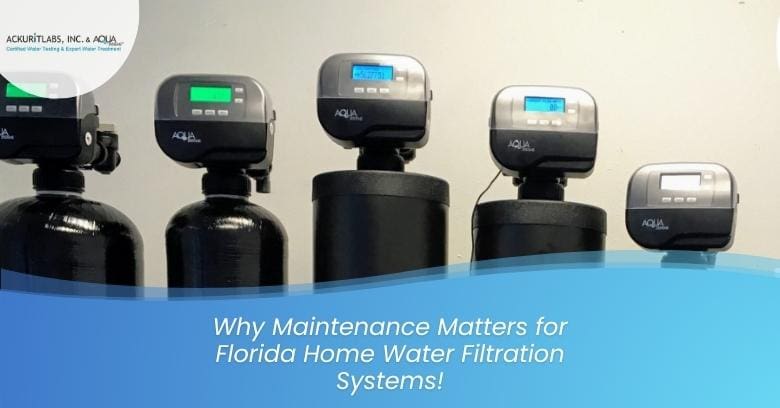
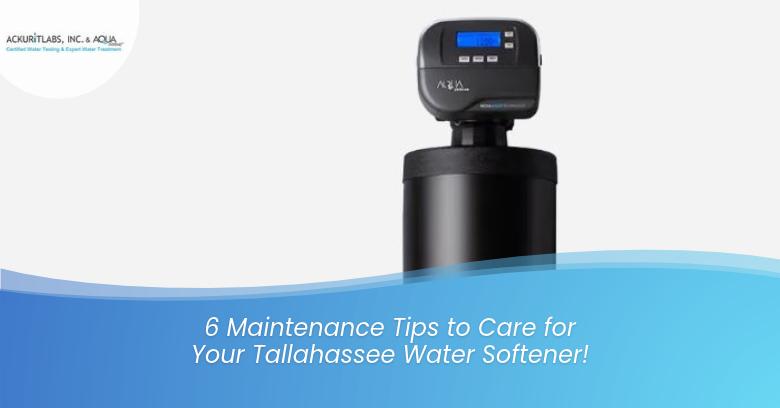
Weighing Options for Water Softener Installation for a Property in Chattahoochee Florida?
A treatment system is a tool for one job, so the job has to be named before the tool is picked; the sections below describe what each option does and where it stops.
Phone Ackuritlabs And Aqua Systems at 850-616-2634 and describe the stains, scale or smells you want gone.
Before Any Equipment: Why Skipping It Backfires
Three households with the same complaint can need three different systems, because the underlying chemistry differs; a sample sent to a laboratory turns a guess into a figure. Even a brief description of the symptoms helps decide which measurements to order; patience at this stage tends to save money later.
Resin Tanks: a Bed of Beads and a Brine Tank
Hardness minerals stick to a charged resin, which swaps them for sodium or potassium ions; a control valve decides when to regenerate by clock or by usage. Less mineral reaching the pipes also means less deposit inside them, though a softener does little for iron staining beyond a modest level.
Template-Assisted Units: No Drain, No Salt, Different Results
A salt-free unit does not remove calcium or magnesium; it alters how those minerals behave, though results vary with the water and the model. Anyone expecting the soft feel of a true softener should know the two are different things; ask what the device will not do.
Adsorption Media – Granular Beds and Blocks
Filters based on carbon are the usual choice for chlorine taste and many household odors; it helps to know what the utility adds. Contact time and flow rate affect results, and a unit pushed too hard performs worse; keeping a date on the housing is a good habit.
The Filter Under the Cap: Keeping Spare Elements
Particle filters are the first stage in many systems, catching whatever would clog the rest; a series of coarse then fine elements spreads the load. A carbon cartridge installed in the same housing style handles taste while the sediment unit handles grit; replacements are sold by size, so note the model.
Reverse Osmosis: Fair Expectations
A membrane passes the liquid and rejects a large share of dissolved salts and other solids; the rejected stream runs to a drain, so a connection to the sink drain is part of the installation. The reduction achieved depends on membrane condition, pressure and what is in the feed; ask for the maintenance schedule in writing.
Feeding Chlorine Into the Line: Why Dose Control Matters
A metering pump feeds sodium hypochlorite into the flow, and a tank gives it time to react; the chlorine oxidizes iron and sulfide into forms that can be filtered out. Residual chlorine has to be removed afterward, and a carbon filter normally takes that job; dosing is not a do-it-yourself guess.
Scope of a System – Matching Scope to Need
Everything inside the building sees treated flow when equipment sits at the entry; scale, iron and chlorine are the usual reasons to go this route. Smaller units at one sink target what people drink, leaving the rest of the plumbing alone; the provider can sketch where each unit would go.
Sizing: Room to Grow
Ratings printed on the label describe the equipment, and the installer matches them to the building; a bigger tank may be the practical answer. When a unit is too small, pressure falls at fixtures during busy mornings; a reasoned answer is a good sign.
Space and Connections: Tying Into Existing Lines
Good installations include a way to route flow around the unit when needed; the walk-through before work matters. Codes affect drain connections, backflow protection and the placement of equipment, and clear labels on valves help the next person.
Two Starting Points – Pressure Tanks and Pumps
Raw well supply brings the chemistry of the ground straight to the plumbing, whereas chlorine and chloramine lead the list on a city line. Equipment picked from a neighbor's experience may not suit a different source; mention the source on the first call.
Weather and the Equipment Room: What to Check Afterward
Softeners and filters with electronic controllers can lose their settings in a long outage unless a backup battery holds them, since a stuck valve is easier to catch early. Equipment that sat in floodwater needs inspection before it goes back into service; ask the installer what to do before a storm.
Noise, Space and Appearance – Reaching the Controls
Noise from a unit tends to come from the drain line and the valve rather than the tanks, and the location is chosen to keep lines short and service easy. Some owners build a small enclosure, though it must not block air or access, and the installer can suggest a layout.
Replacement and Add-Ons – Keep, Repair or Replace
Equipment bought long ago was chosen for a supply that may have changed since; the model number on the label usually leads to a manual and a parts list. A sediment screen or a carbon stage can often be added without replacing everything; ask for a plain list of what changes and what stays.
Equipment for Operations: Duplex Tanks and Bigger Flows
Commercial installations are usually specified on paper, with flow rates and targets spelled out; the survey of the site comes first. Commercial owners usually want service records, so the system should make them easy to keep, because early warning beats a repair.
Keeping Equipment in Shape: Salt, Cartridges and Media
Resin beads age slowly, and cartridges and pre-filters age quickly; the manual lists intervals, though a heavy load shortens them. Noisy valves, salt bridges in the tank and slow flow are signs worth a look; an annual look at the controls is sensible.
Closing the Loop: Before and After Side by Side
A sample collected after the system is running shows whether the problem was solved, which matters for cartridges and media that wear. Expect a number lower than before, not necessarily a number of zero; a short note on the equipment installed completes the record.
Limits to Keep in Mind: Misuse and Misfit
A softener will not make a supply taste different, and a carbon filter will not soften it; ask for the specific substances a product addresses. A provider unwilling to discuss limits is one to think twice about; weigh each source on how specific it is.
Comparing Proposals: Scope, Parts and Follow-Up
- Which lab results is the proposal based on, and which items does it address; vague answers deserve a follow-up.
- What parts and consumables are needed, and how often do they need replacing; clear scope prevents surprises.
- How will you know the equipment is working a few months from now, and what does it say about future servicing.
Talking It Through: Describe the Problem First
Speak with Ackuritlabs And Aqua Systems at 850-616-2634 and describe the house, the plumbing and what you want changed.
What to Remember: Next Steps
Matching a device to a lab result, sizing it to the building and keeping up with upkeep is the whole recipe, and everything above about Water Softener Installation in Chattahoochee Florida is general background, not a verdict. To get started, reach Ackuritlabs And Aqua Systems at 850-616-2634, and share what the lab report shows.
Verified

Verified
Verified