Looking for Residential Water Softener Installation for a Property in Chattahoochee Florida?
Matching the device to the finding is what separates a useful installation from a blind guess, and the sections below explain how the common options differ.
Speak with Ackuritlabs And Aqua Systems at 850-616-2634 to talk through what the tap has been doing.
Diagnosis First: Why Skipping It Backfires
Equipment bought off a shelf may handle a different problem than the one at the tap, and the figure is what a provider uses to size and pick the unit. If the history of the supply is unknown, a baseline panel is the sensible opener; patience at this stage tends to save money later.
Resin Tanks – What It Fixes and What It Leaves
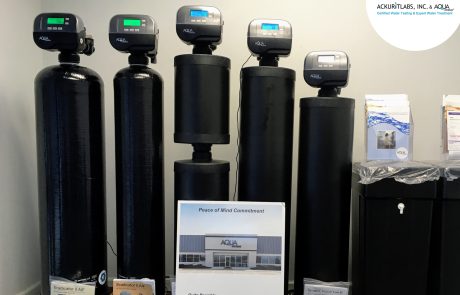
A conventional softener passes the supply through a bed of resin beads that grab calcium and magnesium; a control valve decides when to regenerate by clock or by usage. Laundry and dishes tend to come out cleaner where the minerals have been removed; it is not meant to filter out bacteria or chemicals.
Alternatives to the Brine Tank – Setting Expectations
These devices work on how scale sticks, and they do not strip the minerals out; they need no electricity in many designs. Expect scale to be reduced rather than eliminated, and expect no change in how soap lathers, and it helps compare options fairly.
The Charcoal Option – Contact Time and Capacity
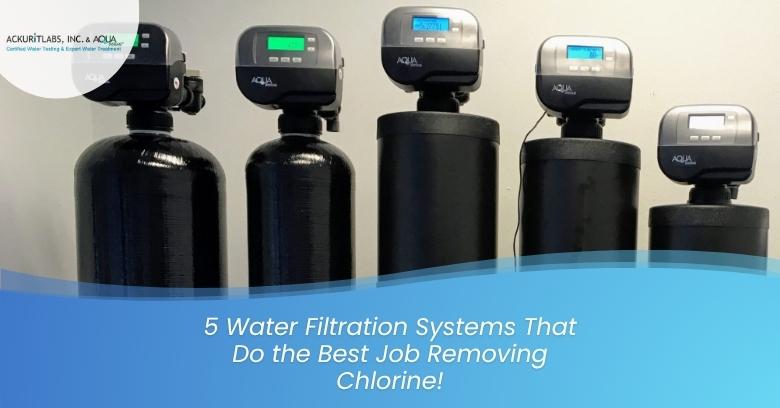
Filters based on carbon are the usual choice for chlorine taste and many household odors, and ordinary carbon handles free chlorine more easily than chloramine. Contact time and flow rate affect results, and a unit pushed too hard performs worse; keeping a date on the housing is a good habit.
Canisters on the Line: Reading the Micron Number
Sediment cartridges screen out sand, rust flakes and silt before they reach appliances; a series of coarse then fine elements spreads the load. Pressure falls as an element loads up, which is the practical signal to swap it; replacements are sold by size, so note the model.
Membrane Systems: Fair Expectations
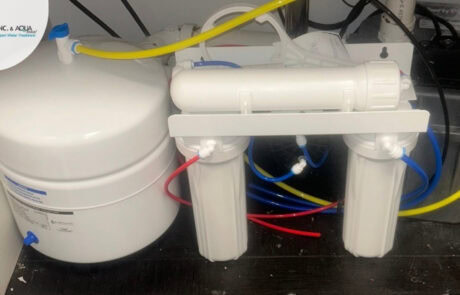
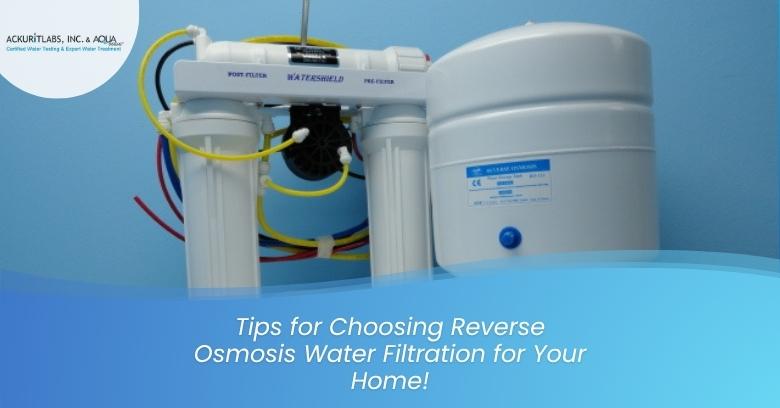
Pressure pushes the supply against a semipermeable membrane, and most dissolved material is held back, while larger units serve whole buildings. Some units add minerals back after the membrane to adjust taste; a leak sensor is a sensible add-on.
Injectors and Contact Tanks: What the Installer Sets Up
Where a well carries iron, sulfur or microbes, injecting chlorine is a long-established approach, and the dose is set from lab readings. After the contact tank, a carbon stage strips leftover chlorine so the tap smells clean; chemicals are stored and handled according to the label.
Where the Equipment Sits: What Each Layout Covers
Point-of-entry installations deal with problems that affect the entire plumbing system; scale, iron and chlorine are the usual reasons to go this route. Many households combine both: a main-line device for scale and a sink model for taste, and the two approaches work well together.
Matching the Unit to the House: Room to Grow
The size of the housing and the volume of media set how much a system can handle; the number of bathrooms and people is part of the calculation. Equipment that is too small works harder and wears out sooner; the sizing is not a mystery.
What the Job Requires: the Checklist Behind a Clean Install
Valves around the equipment allow it to be taken out of service in minutes; a drain line, an air gap and a nearby outlet come with a softener. Codes affect drain connections, backflow protection and the placement of equipment; leave room to open the tank lid and swap a cartridge.
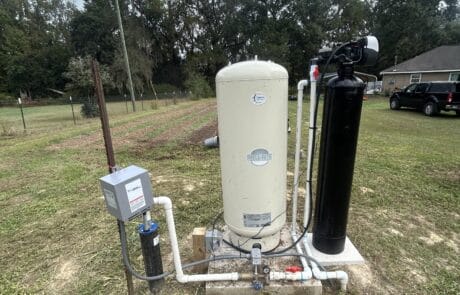
Private Source or Public Main – Pressure Tanks and Pumps
City lines usually deliver a steady, disinfected supply, so the complaints tend to be taste and scale; sediment and iron tend to be the early concerns. Because the two sources differ, the same product can be a great fit on one and wasted on the other, and a lab report removes most of the guesswork.
After an Outage: Planning Before the Season
Many controllers keep their program in memory for a short while, and then need to be set again; checking the time and the settings after power returns takes a minute. If floodwater covered the wellhead, the supply itself needs a fresh lab sample; ask the installer what to do before a storm.
Noise, Space and Appearance: Keeping the Area Tidy
Compressors and pumps are the noisiest parts of larger systems, and they normally sit in a mechanical space; a garage, a utility closet or a pump house is the usual home. Some owners build a small enclosure, though it must not block air or access; a sketch of the space helps the planning.
Inherited Hardware – Reading Old Labels
Inherited hardware is worth examining before anything new is added, and the provider can often read the date code. New components usually have to fit the pipe sizes, the pressure and the drain already in place, and the installer should explain what is being kept.
Treatment at Business Scale – Keeping Service Running
Restaurants, offices and apartment buildings draw far more than a house, and the gear is scaled to match; the survey of the site comes first. Staff who run the building need to know where the valves are and what each one does; ask what monitoring the equipment offers.
Upkeep: What Gets Neglected
Soft supply depends on a brine tank that is kept stocked; the manual lists intervals, though a heavy load shortens them. If stains come back, or the taste creeps back, something in the chain has used up its capacity, and a service call beats a failed system.
The Second Sample: Before and After Side by Side
Comparing a new lab report against the original is how a household confirms the hardware did its job; collecting at the same tap, in the same way, keeps the comparison fair. A result that falls short is information, and it points to what to add or change; dates on everything keep the record clear.
Limits to Keep in Mind: Misuse and Misfit
Marketing language tends to be broader than what a product actually does; read the data sheet, not just the front of the box. A provider unwilling to discuss limits is one to think twice about; clear explanations are the best sign.
A Short Interview – Written Answers Preferred
- Is the recommended size tied to the lab figures and the household's flow, and the proposal should say so on paper.
- What parts and consumables are needed, and how often do they need replacing; a walk-through at the end is reasonable to ask for.
- How will you know the equipment is working a few months from now; ask about it before work starts.
A Call Before a Purchase: Bring What You Know
Call Ackuritlabs And Aqua Systems at 850-616-2634 and ask what to collect before any equipment is chosen.
The Short Version: Matching Hardware to the Finding
Matching a device to a lab result, sizing it to the building and keeping up with upkeep is the whole recipe, and everything above about Residential Water Softener Installation in Chattahoochee Florida is general background, not a verdict. To get started, reach Ackuritlabs And Aqua Systems at 850-616-2634; mention whether the supply is a well or a utility line.
Verified

Verified
Verified
Verified
Verified