Shopping for Commercial Water Filtration in Gretna Florida?
A treatment system is a tool for one job, so the job has to be named before the tool is picked; the sections below describe what each option does and where it stops.
Contact Ackuritlabs And Aqua Systems at 850-616-2634 and say whether the supply is a well or a city line.
Before Any Equipment: Naming the Target
Taste and appearance narrow the field, though only a lab report settles it, which keeps the proposal tied to evidence. Even a brief description of the symptoms helps decide which measurements to order; the equipment decision waits until the numbers are in.
Ion Exchange – Swapping Minerals for Sodium or Potassium
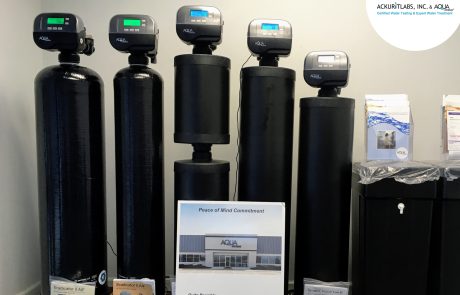
Hardness minerals stick to a charged resin, which swaps them for sodium or potassium ions, and a salt or potassium brine recharges the bed on a schedule. Scale buildup on heaters, kettles and shower heads slows down where hardness has been removed; it is not meant to filter out bacteria or chemicals.
Salt-Free Conditioners – Changing How Scale Forms
The minerals stay in the supply, but the device nudges them toward forming less scale on surfaces, which suits some households and some local rules. The results are described best as less crust, not no crust, and it helps compare options fairly.
The Charcoal Option – Contact Time and Capacity
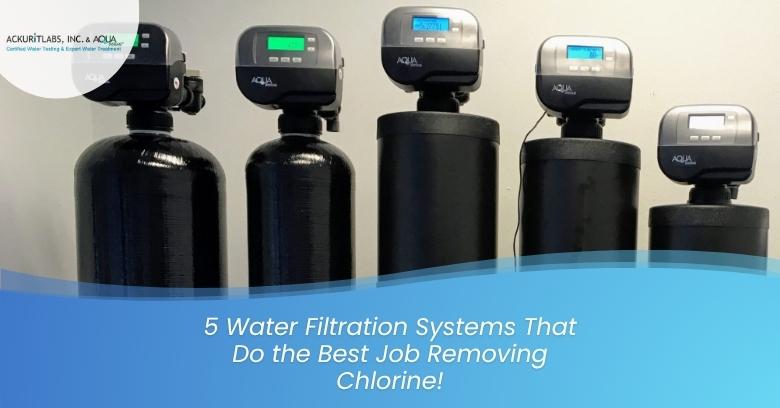
Porous carbon traps many organic molecules and chlorine on its surfaces as flow moves across them; a catalytic grade is often used where chloramine is the disinfectant. Every carbon filter eventually fills up, so replacement or backwashing is part of owning one, and the maker's change interval is a guide, not a promise.
Spun, Pleated and Wound Media: Reading the Micron Number
The simplest way to protect a pump, a softener or a fixture is usually a sediment screen ahead of it, and a smaller rating catches finer particles but clogs sooner. A carbon cartridge installed in the same housing style handles taste while the sediment unit handles grit; replacements are sold by size, so note the model.
Reverse Osmosis: Pressure, Membrane and Reject Stream
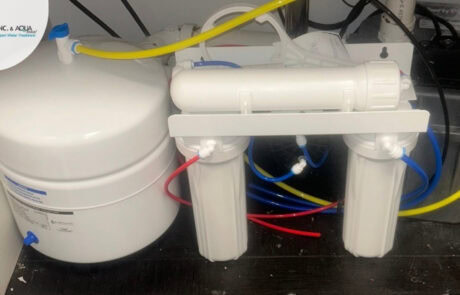
A membrane passes the liquid and rejects a large share of dissolved salts and other solids, and a small storage tank holds finished supply for the dedicated faucet. The reduction achieved depends on membrane condition, pressure and what is in the feed; ask for the maintenance schedule in writing.
Chlorination: Why Dose Control Matters
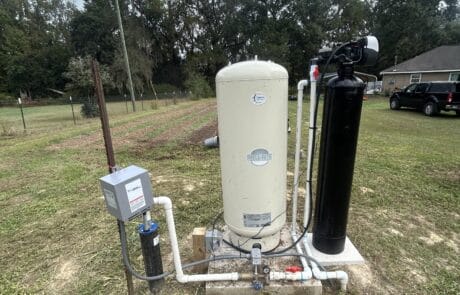
The setup pairs a feed pump with a retention tank so the chlorine has time to work; the tank is sized to the flow of the well. A backwashing filter often follows, clearing the particles the reaction produces; a wrong dose helps nobody.
Where the Equipment Sits: What Each Layout Covers
Whole-house layouts put one set of equipment ahead of every fixture; the flow at the entry is worth measuring before ordering. Many households combine both: a main-line device for scale and a sink model for taste, and the two approaches work well together.
Flow Rate and Capacity: What Undersizing Looks Like
A unit has two numbers that matter: a peak flow rating and a capacity between cleanings, along with the hardness or iron level on the lab report. When a unit is too small, pressure falls at fixtures during busy mornings; ask to see the numbers behind the recommendation.
Plumbing, Power and Drain Needs: Bypass Valves, Drains and Outlets
Shutoffs on both sides of a unit make servicing simple; the installer plans the route up front. Local plumbing and electrical rules may apply, and the installer is the one to know them; leave room to open the tank lid and swap a cartridge.
Two Starting Points: Planning Around the Source
Private wells deliver untreated groundwater, which can carry iron, sulfur, hardness and microbes, and the right system differs accordingly. A carbon unit that suits a city line may be useless against the main problem of a well; photos of the existing equipment help.
Storms and Power Interruptions – Protecting Gear From Surge and Silt
Softeners and filters with electronic controllers can lose their settings in a long outage unless a backup battery holds them, and the manual shows how to reset the controller. Anything touched by flooding, including a well pump and chemical feed gear, deserves a professional look; photographs taken before the season make later comparisons easier.
Where Everything Goes: Keeping the Area Tidy
A recharge brings gurgling and flowing noises for a spell, usually at a scheduled hour, which is worth thinking through before delivery. Equipment is easiest to live with when the controls and the drain sit where a person can reach them; a tank that cannot get through a doorway is a common surprise.
An Older System in the Garage: Planning a Sensible Sequence
Inherited hardware is worth examining before anything new is added, which helps weigh a repair against a new unit. New components usually have to fit the pipe sizes, the pressure and the drain already in place; photographs of the current setup speed up the first conversation.
Treatment at Business Scale – Coordinating With Maintenance
Commercial installations are usually specified on paper, with flow rates and targets spelled out, and a drawing of the proposed layout is a reasonable request. Written procedures and a labeled schematic make handovers between staff smoother, and the provider can supply those if asked.
Upkeep – Small Tasks That Protect Big Parts
Soft supply depends on a brine tank that is kept stocked; a label on each housing with the install date helps. Warning signs include a return of the old taste, scale reappearing and a drop in pressure, and a service call beats a failed system.
The Second Sample: When to Retest
Comparing a new lab report against the original is how a household confirms the hardware did its job, and the lab can run the identical methods again. If a reading is still high, the report guides the next adjustment; dates on everything keep the record clear.
Expectations Worth Setting – Matching Promises to Physics
Each technology removes some things and leaves others, so a layered setup is common; ask for the specific substances a product addresses. Honest answers sound specific, and vague answers sound like a sales line; nothing here replaces advice for your property.
Questions for a Provider: Scope, Parts and Follow-Up
- Which lab results is the proposal based on, and which items does it address; vague answers deserve a follow-up.
- Who installs the equipment, and who services it after the job is done, and how can questions be raised afterward.
- What signs should prompt a call before the next scheduled check; write the answers down.
Talking It Through: Questions Are the Starting Point
Dial Ackuritlabs And Aqua Systems at 850-616-2634 and describe the house, the plumbing and what you want changed.
What to Remember – the Sequence That Works
Every lasting installation rests on a clear diagnosis, a suitable size and regular care, because each property in Gretna Florida has its own story, whatever any page says about Commercial Water Filtration. Call 850-616-2634 to reach Ackuritlabs And Aqua Systems and talk over your situation; the call goes quickly.
Verified

Verified
Verified
Verified
Verified