Looking for Water Softener Installation in Havana Florida?
Good installations start from a lab result and work toward a device that suits it; the sections below describe what each option does and where it stops.
Dial Ackuritlabs And Aqua Systems at 850-616-2634 and describe the stains, scale or smells you want gone.
The Step Ahead of the Purchase – Reading the Problem Correctly
Orange stains, chalky scale and a swampy smell can each have a separate cause, and each calls for different gear; most reputable providers ask for results before quoting a system. If the history of the supply is unknown, a baseline panel is the sensible opener; the equipment decision waits until the numbers are in.
The Salt-Based Softener – What It Fixes and What It Leaves
Hardness minerals stick to a charged resin, which swaps them for sodium or potassium ions; when the beads fill up, a brine rinse flushes the captured minerals to a drain. Scale buildup on heaters, kettles and shower heads slows down where hardness has been removed; other equipment handles those jobs.
Salt-Free Conditioners – Setting Expectations
Conditioners leave the hardness figure unchanged and change the shape of the crystals that form; people choose these devices to avoid salt, brine discharge and a drain connection. Anyone expecting the soft feel of a true softener should know the two are different things; ask what the device will not do.
Carbon Filtration – Contact Time and Capacity
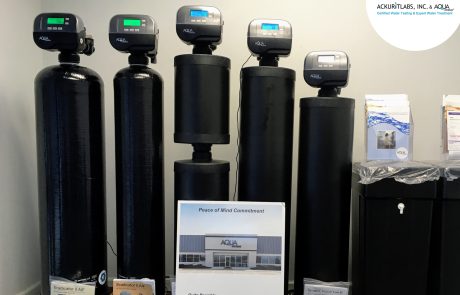
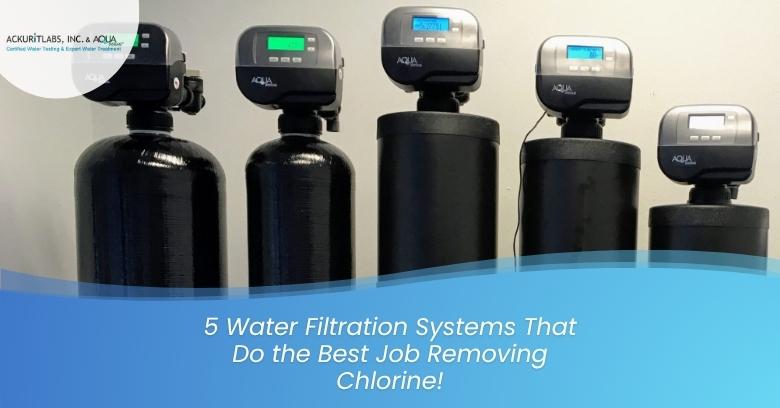
Carbon holds onto certain compounds as supply passes through, which cuts chlorine taste and some odors, and the lab or the utility report can say. Carbon has a limited capacity, and once it is spent, it stops doing its job, and the provider can estimate a schedule.
The Filter Under the Cap: Reading the Micron Number
The simplest way to protect a pump, a softener or a fixture is usually a sediment screen ahead of it; a series of coarse then fine elements spreads the load. The installer chooses which element goes first, because a clogged first stage starves the rest; keep a spare cartridge on a shelf.
High-Pressure Polishing – Storage Tank, Faucet and Drain
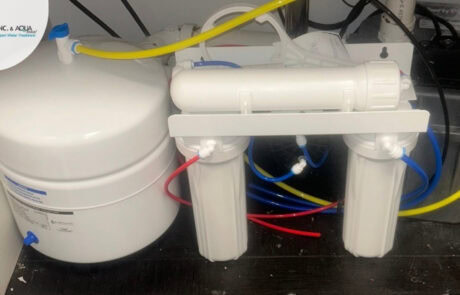
A membrane passes the liquid and rejects a large share of dissolved salts and other solids; the rejected stream runs to a drain, so a connection to the sink drain is part of the installation. Pre-filters protect the membrane, and replacing them on time protects the system; a leak sensor is a sensible add-on.
Oxidation Systems: What the Installer Sets Up
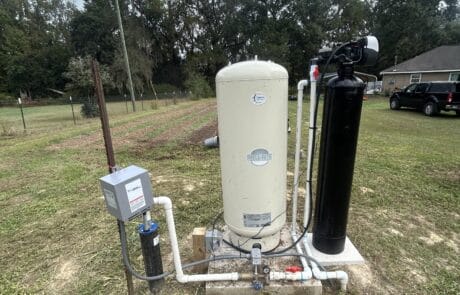
Where a well carries iron, sulfur or microbes, injecting chlorine is a long-established approach, and the dose is set from lab readings. A backwashing filter often follows, clearing the particles the reaction produces, and chemical equipment is installed and set up with care.
Treating Everything or Just the Faucet: What Each Layout Covers
A unit at the main line treats every tap, the shower, the washer and the water heater; the flow at the entry is worth measuring before ordering. Smaller units at one sink target what people drink, leaving the rest of the plumbing alone, and it shows which walls and lines are involved.
Matching the Unit to the House – People, Fixtures and Usage
Equipment is rated by how fast supply can pass through it and by how much it can treat before servicing; the number of bathrooms and people is part of the calculation. An undersized system forces flow past the media too fast, which weakens the result, and an installer should explain why a particular size was chosen.
Plumbing, Power and Drain Needs: Bypass Valves, Drains and Outlets
Shutoffs on both sides of a unit make servicing simple; a drain line, an air gap and a nearby outlet come with a softener. Checking with the local office is sensible before anything is cut or glued, and access for servicing should be planned from the start.
Two Starting Points: Different Problems, Different Gear
Private wells deliver untreated groundwater, which can carry iron, sulfur, hardness and microbes, and the right system differs accordingly. Equipment picked from a neighbor's experience may not suit a different source; neighbors on the same aquifer can still differ.
Hurricane-Season Readiness: Planning Before the Season
A unit left without power may skip a scheduled recharge, which leaves the media tired when flow resumes; a quick look at the salt level and the drain line completes the check. If floodwater covered the wellhead, the supply itself needs a fresh lab sample, and the provider can describe what a post-storm check involves.
Day-to-Day Presence: Tanks, Hums and Cabinets
Pumps and metering equipment hum when they work, so placement matters for bedrooms and offices; a garage, a utility closet or a pump house is the usual home. Equipment is easiest to live with when the controls and the drain sit where a person can reach them; measure doors and hallways as well.
Inherited Hardware: Planning a Sensible Sequence
A house may come with equipment that nobody remembers installing, so a look at the labels is the first step, which helps weigh a repair against a new unit. New components usually have to fit the pipe sizes, the pressure and the drain already in place; nothing is replaced without a reason.
Treatment at Business Scale: Boilers, Ice Machines and Kitchens
Commercial installations are usually specified on paper, with flow rates and targets spelled out; a duplex arrangement keeps soft supply flowing through each recharge. Written procedures and a labeled schematic make handovers between staff smoother, and it supports any later troubleshooting.
Maintenance Rhythm: Salt, Cartridges and Media
Resin beads age slowly, and cartridges and pre-filters age quickly; the manual lists intervals, though a heavy load shortens them. If stains come back, or the taste creeps back, something in the chain has used up its capacity; an annual look at the controls is sensible.
Proof After Installation: Tracking Performance
A sample collected after the system is running shows whether the problem was solved; a retest a few months in shows whether the system is holding. Expect a number lower than before, not necessarily a number of zero; the file is useful for a future sale.
What Equipment Cannot Do: Questions for Any Seller
Equipment performs within limits set by its design, the supply and the upkeep; compare the data sheet with your lab report. A fair provider will tell you when equipment is not the fix, or not the whole fix, and a plain no is sometimes the most useful answer.
What to Ask at the Door – Written Answers Preferred
- Which lab results is the proposal based on, and which items does it address; ask for the reasoning in writing.
- Who installs the equipment, and who services it after the job is done, and how can questions be raised afterward.
- Where should the paperwork for the system be stored; write the answers down.
Talking It Through: Questions Are the Starting Point
Dial Ackuritlabs And Aqua Systems at 850-616-2634 and ask what to collect before any equipment is chosen.
Pulling the Threads – the Sequence That Works
Every lasting installation rests on a clear diagnosis, a suitable size and regular care, because each property in Havana Florida has its own story, whatever any page says about Water Softener Installation. Questions are welcome at 850-616-2634, where Ackuritlabs And Aqua Systems can lay out the options; the details you share shape the advice.
Verified

Verified
Verified
Verified
Verified