Thinking About Whole House Water Filtration Installation in Madison Florida?
Equipment gets chosen to fix a measured problem, and the fix is only as good as the diagnosis behind it; the sections below put the options in plain language.
Phone Ackuritlabs And Aqua Systems at 850-616-2634 and say whether the supply is a well or a city line.
The Step Ahead of the Purchase: Why Skipping It Backfires
Orange stains, chalky scale and a swampy smell can each have a separate cause, and each calls for different gear, which keeps the proposal tied to evidence. Where no result exists yet, a provider can often suggest what to measure; patience at this stage tends to save money later.
The Salt-Based Softener: a Bed of Beads and a Brine Tank
The beads in a softener hold hardness minerals until they are rinsed clean, and a salt or potassium brine recharges the bed on a schedule. Where a softener is sized correctly, white crust becomes much less of a chore, and it will not change the taste of the supply on its own.
Conditioning Instead of Softening – Changing How Scale Forms
Nothing is exchanged, so the lab number for hardness reads the same before and after; people choose these devices to avoid salt, brine discharge and a drain connection. Expect scale to be reduced rather than eliminated, and expect no change in how soap lathers; asking for a plain description of the outcome avoids disappointment.
Carbon Filtration – Contact Time and Capacity
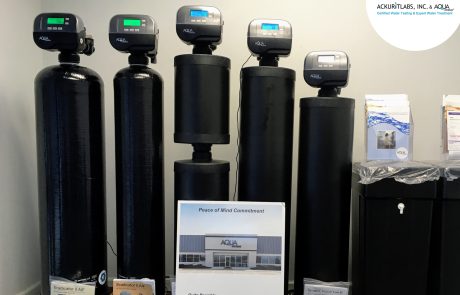
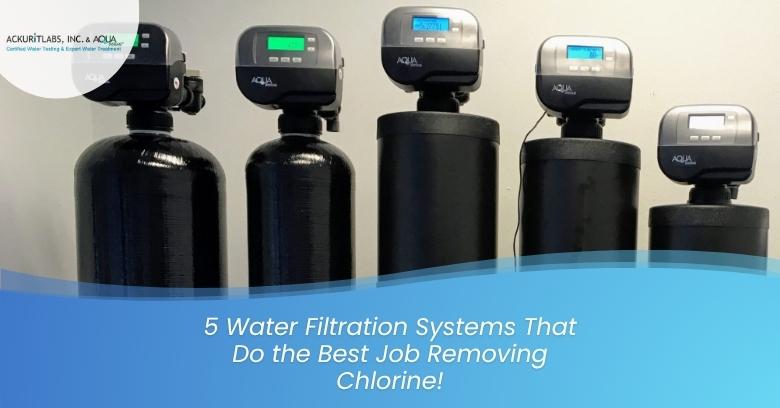
Filters based on carbon are the usual choice for chlorine taste and many household odors; each type of carbon targets specific compounds, so the media is picked to suit the finding. Capacity depends on how much is in the supply and how much a household uses, and the maker's change interval is a guide, not a promise.
Cartridges and Sediment Filters – Why Order Matters
Sediment cartridges screen out sand, rust flakes and silt before they reach appliances; a series of coarse then fine elements spreads the load. The installer chooses which element goes first, because a clogged first stage starves the rest, and a pressure gauge on each side of the housing makes that visible.
Membrane Systems: Fair Expectations
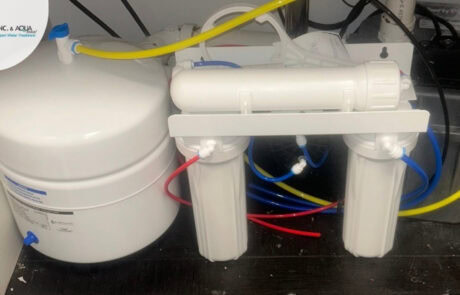
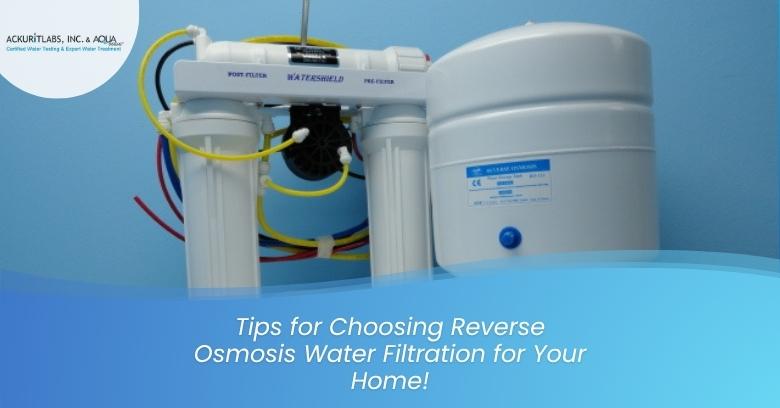
The membrane is the center of the system, flanked by pre-filters and a final carbon stage, while larger units serve whole buildings. Reverse osmosis units reduce many dissolved substances, though performance varies by model and by supply; ask for the maintenance schedule in writing.
Injectors and Contact Tanks: a Metering Pump and a Retention Tank
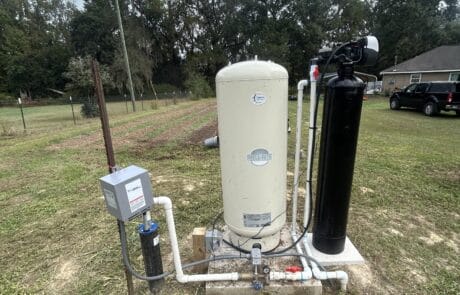
The setup pairs a feed pump with a retention tank so the chlorine has time to work; the chlorine oxidizes iron and sulfide into forms that can be filtered out. A backwashing filter often follows, clearing the particles the reaction produces, and chemical equipment is installed and set up with care.
Treating Everything or Just the Faucet – One Tap, One Sink, One Appliance
Everything inside the building sees treated flow when equipment sits at the entry, and the machinery needs floor space near the main shutoff. Smaller units at one sink target what people drink, leaving the rest of the plumbing alone; ask for a simple diagram of the plan.
Choosing a Capacity – People, Fixtures and Usage
Treating the household's peak demand, not its average, keeps pressure from dropping; a bigger tank may be the practical answer. A well-matched system suits the building rather than the biggest model on offer, and a vague one deserves a follow-up question.
Practical Requirements: Tying Into Existing Lines
Shutoffs on both sides of a unit make servicing simple; the walk-through before work matters. Codes affect drain connections, backflow protection and the placement of equipment; leave room to open the tank lid and swap a cartridge.
Supply Source Matters: Different Problems, Different Gear
City lines usually deliver a steady, disinfected supply, so the complaints tend to be taste and scale, whereas chlorine and chloramine lead the list on a city line. Because the two sources differ, the same product can be a great fit on one and wasted on the other; each property gets its own plan.
Hurricane-Season Readiness: Controllers, Pumps and Flooding
Softeners and filters with electronic controllers can lose their settings in a long outage unless a backup battery holds them; checking the time and the settings after power returns takes a minute. Silt in a housing, a wet motor or a corroded joint can turn a repair into a replacement; photographs taken before the season make later comparisons easier.
Day-to-Day Presence: Keeping the Area Tidy
Pumps and metering equipment hum when they work, so placement matters for bedrooms and offices, which is worth thinking through before delivery. A tidy installation labels valves, supports the plumbing and keeps the area dry; a tank that cannot get through a doorway is a common surprise.
Upgrading What Is Already There: Planning a Sensible Sequence
Older units may still work but have worn parts, such as seals, valves, resin or membranes, which helps weigh a repair against a new unit. A sediment screen or a carbon stage can often be added without replacing everything; ask for a plain list of what changes and what stays.
Treatment at Business Scale – Keeping Service Running
Business equipment is sized for higher flows and often arranged in pairs so one tank can work while the other recharges, and a drawing of the proposed layout is a reasonable request. Written procedures and a labeled schematic make handovers between staff smoother; ask what monitoring the equipment offers.
Upkeep – Setting Reminders
Soft supply depends on a brine tank that is kept stocked; a label on each housing with the install date helps. Any change from how the system used to behave is the cue to check it; an annual look at the controls is sensible.
Confirming the Result: Tracking Performance
A sample collected after the system is running shows whether the problem was solved; collecting at the same tap, in the same way, keeps the comparison fair. If a reading is still high, the report guides the next adjustment; the file is useful for a future sale.
Honest Limits: Questions for Any Seller
A softener will not make a supply taste different, and a carbon filter will not soften it; ask how that is demonstrated. Anyone selling treatment equipment should be able to explain what it reduces and what it leaves alone, and a plain no is sometimes the most useful answer.
A Short Interview: Details That Separate Good Plans
- Which readings on the report are meant to change, and which are not expected to; vague answers deserve a follow-up.
- Which local rules apply to this installation, and who handles them; a walk-through at the end is reasonable to ask for.
- Which items are checked on a routine visit, and which need special tools; ask about it before work starts.
Getting Advice: Questions Are the Starting Point
Dial Ackuritlabs And Aqua Systems at 850-616-2634 to find out how a system would be planned and sized.
Pulling the Threads: Matching Hardware to the Finding
A dependable setup follows a sequence: measure the supply, pick equipment to suit, install it carefully and test again, and everything above about Whole House Water Filtration Installation in Madison Florida is general background, not a verdict. Call 850-616-2634 to reach Ackuritlabs And Aqua Systems and talk over your situation; the call goes quickly.
Verified

Verified
Verified
Verified
Verified