Looking for Water Softeners Across Madison Florida?
A treatment system is a tool for one job, so the job has to be named before the tool is picked; read on for how the pieces fit together.
Contact Ackuritlabs And Aqua Systems at 850-616-2634 to ask how an installation is planned.
The Order of Operations: Naming the Target
A smell, a stain or a taste is a symptom, and the symptom alone rarely identifies the cure, and the figure is what a provider uses to size and pick the unit. If the history of the supply is unknown, a baseline panel is the sensible opener, and the choice of equipment follows once the numbers arrive.
The Salt-Based Softener: How the Resin Works
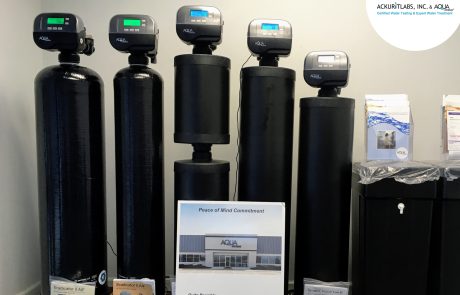
The core of a standard softener is a resin bed that exchanges hardness minerals for a softer ion, and a salt or potassium brine recharges the bed on a schedule. Laundry and dishes tend to come out cleaner where the minerals have been removed; it is not meant to filter out bacteria or chemicals.
Scale Control Without Salt – Setting Expectations
These devices work on how scale sticks, and they do not strip the minerals out, which suits some households and some local rules. Because the minerals remain, soap and shampoo behave as they would on hard supply; ask what the device will not do.
Activated Carbon – Contact Time and Capacity
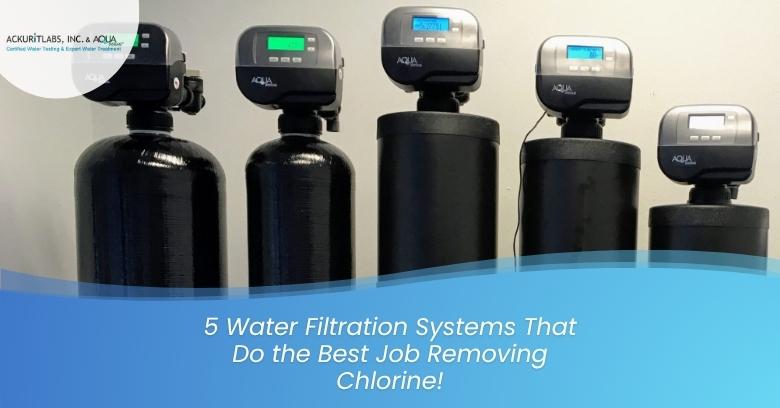
A carbon bed or block is the common answer when a city supply tastes or smells of disinfectant; a catalytic grade is often used where chloramine is the disinfectant. Contact time and flow rate affect results, and a unit pushed too hard performs worse; keeping a date on the housing is a good habit.
The Filter Under the Cap – Catching Grit Before It Travels On
The simplest way to protect a pump, a softener or a fixture is usually a sediment screen ahead of it; the rating, given in microns, states how small a particle the element is built to catch. Pressure falls as an element loads up, which is the practical signal to swap it; replacements are sold by size, so note the model.
Membrane Systems – Storage Tank, Faucet and Drain
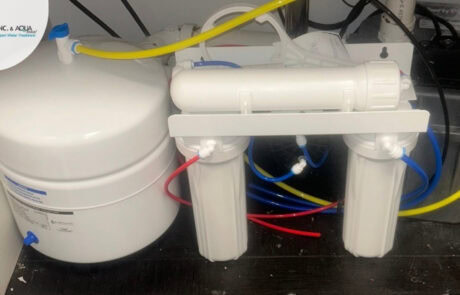
A small pump or the line pressure drives the flow through a membrane with extremely fine pores; the rejected stream runs to a drain, so a connection to the sink drain is part of the installation. A lab test before and after is the reliable way to know what a particular system achieves, and the reject volume is worth asking about.
Injectors and Contact Tanks: Why Dose Control Matters
The setup pairs a feed pump with a retention tank so the chlorine has time to work; time in the tank is what makes the reaction complete. The final stage polishes taste and removes what remains of the disinfectant, and the setup should be checked after the first weeks.
Whole-House or Single-Tap: Planning the Pipe Run
Everything inside the building sees treated flow when equipment sits at the entry; scale, iron and chlorine are the usual reasons to go this route. Many households combine both: a main-line device for scale and a sink model for taste, and it shows which walls and lines are involved.
Choosing a Capacity: Gallons per Minute and Grains
The size of the housing and the volume of media set how much a system can handle; a unit that is too small shortens the time between regenerations. When a unit is too small, pressure falls at fixtures during busy mornings; the sizing is not a mystery.
Installation Details: Tying Into Existing Lines
Most systems need a bypass valve so the plumbing can keep flowing during service; the walk-through before work matters. Whoever does the installation should be able to say what the local rules ask for; leave room to open the tank lid and swap a cartridge.
Supply Source Matters: Chlorine Added or Not
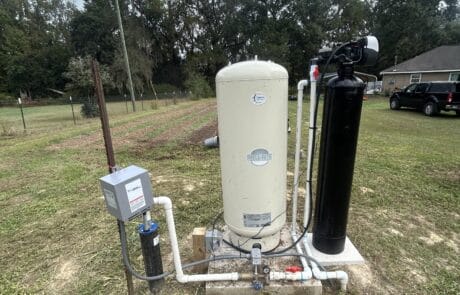
Private wells deliver untreated groundwater, which can carry iron, sulfur, hardness and microbes; wells also bring a pump and a pressure tank into the plan. A quick description of the plumbing path is enough to start the right conversation; each property gets its own plan.
Weather and the Equipment Room: Controllers, Pumps and Flooding
Softeners and filters with electronic controllers can lose their settings in a long outage unless a backup battery holds them, and the manual shows how to reset the controller. A flooded system should be shut off and checked before use, since damage is not always visible; photographs taken before the season make later comparisons easier.
Noise, Space and Appearance – Reaching the Controls
Pumps and metering equipment hum when they work, so placement matters for bedrooms and offices, and a level pad keeps tanks from shifting. A tidy installation labels valves, supports the plumbing and keeps the area dry; a tank that cannot get through a doorway is a common surprise.
An Older System in the Garage: Compatibility With Present Plumbing
Equipment bought long ago was chosen for a supply that may have changed since, and the provider can often read the date code. Adding a stage to an existing setup requires attention to order, flow rate and pressure drop, and old manuals are worth saving.
Treatment at Business Scale: Boilers, Ice Machines and Kitchens
Boilers, cooling equipment and ice makers can be sensitive to scale, which shapes the design; a duplex arrangement keeps soft supply flowing through each recharge. Written procedures and a labeled schematic make handovers between staff smoother, because early warning beats a repair.
Routine Care – Setting Reminders
Resin beads age slowly, and cartridges and pre-filters age quickly; a simple calendar reminder prevents most lapses. Warning signs include a return of the old taste, scale reappearing and a drop in pressure, and a service call beats a failed system.
Closing the Loop: Before and After Side by Side
A sample collected after the system is running shows whether the problem was solved; collecting at the same tap, in the same way, keeps the comparison fair. Expect a number lower than before, not necessarily a number of zero; store copies where they can be found.
Where Hardware Stops: No Single Device Fixes Everything
Each technology removes some things and leaves others, so a layered setup is common; ask for the specific substances a product addresses. Honest answers sound specific, and vague answers sound like a sales line; weigh each source on how specific it is.
Comparing Proposals – Written Answers Preferred
- Is the recommended size tied to the lab figures and the household's flow, and the proposal should say so on paper.
- Who installs the equipment, and who services it after the job is done; clear scope prevents surprises.
- Which items are checked on a routine visit, and which need special tools; each of these is worth asking.
A Call Before a Purchase – Share Your Lab Report
Speak with Ackuritlabs And Aqua Systems at 850-616-2634 to ask what a sensible first step would be for your supply.
What to Remember – Upkeep Keeps It Working
A dependable setup follows a sequence: measure the supply, pick equipment to suit, install it carefully and test again; whatever has brought you to read about Water Softeners near Madison Florida, a short call sorts out where to begin. Questions are welcome at 850-616-2634, where Ackuritlabs And Aqua Systems can lay out the options, and share what the lab report shows.
Verified

Verified
Verified
Verified
Verified