Looking for Commercial Water Treatment Company in Florida Panhandle?
A treatment system is a tool for one job, so the job has to be named before the tool is picked, and the sections below cover sizing, setup and upkeep.
Dial Ackuritlabs And Aqua Systems at 850-616-2634 and say whether the supply is a well or a city line.
The Step Ahead of the Purchase – Results Decide the Hardware
A smell, a stain or a taste is a symptom, and the symptom alone rarely identifies the cure; having a report on hand speeds everything up. Where no result exists yet, a provider can often suggest what to measure; skipping ahead is where most mismatches begin.
Taking Out Hardness: How the Resin Works
Hardness minerals stick to a charged resin, which swaps them for sodium or potassium ions, and the stored brine is topped up with salt as needed. Softened supply leaves less scale on fixtures, glass and heating elements, and it will not change the taste of the supply on its own.
Conditioning Instead of Softening – Changing How Scale Forms
Nothing is exchanged, so the lab number for hardness reads the same before and after, and maintenance is limited to replacing the media on a schedule. Because the minerals remain, soap and shampoo behave as they would on hard supply; being clear on this point prevents disputes later.
The Charcoal Option: Matching Carbon to the Target
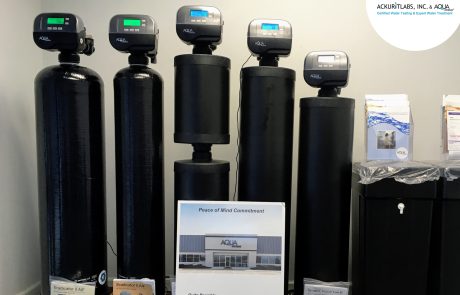
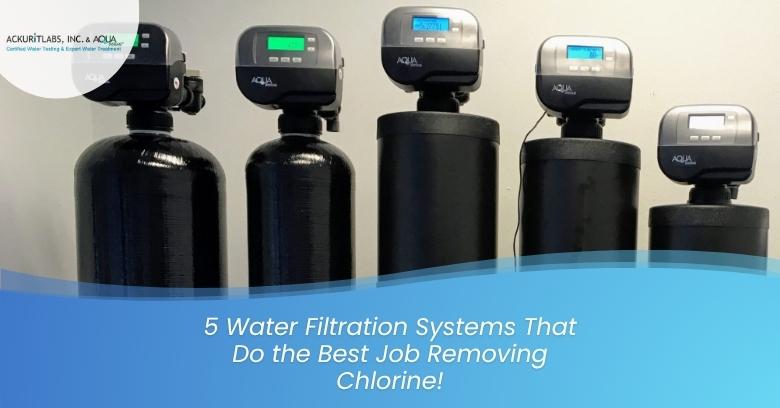
Filters based on carbon are the usual choice for chlorine taste and many household odors; it helps to know what the utility adds. Every carbon filter eventually fills up, so replacement or backwashing is part of owning one, and the provider can estimate a schedule.
Spun, Pleated and Wound Media – Catching Grit Before It Travels On
Sediment cartridges screen out sand, rust flakes and silt before they reach appliances; a series of coarse then fine elements spreads the load. Pressure falls as an element loads up, which is the practical signal to swap it; keep a spare cartridge on a shelf.
Drinking Supply Upgrades: Pressure, Membrane and Reject Stream
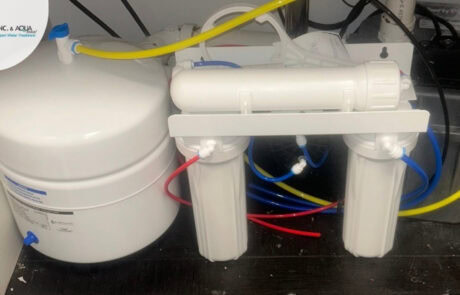
A small pump or the line pressure drives the flow through a membrane with extremely fine pores, and a small storage tank holds finished supply for the dedicated faucet. Reverse osmosis units reduce many dissolved substances, though performance varies by model and by supply; ask for the maintenance schedule in writing.
Chlorination: a Metering Pump and a Retention Tank
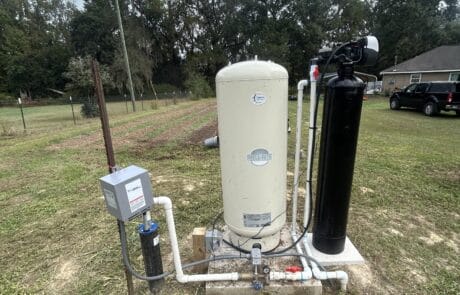
The setup pairs a feed pump with a retention tank so the chlorine has time to work; the chlorine oxidizes iron and sulfide into forms that can be filtered out. Where the supply is meant for drinking, the leftover chlorine is filtered off; chemicals are stored and handled according to the label.
Whole-House or Single-Tap: What Each Layout Covers
Point-of-entry installations deal with problems that affect the entire plumbing system, and the machinery needs floor space near the main shutoff. Where only one fixture matters, a compact installation avoids treating the whole house, and the two approaches work well together.
Peak Demand Math: What Undersizing Looks Like
A unit has two numbers that matter: a peak flow rating and a capacity between cleanings; a unit that is too small shortens the time between regenerations. An undersized system forces flow past the media too fast, which weakens the result; the sizing is not a mystery.
Practical Requirements: Bypass Valves, Drains and Outlets
Most systems need a bypass valve so the plumbing can keep flowing during service; chlorine feed pumps and contact tanks add their own requirements. Permits or inspections can be required in some jurisdictions, depending on the work, and clear labels on valves help the next person.
Two Starting Points: Different Problems, Different Gear
Raw well supply brings the chemistry of the ground straight to the plumbing, and the right system differs accordingly. Because the two sources differ, the same product can be a great fit on one and wasted on the other; each property gets its own plan.
When the Lights Go Out – Protecting Gear From Surge and Silt
Softeners and filters with electronic controllers can lose their settings in a long outage unless a backup battery holds them; checking the time and the settings after power returns takes a minute. A flooded system should be shut off and checked before use, since damage is not always visible; ask the installer what to do before a storm.
Living With the Equipment: Garages, Closets and Mechanical Rooms
A recharge brings gurgling and flowing noises for a spell, usually at a scheduled hour; a garage, a utility closet or a pump house is the usual home. Some owners build a small enclosure, though it must not block air or access; a tank that cannot get through a doorway is a common surprise.
Working With Existing Equipment – Keep, Repair or Replace
A house may come with equipment that nobody remembers installing, so a look at the labels is the first step, and the provider can often read the date code. The simplest upgrade is often a fresh set of cartridges or media, not a new system; ask for a plain list of what changes and what stays.
Commercial Systems: Duplex Tanks and Bigger Flows
Business equipment is sized for higher flows and often arranged in pairs so one tank can work while the other recharges; a duplex arrangement keeps soft supply flowing through each recharge. Commercial owners usually want service records, so the system should make them easy to keep, and it supports any later troubleshooting.
Keeping Equipment in Shape: What Gets Neglected
Resin beads age slowly, and cartridges and pre-filters age quickly; the manual lists intervals, though a heavy load shortens them. Noisy valves, salt bridges in the tank and slow flow are signs worth a look; do not wait for a complete failure.
Confirming the Result: Before and After Side by Side
Measurements taken after setup show the change in black and white, which matters for cartridges and media that wear. Some substances respond well and others hardly at all, which the new figures reveal; the file is useful for a future sale.
Limits to Keep in Mind – Read the Fine Print
Marketing language tends to be broader than what a product actually does; read the data sheet, not just the front of the box. If a proposal does not mention the lab results, ask how it was reached; clear explanations are the best sign.
Questions for a Provider: Points Worth Raising
- Which readings on the report are meant to change, and which are not expected to, and the proposal should say so on paper.
- Who installs the equipment, and who services it after the job is done, and how can questions be raised afterward.
- What signs should prompt a call before the next scheduled check; write the answers down.
A Call Before a Purchase: Describe the Problem First
Contact Ackuritlabs And Aqua Systems at 850-616-2634 and ask what to collect before any equipment is chosen.
Pulling the Threads: Next Steps
Matching a device to a lab result, sizing it to the building and keeping up with upkeep is the whole recipe; this page on Commercial Water Treatment Company in Florida Panhandle is a starting point, and the details of each property decide the rest. You can speak with Ackuritlabs And Aqua Systems at 850-616-2634 about your plumbing and your goals, and share what the lab report shows.