Weighing Options for Chlorination System Installation in Havana Florida?
Each piece of hardware on the market answers a particular complaint, and none answers all of them; the sections below describe what each option does and where it stops.
Speak with Ackuritlabs And Aqua Systems at 850-616-2634 to talk through what the tap has been doing.
The Step Ahead of the Purchase – Results Decide the Hardware
Equipment bought off a shelf may handle a different problem than the one at the tap, and the figure is what a provider uses to size and pick the unit. A first conversation commonly ends with advice on what to sample before the next step; skipping ahead is where most mismatches begin.
Taking Out Hardness: Regeneration in Plain Terms
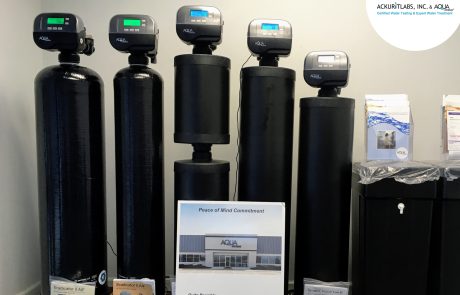
Inside the tank, tiny resin beads attract the minerals that cause scale and give up sodium or potassium in return; when the beads fill up, a brine rinse flushes the captured minerals to a drain. Scale buildup on heaters, kettles and shower heads slows down where hardness has been removed; other equipment handles those jobs.
Alternatives to the Brine Tank: What They Do and Do Not Do
A salt-free unit does not remove calcium or magnesium; it alters how those minerals behave; people choose these devices to avoid salt, brine discharge and a drain connection. Anyone expecting the soft feel of a true softener should know the two are different things; being clear on this point prevents disputes later.
Carbon Filtration: Why Cartridges Run Out
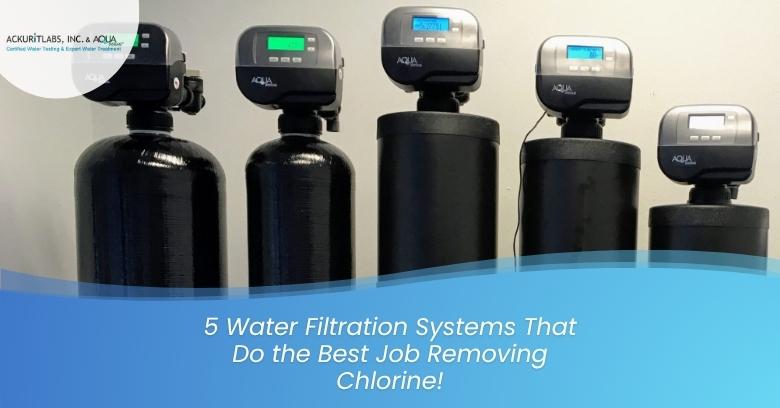
A carbon bed or block is the common answer when a city supply tastes or smells of disinfectant, and ordinary carbon handles free chlorine more easily than chloramine. Contact time and flow rate affect results, and a unit pushed too hard performs worse, and the maker's change interval is a guide, not a promise.
Spun, Pleated and Wound Media: Keeping Spare Elements
Particle filters are the first stage in many systems, catching whatever would clog the rest, which lets each cartridge last longer. Putting stages in the wrong order shortens the life of the costlier cartridge; replacements are sold by size, so note the model.
Reverse Osmosis: Fair Expectations
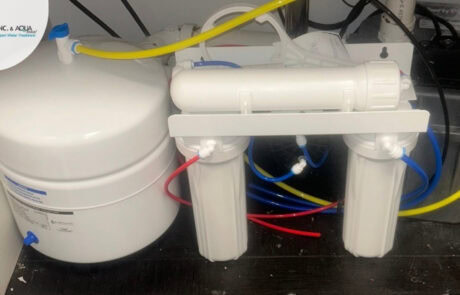
A small pump or the line pressure drives the flow through a membrane with extremely fine pores, and a small storage tank holds finished supply for the dedicated faucet. Reverse osmosis units reduce many dissolved substances, though performance varies by model and by supply; a leak sensor is a sensible add-on.
Treating Iron, Sulfur and Microbes: What the Installer Sets Up
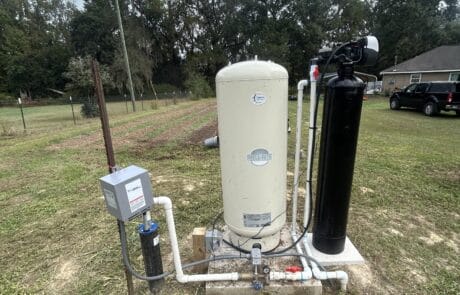
The setup pairs a feed pump with a retention tank so the chlorine has time to work, and it also acts on bacteria in the supply. Residual chlorine has to be removed afterward, and a carbon filter normally takes that job; a wrong dose helps nobody.
Point of Entry Versus Point of Use: What Each Layout Covers
Everything inside the building sees treated flow when equipment sits at the entry; the flow at the entry is worth measuring before ordering. Smaller units at one sink target what people drink, leaving the rest of the plumbing alone, and the two approaches work well together.
Matching the Unit to the House – Pressure Drop and Pace
Equipment is rated by how fast supply can pass through it and by how much it can treat before servicing; a bigger tank may be the practical answer. An undersized system forces flow past the media too fast, which weakens the result; the sizing is not a mystery.
Plumbing, Power and Drain Needs – Codes and Neighbors
Valves around the equipment allow it to be taken out of service in minutes; chlorine feed pumps and contact tanks add their own requirements. Whoever does the installation should be able to say what the local rules ask for; measure before ordering.
What Changes by Source: Planning Around the Source
A well has no utility between it and the tap, so equipment often handles more of the load; sediment and iron tend to be the early concerns. A quick description of the plumbing path is enough to start the right conversation; photos of the existing equipment help.
Storms and Power Interruptions – Resetting the Clock and the Valve
Many controllers keep their program in memory for a short while, and then need to be set again, and a surge protector on the outlet is sensible protection for the electronics. Silt in a housing, a wet motor or a corroded joint can turn a repair into a replacement; photographs taken before the season make later comparisons easier.
Noise, Space and Appearance – Reaching the Controls
Pumps and metering equipment hum when they work, so placement matters for bedrooms and offices; a garage, a utility closet or a pump house is the usual home. Sunlight can damage clear housings and warm the supply, so shade is sensible outdoors, and the installer can suggest a layout.
Working With Existing Equipment: Planning a Sensible Sequence
Equipment bought long ago was chosen for a supply that may have changed since, which helps weigh a repair against a new unit. Adding a stage to an existing setup requires attention to order, flow rate and pressure drop; photographs of the current setup speed up the first conversation.
When a Property Has Many Users – Keeping Service Running
Larger buildings may need several tanks and manifolds, not one household unit; a duplex arrangement keeps soft supply flowing through each recharge. A property manager benefits from a maintenance plan that lists tasks, intervals and who does them, because early warning beats a repair.
Upkeep: Salt, Cartridges and Media
Every type of equipment has a consumable: salt for softeners, cartridges for filters, membranes for osmosis units; a simple calendar reminder prevents most lapses. Noisy valves, salt bridges in the tank and slow flow are signs worth a look, and a service call beats a failed system.
Confirming the Result – Filing the Evidence
Measurements taken after setup show the change in black and white; a retest a few months in shows whether the system is holding. If a reading is still high, the report guides the next adjustment; dates on everything keep the record clear.
Limits to Keep in Mind: No Single Device Fixes Everything
No single device removes every substance, and a pitch that one box covers everything deserves doubt; read the data sheet, not just the front of the box. Honest answers sound specific, and vague answers sound like a sales line; weigh each source on how specific it is.
Questions for a Provider: Details That Separate Good Plans
- Is the recommended size tied to the lab figures and the household's flow, and the proposal should say so on paper.
- What parts and consumables are needed, and how often do they need replacing; a walk-through at the end is reasonable to ask for.
- Which items are checked on a routine visit, and which need special tools, and what does it say about future servicing.
Planning a System – One Call Sorts Out Next Steps
Speak with Ackuritlabs And Aqua Systems at 850-616-2634 to find out how a system would be planned and sized.
What to Remember: Test, Choose, Install, Confirm
Matching a device to a lab result, sizing it to the building and keeping up with upkeep is the whole recipe; whatever has brought you to read about Chlorination System Installation near Havana Florida, a short call sorts out where to begin. To get started, reach Ackuritlabs And Aqua Systems at 850-616-2634; mention whether the supply is a well or a utility line.
Verified

Verified
Verified
Verified
Verified