Shopping for Salt-Free Water Softener for a Property in Florida Panhandle?
Good installations start from a lab result and work toward a device that suits it; the sections below put the options in plain language.
Contact Ackuritlabs And Aqua Systems at 850-616-2634 and describe the stains, scale or smells you want gone.
The Order of Operations: a Lab Number Beats a Guess
A smell, a stain or a taste is a symptom, and the symptom alone rarely identifies the cure; a sample sent to a laboratory turns a guess into a figure. Where no result exists yet, a provider can often suggest what to measure; skipping ahead is where most mismatches begin.
Taking Out Hardness – What It Fixes and What It Leaves
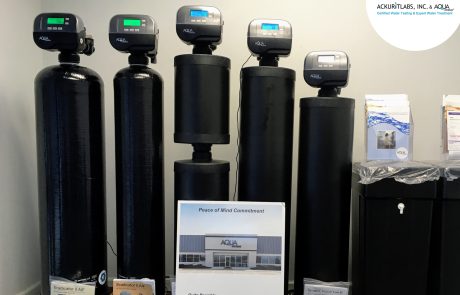
The core of a standard softener is a resin bed that exchanges hardness minerals for a softer ion; a control valve decides when to regenerate by clock or by usage. Less mineral reaching the pipes also means less deposit inside them; it is not meant to filter out bacteria or chemicals.
Scale Control Without Salt: No Drain, No Salt, Different Results
Nothing is exchanged, so the lab number for hardness reads the same before and after; people choose these devices to avoid salt, brine discharge and a drain connection. The results are described best as less crust, not no crust, and it helps compare options fairly.
Adsorption Media – Granular Beds and Blocks
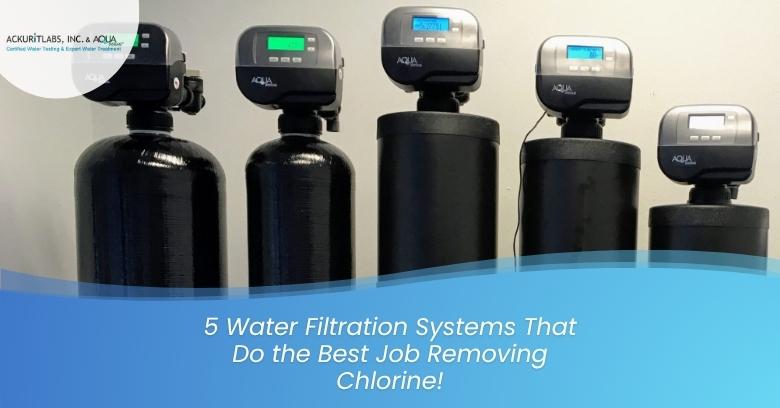
A carbon bed or block is the common answer when a city supply tastes or smells of disinfectant; it helps to know what the utility adds. Capacity depends on how much is in the supply and how much a household uses, and the maker's change interval is a guide, not a promise.
Spun, Pleated and Wound Media: Keeping Spare Elements
Particle filters are the first stage in many systems, catching whatever would clog the rest, which lets each cartridge last longer. The installer chooses which element goes first, because a clogged first stage starves the rest; replacements are sold by size, so note the model.
High-Pressure Polishing: Fair Expectations
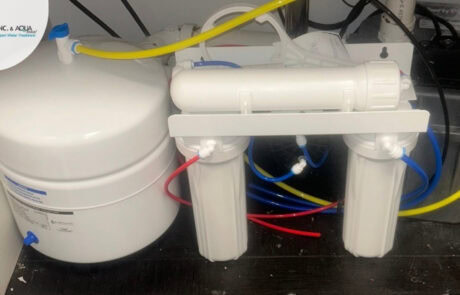
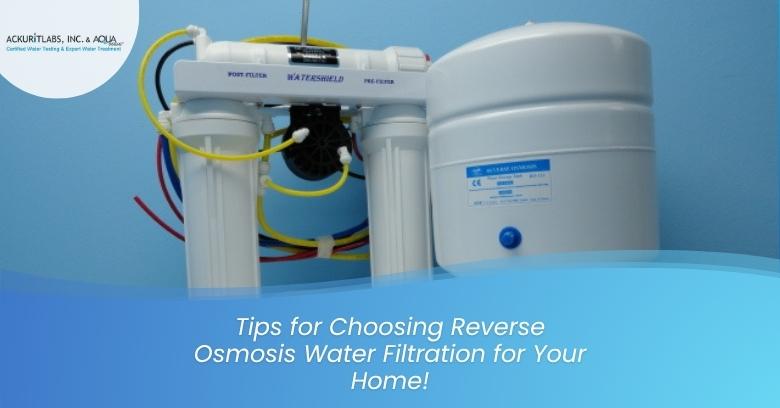
Dissolved solids stay on one side of the membrane and get flushed away; most home units sit under a sink and serve one tap. Pre-filters protect the membrane, and replacing them on time protects the system, and the reject volume is worth asking about.
Injectors and Contact Tanks – Time, Dose and Cleanup
A metering pump feeds sodium hypochlorite into the flow, and a tank gives it time to react; the tank is sized to the flow of the well. After the contact tank, a carbon stage strips leftover chlorine so the tap smells clean, and chemical equipment is installed and set up with care.
Scope of a System – Matching Scope to Need
Everything inside the building sees treated flow when equipment sits at the entry; the flow at the entry is worth measuring before ordering. A point-of-use unit serves a single faucet, usually the kitchen, and suits drinking and cooking; ask for a simple diagram of the plan.
Matching the Unit to the House – Pressure Drop and Pace
A unit has two numbers that matter: a peak flow rating and a capacity between cleanings; a bigger tank may be the practical answer. An undersized system forces flow past the media too fast, which weakens the result, and a vague one deserves a follow-up question.
What the Job Requires: the Checklist Behind a Clean Install
Most systems need a bypass valve so the plumbing can keep flowing during service; chlorine feed pumps and contact tanks add their own requirements. Codes affect drain connections, backflow protection and the placement of equipment, and access for servicing should be planned from the start.
What Changes by Source: Planning Around the Source
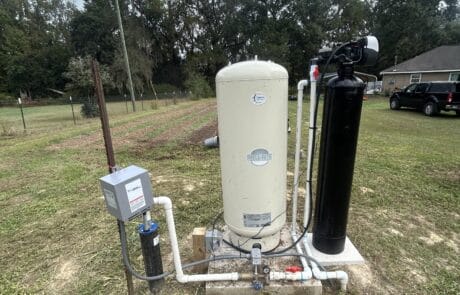
Private wells deliver untreated groundwater, which can carry iron, sulfur, hardness and microbes, and equipment has to work with the pump's pressure and flow. A quick description of the plumbing path is enough to start the right conversation; each property gets its own plan.
Weather and the Equipment Room – Protecting Gear From Surge and Silt
Pumps, injectors and controllers all depend on electricity, and an outage pauses every one of them, since a stuck valve is easier to catch early. A flooded system should be shut off and checked before use, since damage is not always visible; photographs taken before the season make later comparisons easier.
Practical Details Homeowners Ask About: Tanks, Hums and Cabinets
Pumps and metering equipment hum when they work, so placement matters for bedrooms and offices, which is worth thinking through before delivery. Sunlight can damage clear housings and warm the supply, so shade is sensible outdoors; a sketch of the space helps the planning.
Upgrading What Is Already There: Planning a Sensible Sequence
Equipment bought long ago was chosen for a supply that may have changed since, and the readings guide whether to repair, keep or replace. New components usually have to fit the pipe sizes, the pressure and the drain already in place, and old manuals are worth saving.
Treatment at Business Scale: Written Specifications
Commercial installations are usually specified on paper, with flow rates and targets spelled out, and a drawing of the proposed layout is a reasonable request. Written procedures and a labeled schematic make handovers between staff smoother; ask what monitoring the equipment offers.
Service Schedule: Signs a Unit Needs Attention
Resin beads age slowly, and cartridges and pre-filters age quickly; a simple calendar reminder prevents most lapses. Any change from how the system used to behave is the cue to check it; do not wait for a complete failure.
Closing the Loop: When to Retest
The most reliable verification is a fresh panel run on the same items as before; schedule it when the system goes in. Treatment can reduce certain items without eliminating them, and the report shows by how much; store copies where they can be found.
Limits to Keep in Mind: Questions for Any Seller
Marketing language tends to be broader than what a product actually does; ask for the specific substances a product addresses. A fair provider will tell you when equipment is not the fix, or not the whole fix, and the same standard applies to anything written on this page.
A Short Interview: Points Worth Raising
- Is the recommended size tied to the lab figures and the household's flow; ask for the reasoning in writing.
- What parts and consumables are needed, and how often do they need replacing; get the details itemized.
- How will you know the equipment is working a few months from now; each of these is worth asking.
Getting Advice – Share Your Lab Report
Speak with Ackuritlabs And Aqua Systems at 850-616-2634 to go over the lab report and the symptoms at your tap.
The Short Version – Upkeep Keeps It Working
Good outcomes come from habits worth repeating: testing first, buying second and checking afterward, and for Salt-Free Water Softener in Florida Panhandle the first step is a conversation about the supply and the symptoms. Call 850-616-2634 to reach Ackuritlabs And Aqua Systems and talk over your situation; the details you share shape the advice.