Looking for Whole House Water Filtration Installation Around Midway Florida?
Matching the device to the finding is what separates a useful installation from a blind guess, and the sections below explain how the common options differ.
Call Ackuritlabs And Aqua Systems at 850-616-2634 and say whether the supply is a well or a city line.
Before Any Equipment: Naming the Target
A smell, a stain or a taste is a symptom, and the symptom alone rarely identifies the cure; most reputable providers ask for results before quoting a system. A first conversation commonly ends with advice on what to sample before the next step, and the choice of equipment follows once the numbers arrive.
The Salt-Based Softener – What It Fixes and What It Leaves
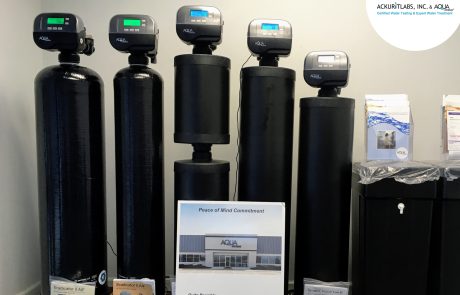
Inside the tank, tiny resin beads attract the minerals that cause scale and give up sodium or potassium in return; a control valve decides when to regenerate by clock or by usage. Less mineral reaching the pipes also means less deposit inside them, and it will not change the taste of the supply on its own.
Template-Assisted Units: an Honest Comparison
Conditioners leave the hardness figure unchanged and change the shape of the crystals that form, though results vary with the water and the model. Anyone expecting the soft feel of a true softener should know the two are different things; being clear on this point prevents disputes later.
Taste and Odor Control: Chlorine, Odors and Organic Traces
Porous carbon traps many organic molecules and chlorine on its surfaces as flow moves across them; it helps to know what the utility adds. Carbon has a limited capacity, and once it is spent, it stops doing its job; a taste that creeps back is the usual reminder.
Spun, Pleated and Wound Media – Why Order Matters
A housing on the line holds a cartridge that screens out particles above a chosen size, and a smaller rating catches finer particles but clogs sooner. The installer chooses which element goes first, because a clogged first stage starves the rest, and a pressure gauge on each side of the housing makes that visible.
The Under-Sink Purifier – Storage Tank, Faucet and Drain
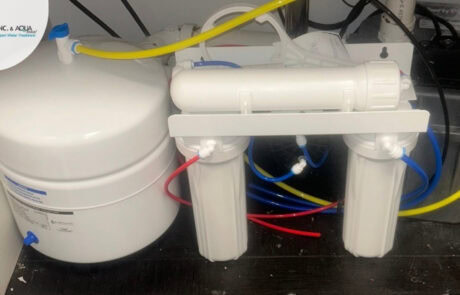
The membrane is the center of the system, flanked by pre-filters and a final carbon stage, and a small storage tank holds finished supply for the dedicated faucet. Some units add minerals back after the membrane to adjust taste; ask for the maintenance schedule in writing.
Injectors and Contact Tanks – Time, Dose and Cleanup
The setup pairs a feed pump with a retention tank so the chlorine has time to work, and it also acts on bacteria in the supply. Where the supply is meant for drinking, the leftover chlorine is filtered off; a wrong dose helps nobody.
Whole-House or Single-Tap: What Each Layout Covers
Point-of-entry installations deal with problems that affect the entire plumbing system; larger tanks and brine cabinets take real room. Smaller units at one sink target what people drink, leaving the rest of the plumbing alone; a layout on paper avoids surprises.
Sizing: What Undersizing Looks Like
A unit has two numbers that matter: a peak flow rating and a capacity between cleanings, along with the hardness or iron level on the lab report. A well-matched system suits the building rather than the biggest model on offer, and an installer should explain why a particular size was chosen.
What the Job Requires – Codes and Neighbors
Good installations include a way to route flow around the unit when needed; a drain line, an air gap and a nearby outlet come with a softener. Checking with the local office is sensible before anything is cut or glued; a tidy install is easier to maintain.
Two Starting Points – Pressure Tanks and Pumps
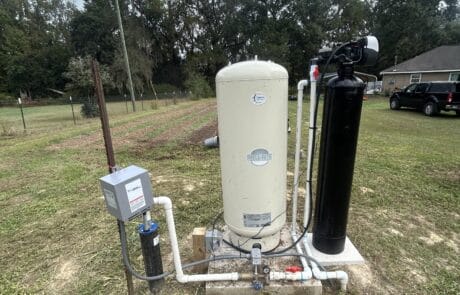
City lines usually deliver a steady, disinfected supply, so the complaints tend to be taste and scale, and equipment has to work with the pump's pressure and flow. A quick description of the plumbing path is enough to start the right conversation; photos of the existing equipment help.
Hurricane-Season Readiness – Resetting the Clock and the Valve
Softeners and filters with electronic controllers can lose their settings in a long outage unless a backup battery holds them, since a stuck valve is easier to catch early. Anything touched by flooding, including a well pump and chemical feed gear, deserves a professional look; ask the installer what to do before a storm.
Living With the Equipment: Tanks, Hums and Cabinets
Pumps and metering equipment hum when they work, so placement matters for bedrooms and offices; clear floor space around a tank makes salt loading simple. Leaving room to open lids, change cartridges and read gauges makes upkeep a quick job; a tank that cannot get through a doorway is a common surprise.
An Older System in the Garage: Test Before Deciding
Older units may still work but have worn parts, such as seals, valves, resin or membranes, which helps weigh a repair against a new unit. Adding a stage to an existing setup requires attention to order, flow rate and pressure drop; ask for a plain list of what changes and what stays.
When a Property Has Many Users: Duplex Tanks and Bigger Flows
Larger buildings may need several tanks and manifolds, not one household unit, and a drawing of the proposed layout is a reasonable request. Training the people on site about shutoffs and alarms prevents small problems from growing, and it supports any later troubleshooting.
Routine Care: What Gets Neglected
Treatment is not a one-time purchase, since something wears out or runs low on every system; adjust to what the supply actually does. Noisy valves, salt bridges in the tank and slow flow are signs worth a look, and a service call beats a failed system.
Verifying What Changed: Tracking Performance
Measurements taken after setup show the change in black and white; a retest a few months in shows whether the system is holding. A result that falls short is information, and it points to what to add or change; dates on everything keep the record clear.
Honest Limits – Matching Promises to Physics
No single device removes every substance, and a pitch that one box covers everything deserves doubt; claims about results should point to a published test method. Anyone selling treatment equipment should be able to explain what it reduces and what it leaves alone; clear explanations are the best sign.
What to Ask at the Door: Details That Separate Good Plans
- What does the proposal assume about hardness, iron and chlorine, and where did those figures come from, and what stays the same afterward.
- What parts and consumables are needed, and how often do they need replacing; a walk-through at the end is reasonable to ask for.
- How will you know the equipment is working a few months from now, and what does it say about future servicing.
Start the Conversation: Questions Are the Starting Point
Dial Ackuritlabs And Aqua Systems at 850-616-2634 and ask what to collect before any equipment is chosen.
The Short Version – Upkeep Keeps It Working
Good outcomes come from habits worth repeating: testing first, buying second and checking afterward, and for Whole House Water Filtration Installation in Midway Florida the first step is a conversation about the supply and the symptoms. To get started, reach Ackuritlabs And Aqua Systems at 850-616-2634; the call goes quickly.
Verified

Verified
Verified
Verified
Verified