Looking for Water Softener Installation in Blountstown Florida?
A treatment system is a tool for one job, so the job has to be named before the tool is picked; the sections below describe what each option does and where it stops.
Call Ackuritlabs And Aqua Systems at 850-616-2634 and describe the stains, scale or smells you want gone.
Diagnosis First: Why Skipping It Backfires
Orange stains, chalky scale and a swampy smell can each have a separate cause, and each calls for different gear, which keeps the proposal tied to evidence. Anyone without a recent report can usually be pointed to a suitable panel first; the equipment decision waits until the numbers are in.
Ion Exchange: How the Resin Works
The core of a standard softener is a resin bed that exchanges hardness minerals for a softer ion, and a salt or potassium brine recharges the bed on a schedule. Softened supply leaves less scale on fixtures, glass and heating elements, and it will not change the taste of the supply on its own.
Template-Assisted Units: What They Do and Do Not Do
Conditioners leave the hardness figure unchanged and change the shape of the crystals that form, which suits some households and some local rules. A conditioner will not give the slick feel that a softened supply has in the shower; being clear on this point prevents disputes later.
Taste and Odor Control: Matching Carbon to the Target
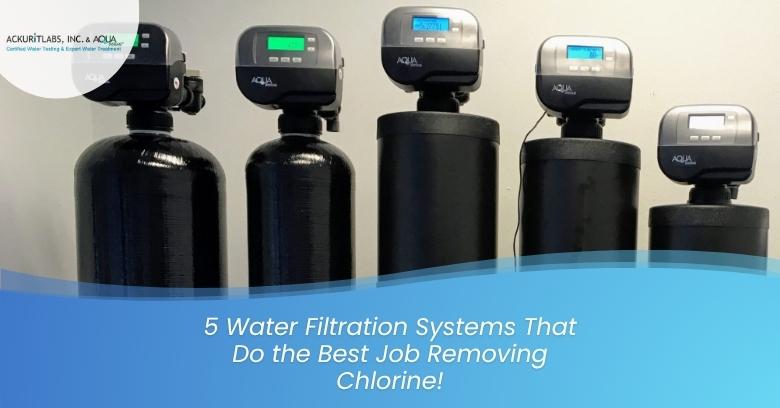
Carbon holds onto certain compounds as supply passes through, which cuts chlorine taste and some odors, and ordinary carbon handles free chlorine more easily than chloramine. Carbon has a limited capacity, and once it is spent, it stops doing its job; a pre-filter often extends the life of the carbon.
Spun, Pleated and Wound Media – Catching Grit Before It Travels On
Sediment cartridges screen out sand, rust flakes and silt before they reach appliances; the rating, given in microns, states how small a particle the element is built to catch. Pressure falls as an element loads up, which is the practical signal to swap it; keep a spare cartridge on a shelf.
High-Pressure Polishing – Storage Tank, Faucet and Drain
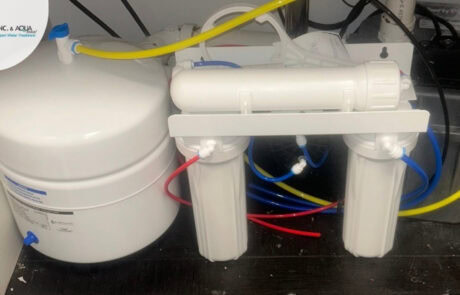
A small pump or the line pressure drives the flow through a membrane with extremely fine pores; the rejected stream runs to a drain, so a connection to the sink drain is part of the installation. Some units add minerals back after the membrane to adjust taste, and the reject volume is worth asking about.
Oxidation Systems: What the Installer Sets Up
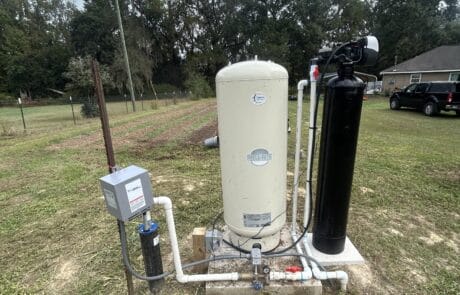
The setup pairs a feed pump with a retention tank so the chlorine has time to work; the tank is sized to the flow of the well. After the contact tank, a carbon stage strips leftover chlorine so the tap smells clean; chemicals are stored and handled according to the label.
Whole-House or Single-Tap – One Tap, One Sink, One Appliance
Point-of-entry installations deal with problems that affect the entire plumbing system; a garage or utility closet often becomes the home. A point-of-use unit serves a single faucet, usually the kitchen, and suits drinking and cooking; the provider can sketch where each unit would go.
Peak Demand Math: Room to Grow
Ratings printed on the label describe the equipment, and the installer matches them to the building; a unit that is too small shortens the time between regenerations. Equipment that is too small works harder and wears out sooner, and an installer should explain why a particular size was chosen.
Plumbing, Power and Drain Needs: the Checklist Behind a Clean Install
Shutoffs on both sides of a unit make servicing simple, and electrical needs vary from a plug-in transformer to a dedicated circuit. Checking with the local office is sensible before anything is cut or glued, and access for servicing should be planned from the start.
Wells Versus City Lines: Different Problems, Different Gear
Private wells deliver untreated groundwater, which can carry iron, sulfur, hardness and microbes, and equipment has to work with the pump's pressure and flow. The provider needs to know which source feeds the house before suggesting anything; photos of the existing equipment help.
Storms and Power Interruptions: What to Check Afterward
Electronic valves keep time with the power, so a clock that resets can trigger recharges at odd hours, and a surge protector on the outlet is sensible protection for the electronics. Equipment that sat in floodwater needs inspection before it goes back into service; photographs taken before the season make later comparisons easier.
Noise, Space and Appearance: Keeping the Area Tidy
Noise from a unit tends to come from the drain line and the valve rather than the tanks, which is worth thinking through before delivery. Equipment is easiest to live with when the controls and the drain sit where a person can reach them; a tank that cannot get through a doorway is a common surprise.
Upgrading What Is Already There: Planning a Sensible Sequence
Many properties already have a tank, a filter housing or an under-sink unit, and the question is whether it still suits the supply, which helps weigh a repair against a new unit. Adding a stage to an existing setup requires attention to order, flow rate and pressure drop, and old manuals are worth saving.
When a Property Has Many Users: Duplex Tanks and Bigger Flows
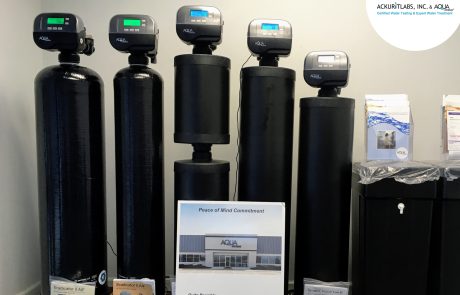
Business equipment is sized for higher flows and often arranged in pairs so one tank can work while the other recharges, and a controller can log regeneration cycles. Written procedures and a labeled schematic make handovers between staff smoother, and the provider can supply those if asked.
Keeping Equipment in Shape: Salt, Cartridges and Media
Every type of equipment has a consumable: salt for softeners, cartridges for filters, membranes for osmosis units; the manual lists intervals, though a heavy load shortens them. Noisy valves, salt bridges in the tank and slow flow are signs worth a look, and a service call beats a failed system.
The Second Sample – Filing the Evidence
The most reliable verification is a fresh panel run on the same items as before, and the lab can run the identical methods again. A result that falls short is information, and it points to what to add or change; store copies where they can be found.
Expectations Worth Setting: Misuse and Misfit
Marketing language tends to be broader than what a product actually does; claims about results should point to a published test method. If a proposal does not mention the lab results, ask how it was reached; clear explanations are the best sign.
A Short Interview – Everything in Writing
- What does the proposal assume about hardness, iron and chlorine, and where did those figures come from; vague answers deserve a follow-up.
- What parts and consumables are needed, and how often do they need replacing; ask for a copy of the manuals too.
- Where should the paperwork for the system be stored; each of these is worth asking.
Getting Advice: Describe the Problem First
Contact Ackuritlabs And Aqua Systems at 850-616-2634 and describe the house, the plumbing and what you want changed.
Bringing It Together – Upkeep Keeps It Working
Good outcomes come from habits worth repeating: testing first, buying second and checking afterward; this page on Water Softener Installation in Blountstown Florida is a starting point, and the details of each property decide the rest. Call 850-616-2634 to reach Ackuritlabs And Aqua Systems and talk over your situation; the call goes quickly.
Verified

Verified
Verified
Verified
Verified