Weighing Options for Commercial Water Filtration Throughout Florida Panhandle?
Matching the device to the finding is what separates a useful installation from a blind guess, and the sections below explain how the common options differ.
Speak with Ackuritlabs And Aqua Systems at 850-616-2634 to ask how an installation is planned.
Diagnosis First: Naming the Target
Taste and appearance narrow the field, though only a lab report settles it, and the figure is what a provider uses to size and pick the unit. If the history of the supply is unknown, a baseline panel is the sensible opener, and the choice of equipment follows once the numbers arrive.
The Salt-Based Softener – What It Fixes and What It Leaves
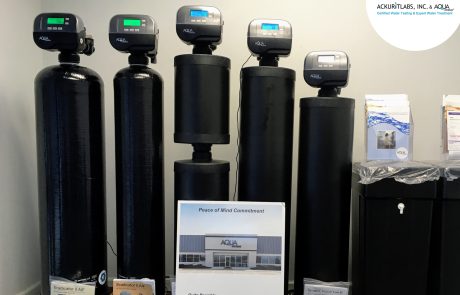
The core of a standard softener is a resin bed that exchanges hardness minerals for a softer ion, and a salt or potassium brine recharges the bed on a schedule. Scale buildup on heaters, kettles and shower heads slows down where hardness has been removed; the lab result still decides what else belongs in the plan.
Template-Assisted Units: an Honest Comparison
Conditioners leave the hardness figure unchanged and change the shape of the crystals that form, and maintenance is limited to replacing the media on a schedule. The results are described best as less crust, not no crust; asking for a plain description of the outcome avoids disappointment.
Carbon Filtration: Matching Carbon to the Target
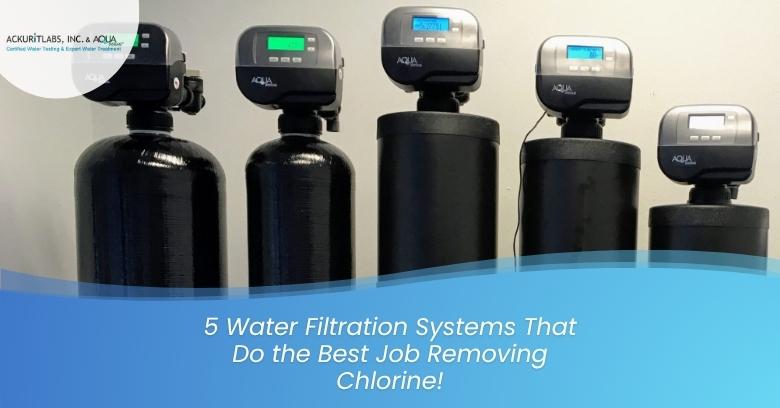
A carbon bed or block is the common answer when a city supply tastes or smells of disinfectant; each type of carbon targets specific compounds, so the media is picked to suit the finding. Every carbon filter eventually fills up, so replacement or backwashing is part of owning one; keeping a date on the housing is a good habit.
The Filter Under the Cap: Reading the Micron Number
Particle filters are the first stage in many systems, catching whatever would clog the rest; a series of coarse then fine elements spreads the load. The installer chooses which element goes first, because a clogged first stage starves the rest; a wrench for the housing is a worthwhile purchase.
High-Pressure Polishing: Pressure, Membrane and Reject Stream
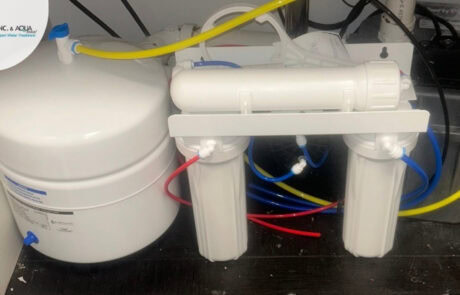
Dissolved solids stay on one side of the membrane and get flushed away; compact units fit under a sink and serve a single tap. Pre-filters protect the membrane, and replacing them on time protects the system; ask for the maintenance schedule in writing.
Feeding Chlorine Into the Line: What the Installer Sets Up
Where a well carries iron, sulfur or microbes, injecting chlorine is a long-established approach, and it also acts on bacteria in the supply. Where the supply is meant for drinking, the leftover chlorine is filtered off; a wrong dose helps nobody.
Treating Everything or Just the Faucet – Matching Scope to Need
Everything inside the building sees treated flow when equipment sits at the entry; a garage or utility closet often becomes the home. Single-tap filters and membranes work where only drinking supply needs the extra step, and the two approaches work well together.
Choosing a Capacity: Gallons per Minute and Grains
Equipment is rated by how fast supply can pass through it and by how much it can treat before servicing; high readings use up capacity faster. An undersized system forces flow past the media too fast, which weakens the result, and a vague one deserves a follow-up question.
Installation Details: the Checklist Behind a Clean Install
Valves around the equipment allow it to be taken out of service in minutes; chlorine feed pumps and contact tanks add their own requirements. Checking with the local office is sensible before anything is cut or glued, and access for servicing should be planned from the start.
Supply Source Matters: Different Problems, Different Gear
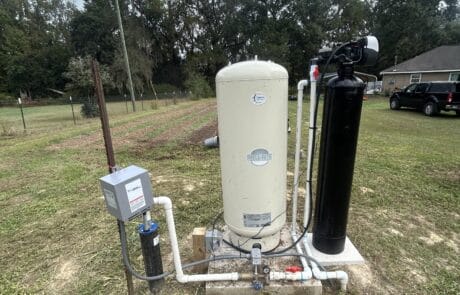
Private wells deliver untreated groundwater, which can carry iron, sulfur, hardness and microbes, whereas chlorine and chloramine lead the list on a city line. The provider needs to know which source feeds the house before suggesting anything; mention the source on the first call.
Storms and Power Interruptions – Protecting Gear From Surge and Silt
Softeners and filters with electronic controllers can lose their settings in a long outage unless a backup battery holds them, and the manual shows how to reset the controller. If floodwater covered the wellhead, the supply itself needs a fresh lab sample; write down the shutoff locations.
Practical Details Homeowners Ask About: Keeping the Area Tidy
Pumps and metering equipment hum when they work, so placement matters for bedrooms and offices; a garage, a utility closet or a pump house is the usual home. Leaving room to open lids, change cartridges and read gauges makes upkeep a quick job; measure doors and hallways as well.
Replacement and Add-Ons – Reading Old Labels
Inherited hardware is worth examining before anything new is added, which helps weigh a repair against a new unit. Mixing parts from different makers is possible, though compatibility needs checking; nothing is replaced without a reason.
Treatment at Business Scale: Duplex Tanks and Bigger Flows
Larger buildings may need several tanks and manifolds, not one household unit, and a drawing of the proposed layout is a reasonable request. Training the people on site about shutoffs and alarms prevents small problems from growing; ask what monitoring the equipment offers.
Service Schedule: What Gets Neglected
Resin beads age slowly, and cartridges and pre-filters age quickly; the manual lists intervals, though a heavy load shortens them. Any change from how the system used to behave is the cue to check it; the provider can inspect and adjust.
Verifying What Changed: Tracking Performance
Nothing beats a repeat panel for showing whether the readings moved, which matters for cartridges and media that wear. If a reading is still high, the report guides the next adjustment; dates on everything keep the record clear.
Limits to Keep in Mind: Questions for Any Seller
Each technology removes some things and leaves others, so a layered setup is common; ask for the specific substances a product addresses. A provider unwilling to discuss limits is one to think twice about; nothing here replaces advice for your property.
Before You Sign: Details That Separate Good Plans
- Which lab results is the proposal based on, and which items does it address, and what stays the same afterward.
- How is the unit set up at the start, and what will you be shown before the crew leaves; clear scope prevents surprises.
- How will you know the equipment is working a few months from now; each of these is worth asking.
A Call Before a Purchase: Questions Are the Starting Point
Phone Ackuritlabs And Aqua Systems at 850-616-2634 and describe the house, the plumbing and what you want changed.
Bringing It Together – the Sequence That Works
A dependable setup follows a sequence: measure the supply, pick equipment to suit, install it carefully and test again, because each property in Florida Panhandle has its own story, whatever any page says about Commercial Water Filtration. To get started, reach Ackuritlabs And Aqua Systems at 850-616-2634; mention whether the supply is a well or a utility line.