Weighing Options for Water Softening Service Around Wakulla County Florida?
A treatment system is a tool for one job, so the job has to be named before the tool is picked; read on for how the pieces fit together.
Speak with Ackuritlabs And Aqua Systems at 850-616-2634 and say whether the supply is a well or a city line.
Where Treatment Begins: Why Skipping It Backfires
Taste and appearance narrow the field, though only a lab report settles it; a sample sent to a laboratory turns a guess into a figure. Anyone without a recent report can usually be pointed to a suitable panel first; patience at this stage tends to save money later.
Taking Out Hardness – What It Fixes and What It Leaves
Inside the tank, tiny resin beads attract the minerals that cause scale and give up sodium or potassium in return, and a salt or potassium brine recharges the bed on a schedule. Less mineral reaching the pipes also means less deposit inside them; it is not meant to filter out bacteria or chemicals.
Alternatives to the Brine Tank: an Honest Comparison
A salt-free unit does not remove calcium or magnesium; it alters how those minerals behave; they need no electricity in many designs. The results are described best as less crust, not no crust, and a good provider explains that before the purchase.
Adsorption Media: Chlorine, Odors and Organic Traces
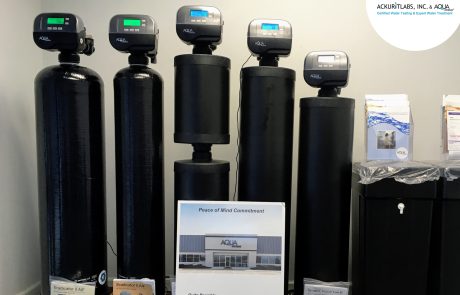
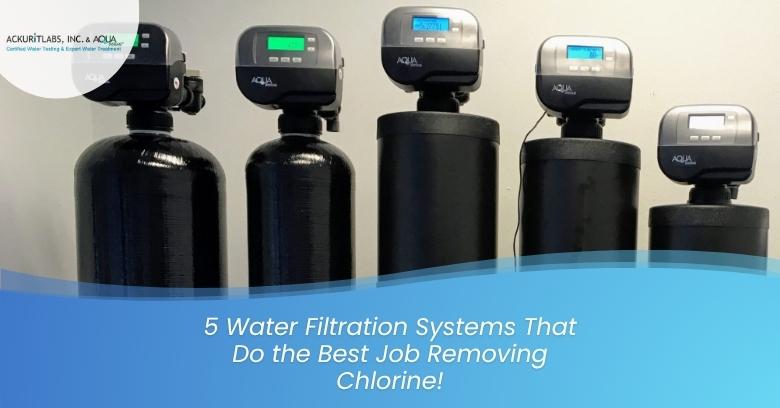
Carbon holds onto certain compounds as supply passes through, which cuts chlorine taste and some odors; it helps to know what the utility adds. A saturated filter can release what it captured, which is why change schedules matter; a pre-filter often extends the life of the carbon.
The Filter Under the Cap: Sizes, Ratings and Swaps
The simplest way to protect a pump, a softener or a fixture is usually a sediment screen ahead of it, and a smaller rating catches finer particles but clogs sooner. Carbon cartridges, including carbon block types, often sit downstream of the sediment stage; write the swap date on the canister.
Reverse Osmosis: Pressure, Membrane and Reject Stream
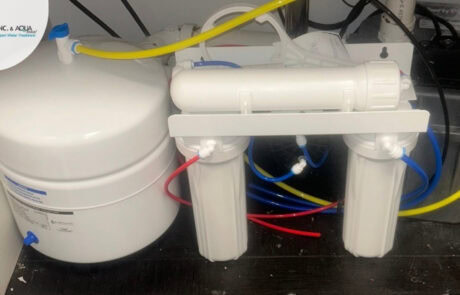
Dissolved solids stay on one side of the membrane and get flushed away; the rejected stream runs to a drain, so a connection to the sink drain is part of the installation. The reduction achieved depends on membrane condition, pressure and what is in the feed, and the reject volume is worth asking about.
Feeding Chlorine Into the Line: Why Dose Control Matters
The setup pairs a feed pump with a retention tank so the chlorine has time to work; the chlorine oxidizes iron and sulfide into forms that can be filtered out. After the contact tank, a carbon stage strips leftover chlorine so the tap smells clean, and chemical equipment is installed and set up with care.
Point of Entry Versus Point of Use: What Each Layout Covers
Equipment where the supply enters the building protects all the plumbing downstream; larger tanks and brine cabinets take real room. Single-tap filters and membranes work where only drinking supply needs the extra step, and it shows which walls and lines are involved.
Sizing – People, Fixtures and Usage
Treating the household's peak demand, not its average, keeps pressure from dropping, along with the hardness or iron level on the lab report. Oversizing has drawbacks too, since idle media can foul and extra tanks need space, and a vague one deserves a follow-up question.
Space and Connections: the Checklist Behind a Clean Install
Most systems need a bypass valve so the plumbing can keep flowing during service; a drain line, an air gap and a nearby outlet come with a softener. Whoever does the installation should be able to say what the local rules ask for; leave room to open the tank lid and swap a cartridge.
Two Starting Points: Different Problems, Different Gear
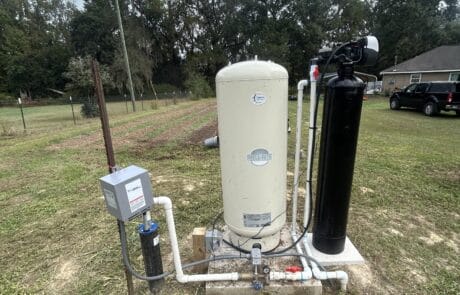
A well has no utility between it and the tap, so equipment often handles more of the load, and equipment has to work with the pump's pressure and flow. A carbon unit that suits a city line may be useless against the main problem of a well; neighbors on the same aquifer can still differ.
Weather and the Equipment Room – Protecting Gear From Surge and Silt
A unit left without power may skip a scheduled recharge, which leaves the media tired when flow resumes; checking the time and the settings after power returns takes a minute. A flooded system should be shut off and checked before use, since damage is not always visible, and the provider can describe what a post-storm check involves.
Where Everything Goes – Reaching the Controls
Noise from a unit tends to come from the drain line and the valve rather than the tanks, and a level pad keeps tanks from shifting. A tidy installation labels valves, supports the plumbing and keeps the area dry, and the provider should ask about access.
Replacement and Add-Ons: Planning a Sensible Sequence
Older units may still work but have worn parts, such as seals, valves, resin or membranes, and the provider can often read the date code. Adding a stage to an existing setup requires attention to order, flow rate and pressure drop, and old manuals are worth saving.
Treatment at Business Scale: Written Specifications
Restaurants, offices and apartment buildings draw far more than a house, and the gear is scaled to match, and a drawing of the proposed layout is a reasonable request. Commercial owners usually want service records, so the system should make them easy to keep; a log of salt, media and filter changes helps.
Service Schedule – Setting Reminders
Resin beads age slowly, and cartridges and pre-filters age quickly; a label on each housing with the install date helps. Noisy valves, salt bridges in the tank and slow flow are signs worth a look; the provider can inspect and adjust.
The Second Sample: Before and After Side by Side
Comparing a new lab report against the original is how a household confirms the hardware did its job; a retest a few months in shows whether the system is holding. A result that falls short is information, and it points to what to add or change; dates on everything keep the record clear.
Limits to Keep in Mind: Questions for Any Seller
A softener will not make a supply taste different, and a carbon filter will not soften it; claims about results should point to a published test method. Honest answers sound specific, and vague answers sound like a sales line, and the same standard applies to anything written on this page.
Questions for a Provider – Everything in Writing
- What does the proposal assume about hardness, iron and chlorine, and where did those figures come from, and what stays the same afterward.
- Where will the drain, the power and the bypass go, and what will be cut or moved; ask for a copy of the manuals too.
- Which items are checked on a routine visit, and which need special tools; ask about it before work starts.
Getting Advice – One Call Sorts Out Next Steps
Speak with Ackuritlabs And Aqua Systems at 850-616-2634 and describe the house, the plumbing and what you want changed.
The Short Version: Next Steps
Matching a device to a lab result, sizing it to the building and keeping up with upkeep is the whole recipe, because each property in Wakulla County Florida has its own story, whatever any page says about Water Softening Service. Questions are welcome at 850-616-2634, where Ackuritlabs And Aqua Systems can lay out the options; the call goes quickly.
Verified

Verified
Verified
Verified
Verified