Weighing Options for Residential Water Softener Installation for a Property in Florida Panhandle?
Good installations start from a lab result and work toward a device that suits it, and the sections below cover sizing, setup and upkeep.
Dial Ackuritlabs And Aqua Systems at 850-616-2634 and say whether the supply is a well or a city line.
The Order of Operations: a Lab Number Beats a Guess
Taste and appearance narrow the field, though only a lab report settles it, and the figure is what a provider uses to size and pick the unit. Where no result exists yet, a provider can often suggest what to measure, and the choice of equipment follows once the numbers arrive.
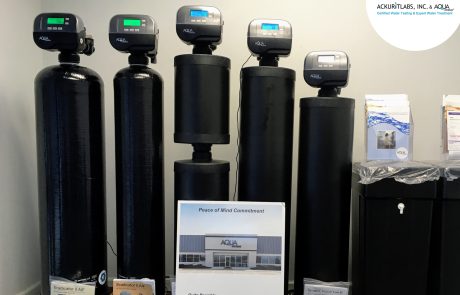
Resin Tanks: How the Resin Works
Inside the tank, tiny resin beads attract the minerals that cause scale and give up sodium or potassium in return, and the stored brine is topped up with salt as needed. Scale buildup on heaters, kettles and shower heads slows down where hardness has been removed; it is not meant to filter out bacteria or chemicals.
Conditioning Instead of Softening: No Drain, No Salt, Different Results
A salt-free unit does not remove calcium or magnesium; it alters how those minerals behave, which suits some households and some local rules. The results are described best as less crust, not no crust; ask what the device will not do.
The Charcoal Option: Why Cartridges Run Out
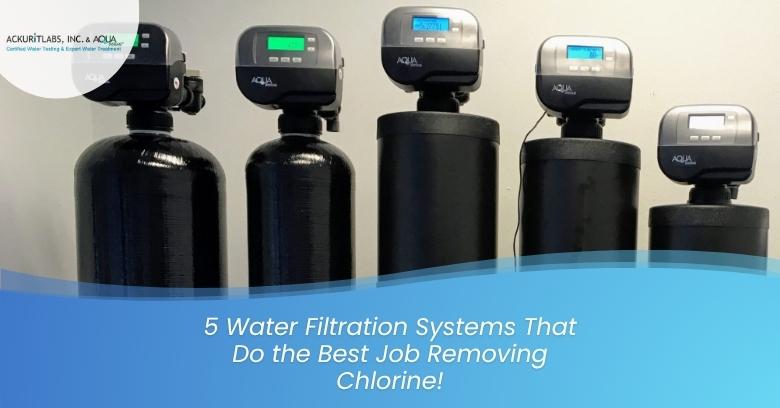
A carbon bed or block is the common answer when a city supply tastes or smells of disinfectant; each type of carbon targets specific compounds, so the media is picked to suit the finding. Capacity depends on how much is in the supply and how much a household uses, and the provider can estimate a schedule.
Spun, Pleated and Wound Media: Reading the Micron Number
Sediment cartridges screen out sand, rust flakes and silt before they reach appliances, and a smaller rating catches finer particles but clogs sooner. Putting stages in the wrong order shortens the life of the costlier cartridge; a wrench for the housing is a worthwhile purchase.
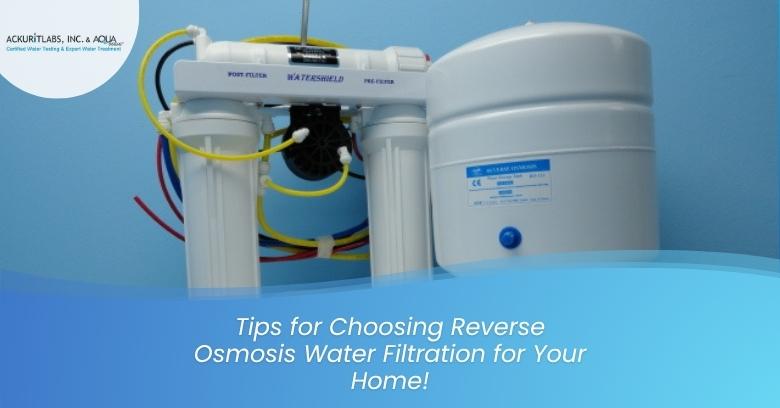
The Under-Sink Purifier – Dissolved Solids Reduced
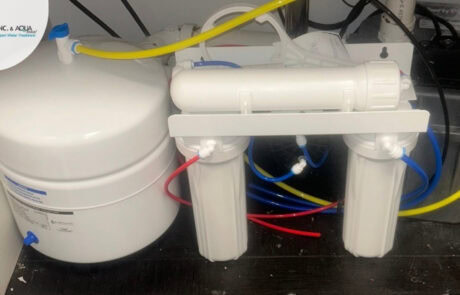
A membrane passes the liquid and rejects a large share of dissolved salts and other solids; most home units sit under a sink and serve one tap. The reduction achieved depends on membrane condition, pressure and what is in the feed; ask for the maintenance schedule in writing.
Feeding Chlorine Into the Line: What the Installer Sets Up
A metering pump feeds sodium hypochlorite into the flow, and a tank gives it time to react; the tank is sized to the flow of the well. Residual chlorine has to be removed afterward, and a carbon filter normally takes that job; a wrong dose helps nobody.
Treating Everything or Just the Faucet: Choosing the Footprint
Whole-house layouts put one set of equipment ahead of every fixture; the flow at the entry is worth measuring before ordering. Many households combine both: a main-line device for scale and a sink model for taste, and the two approaches work well together.
Peak Demand Math – Pressure Drop and Pace
A unit has two numbers that matter: a peak flow rating and a capacity between cleanings; the number of bathrooms and people is part of the calculation. An undersized system forces flow past the media too fast, which weakens the result, and a vague one deserves a follow-up question.
Space and Connections: Bypass Valves, Drains and Outlets
Most systems need a bypass valve so the plumbing can keep flowing during service; a drain line, an air gap and a nearby outlet come with a softener. Codes affect drain connections, backflow protection and the placement of equipment; a tidy install is easier to maintain.
Wells Versus City Lines: Chlorine Added or Not
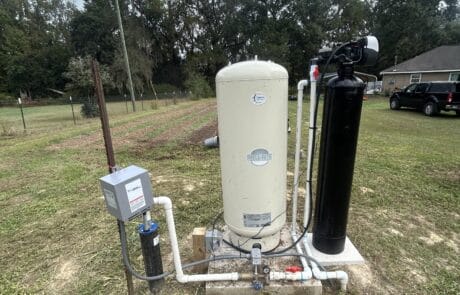
A well has no utility between it and the tap, so equipment often handles more of the load, and the right system differs accordingly. Equipment picked from a neighbor's experience may not suit a different source; mention the source on the first call.
When the Lights Go Out – Resetting the Clock and the Valve
Electronic valves keep time with the power, so a clock that resets can trigger recharges at odd hours, since a stuck valve is easier to catch early. Anything touched by flooding, including a well pump and chemical feed gear, deserves a professional look; write down the shutoff locations.
Noise, Space and Appearance: Tanks, Hums and Cabinets
Pumps and metering equipment hum when they work, so placement matters for bedrooms and offices, and the location is chosen to keep lines short and service easy. Leaving room to open lids, change cartridges and read gauges makes upkeep a quick job, and the provider should ask about access.
Working With Existing Equipment: Test Before Deciding
Inherited hardware is worth examining before anything new is added, and the provider can often read the date code. Mixing parts from different makers is possible, though compatibility needs checking, and old manuals are worth saving.
Equipment for Operations – Keeping Service Running
Business equipment is sized for higher flows and often arranged in pairs so one tank can work while the other recharges; the existing mechanical room often decides what fits. Training the people on site about shutoffs and alarms prevents small problems from growing, and the provider can supply those if asked.
Maintenance Rhythm: Signs a Unit Needs Attention
Treatment is not a one-time purchase, since something wears out or runs low on every system; adjust to what the supply actually does. Bad smells from a filter housing mean it has gone too long; do not wait for a complete failure.
Proof After Installation – Filing the Evidence
Measurements taken after setup show the change in black and white; a retest a few months in shows whether the system is holding. If a reading is still high, the report guides the next adjustment; the file is useful for a future sale.
Expectations Worth Setting: Questions for Any Seller
Each technology removes some things and leaves others, so a layered setup is common; claims about results should point to a published test method. Anyone selling treatment equipment should be able to explain what it reduces and what it leaves alone, and the same standard applies to anything written on this page.
Before You Sign: Scope, Parts and Follow-Up
- Is the recommended size tied to the lab figures and the household's flow; a specific answer is what you want.
- Which local rules apply to this installation, and who handles them; get the details itemized.
- Which items are checked on a routine visit, and which need special tools, and what does it say about future servicing.
Talking It Through: Questions Are the Starting Point
Call Ackuritlabs And Aqua Systems at 850-616-2634 to ask what a sensible first step would be for your supply.
Pulling the Threads: Matching Hardware to the Finding
Good outcomes come from habits worth repeating: testing first, buying second and checking afterward, and for Residential Water Softener Installation in Florida Panhandle the first step is a conversation about the supply and the symptoms. The number to call is 850-616-2634, and the conversation is the first step, and say what you would like to change.