Weighing Options for Chlorine Injector Installation for a Property in Wakulla County Florida?
Each piece of hardware on the market answers a particular complaint, and none answers all of them; the sections below put the options in plain language.
Call Ackuritlabs And Aqua Systems at 850-616-2634 and describe the stains, scale or smells you want gone.
Before Any Equipment: Naming the Target
Taste and appearance narrow the field, though only a lab report settles it, and the figure is what a provider uses to size and pick the unit. Anyone without a recent report can usually be pointed to a suitable panel first; patience at this stage tends to save money later.
Softening: Regeneration in Plain Terms
Inside the tank, tiny resin beads attract the minerals that cause scale and give up sodium or potassium in return; the unit needs a drain line and a power outlet. Where a softener is sized correctly, white crust becomes much less of a chore, though a softener does little for iron staining beyond a modest level.
Conditioning Instead of Softening – Setting Expectations
A salt-free unit does not remove calcium or magnesium; it alters how those minerals behave; they need no electricity in many designs. Expect scale to be reduced rather than eliminated, and expect no change in how soap lathers; ask what the device will not do.
Carbon Filtration: Matching Carbon to the Target
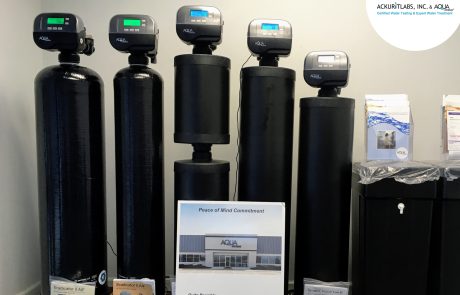
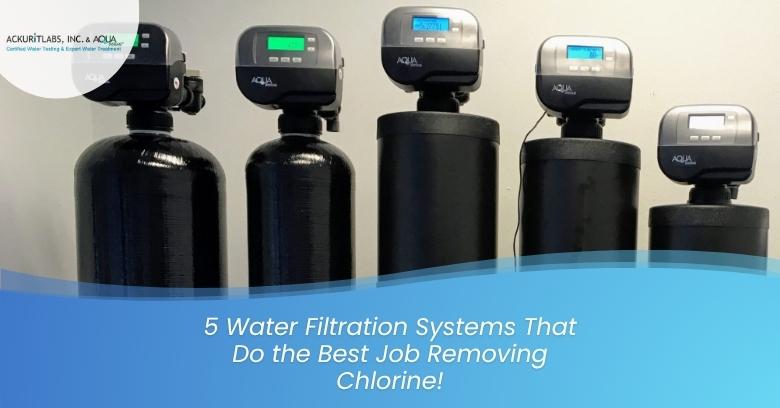
Filters based on carbon are the usual choice for chlorine taste and many household odors, and the lab or the utility report can say. Capacity depends on how much is in the supply and how much a household uses; keeping a date on the housing is a good habit.
Housings and Replaceable Elements: Sizes, Ratings and Swaps
The simplest way to protect a pump, a softener or a fixture is usually a sediment screen ahead of it; a series of coarse then fine elements spreads the load. Pressure falls as an element loads up, which is the practical signal to swap it; replacements are sold by size, so note the model.
The Under-Sink Purifier – Storage Tank, Faucet and Drain
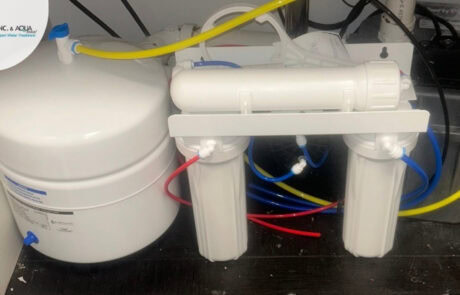
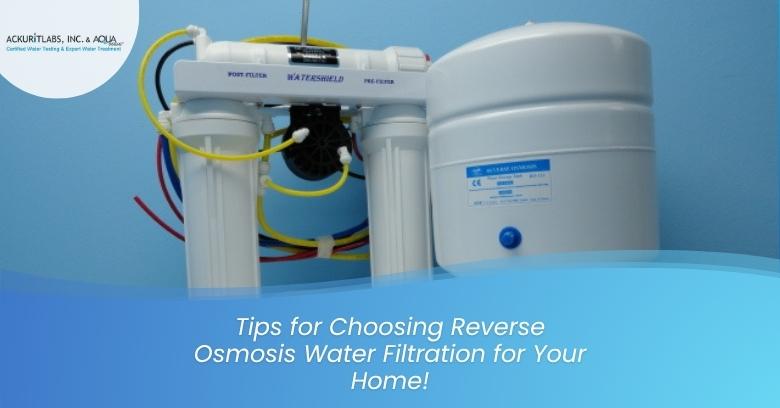
A small pump or the line pressure drives the flow through a membrane with extremely fine pores, and a small storage tank holds finished supply for the dedicated faucet. The reduction achieved depends on membrane condition, pressure and what is in the feed, and the reject volume is worth asking about.
Treating Iron, Sulfur and Microbes: a Metering Pump and a Retention Tank
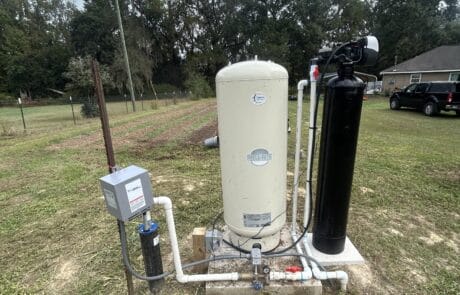
A chlorine injector meters a small amount of disinfectant into the line ahead of a holding tank, and the dose is set from lab readings. The final stage polishes taste and removes what remains of the disinfectant; dosing is not a do-it-yourself guess.
Treating Everything or Just the Faucet: What Each Layout Covers
A unit at the main line treats every tap, the shower, the washer and the water heater, and the machinery needs floor space near the main shutoff. Many households combine both: a main-line device for scale and a sink model for taste, and the two approaches work well together.
Matching the Unit to the House: What Undersizing Looks Like
A unit has two numbers that matter: a peak flow rating and a capacity between cleanings; the number of bathrooms and people is part of the calculation. Oversizing has drawbacks too, since idle media can foul and extra tanks need space, and an installer should explain why a particular size was chosen.
What the Job Requires – Codes and Neighbors
Good installations include a way to route flow around the unit when needed, and electrical needs vary from a plug-in transformer to a dedicated circuit. Checking with the local office is sensible before anything is cut or glued, and access for servicing should be planned from the start.
What Changes by Source: Chlorine Added or Not
Private wells deliver untreated groundwater, which can carry iron, sulfur, hardness and microbes; sediment and iron tend to be the early concerns. Because the two sources differ, the same product can be a great fit on one and wasted on the other; mention the source on the first call.
Hurricane-Season Readiness – Protecting Gear From Surge and Silt
Electronic valves keep time with the power, so a clock that resets can trigger recharges at odd hours, and a surge protector on the outlet is sensible protection for the electronics. A flooded system should be shut off and checked before use, since damage is not always visible; keep manuals and settings notes together.
Living With the Equipment – Placement Decisions That Last
A recharge brings gurgling and flowing noises for a spell, usually at a scheduled hour; clear floor space around a tank makes salt loading simple. Equipment is easiest to live with when the controls and the drain sit where a person can reach them; measure doors and hallways as well.
Replacement and Add-Ons: Test Before Deciding
Older units may still work but have worn parts, such as seals, valves, resin or membranes; the model number on the label usually leads to a manual and a parts list. New components usually have to fit the pipe sizes, the pressure and the drain already in place; nothing is replaced without a reason.
Larger Buildings and Heavier Demand: Boilers, Ice Machines and Kitchens
Business equipment is sized for higher flows and often arranged in pairs so one tank can work while the other recharges; the existing mechanical room often decides what fits. Training the people on site about shutoffs and alarms prevents small problems from growing; a log of salt, media and filter changes helps.
Service Schedule: What Gets Neglected
Every type of equipment has a consumable: salt for softeners, cartridges for filters, membranes for osmosis units; a simple calendar reminder prevents most lapses. Warning signs include a return of the old taste, scale reappearing and a drop in pressure; the provider can inspect and adjust.
Proof After Installation – Numbers, Not Impressions
Comparing a new lab report against the original is how a household confirms the hardware did its job; schedule it when the system goes in. A result that falls short is information, and it points to what to add or change, and keeping both reports together tells the story.
Where Hardware Stops: No Single Device Fixes Everything
A softener will not make a supply taste different, and a carbon filter will not soften it; compare the data sheet with your lab report. Honest answers sound specific, and vague answers sound like a sales line; nothing here replaces advice for your property.
Comparing Proposals: Details That Separate Good Plans
- Which readings on the report are meant to change, and which are not expected to, and the proposal should say so on paper.
- How is the unit set up at the start, and what will you be shown before the crew leaves; a walk-through at the end is reasonable to ask for.
- Which items are checked on a routine visit, and which need special tools; follow-up is as important as the install.
A Call Before a Purchase – One Call Sorts Out Next Steps
Call Ackuritlabs And Aqua Systems at 850-616-2634 to find out how a system would be planned and sized.
Bringing It Together: Next Steps
Every lasting installation rests on a clear diagnosis, a suitable size and regular care, and everything above about Chlorine Injector Installation in Wakulla County Florida is general background, not a verdict. Questions are welcome at 850-616-2634, where Ackuritlabs And Aqua Systems can lay out the options; mention whether the supply is a well or a utility line.
Verified

Verified
Verified
Verified
Verified