Looking for Water Treatment in Scotts Ferry Area?
Good installations start from a lab result and work toward a device that suits it, and the sections below explain how the common options differ.
Dial Ackuritlabs And Aqua Systems at 850-616-2634 and describe the stains, scale or smells you want gone.
The Step Ahead of the Purchase – Results Decide the Hardware
Equipment bought off a shelf may handle a different problem than the one at the tap, and the figure is what a provider uses to size and pick the unit. If the history of the supply is unknown, a baseline panel is the sensible opener; the equipment decision waits until the numbers are in.
Resin Tanks: a Bed of Beads and a Brine Tank
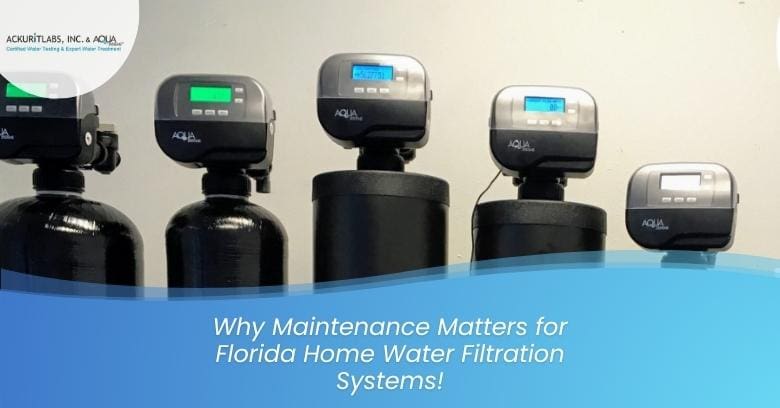
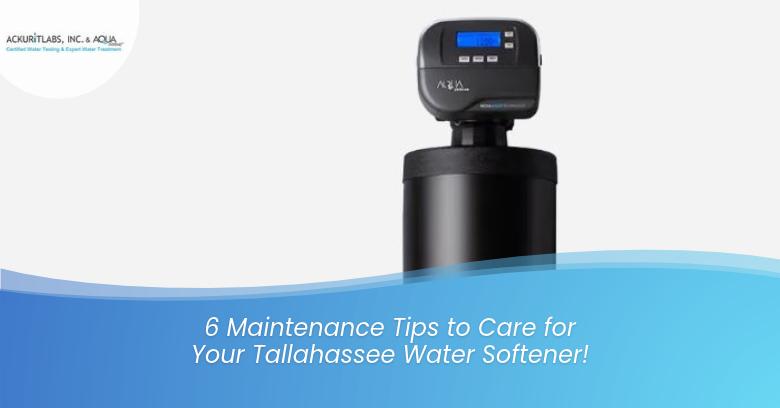
The core of a standard softener is a resin bed that exchanges hardness minerals for a softer ion; the unit needs a drain line and a power outlet. Softened supply leaves less scale on fixtures, glass and heating elements, though a softener does little for iron staining beyond a modest level.
Salt-Free Conditioners: No Drain, No Salt, Different Results
Conditioners leave the hardness figure unchanged and change the shape of the crystals that form, which suits some households and some local rules. Expect scale to be reduced rather than eliminated, and expect no change in how soap lathers; asking for a plain description of the outcome avoids disappointment.
Carbon Filtration: Chlorine, Odors and Organic Traces
Surfaces inside the carbon grab onto particular chemicals, leaving a cleaner taste behind, and ordinary carbon handles free chlorine more easily than chloramine. Every carbon filter eventually fills up, so replacement or backwashing is part of owning one; keeping a date on the housing is a good habit.
The Filter Under the Cap: Sizes, Ratings and Swaps
The simplest way to protect a pump, a softener or a fixture is usually a sediment screen ahead of it; the rating, given in microns, states how small a particle the element is built to catch. Putting stages in the wrong order shortens the life of the costlier cartridge; keep a spare cartridge on a shelf.
High-Pressure Polishing: Pressure, Membrane and Reject Stream
A small pump or the line pressure drives the flow through a membrane with extremely fine pores; the rejected stream runs to a drain, so a connection to the sink drain is part of the installation. The reduction achieved depends on membrane condition, pressure and what is in the feed; ask for the maintenance schedule in writing.
Treating Iron, Sulfur and Microbes – Time, Dose and Cleanup
The setup pairs a feed pump with a retention tank so the chlorine has time to work; the chlorine oxidizes iron and sulfide into forms that can be filtered out. Where the supply is meant for drinking, the leftover chlorine is filtered off, and the setup should be checked after the first weeks.
Scope of a System: Choosing the Footprint
Point-of-entry installations deal with problems that affect the entire plumbing system; a garage or utility closet often becomes the home. Where only one fixture matters, a compact installation avoids treating the whole house; a layout on paper avoids surprises.
Flow Rate and Capacity: Gallons per Minute and Grains
Treating the household's peak demand, not its average, keeps pressure from dropping, along with the hardness or iron level on the lab report. When a unit is too small, pressure falls at fixtures during busy mornings; the sizing is not a mystery.
Space and Connections: the Checklist Behind a Clean Install
Good installations include a way to route flow around the unit when needed; a drain line, an air gap and a nearby outlet come with a softener. Whoever does the installation should be able to say what the local rules ask for; measure before ordering.
Two Starting Points: Planning Around the Source
Private wells deliver untreated groundwater, which can carry iron, sulfur, hardness and microbes; sediment and iron tend to be the early concerns. A quick description of the plumbing path is enough to start the right conversation; each property gets its own plan.
Hurricane-Season Readiness: Controllers, Pumps and Flooding
Softeners and filters with electronic controllers can lose their settings in a long outage unless a backup battery holds them, and the manual shows how to reset the controller. Silt in a housing, a wet motor or a corroded joint can turn a repair into a replacement, and the provider can describe what a post-storm check involves.
Practical Details Homeowners Ask About: Keeping the Area Tidy
Pumps and metering equipment hum when they work, so placement matters for bedrooms and offices, which is worth thinking through before delivery. Leaving room to open lids, change cartridges and read gauges makes upkeep a quick job, and the installer can suggest a layout.
An Older System in the Garage – Reading Old Labels
Many properties already have a tank, a filter housing or an under-sink unit, and the question is whether it still suits the supply, and the provider can often read the date code. Mixing parts from different makers is possible, though compatibility needs checking; ask for a plain list of what changes and what stays.
Equipment for Operations – Keeping Service Running
Larger buildings may need several tanks and manifolds, not one household unit; a duplex arrangement keeps soft supply flowing through each recharge. Commercial owners usually want service records, so the system should make them easy to keep; a log of salt, media and filter changes helps.
Routine Care: What Gets Neglected
Soft supply depends on a brine tank that is kept stocked; keep the paperwork in one place. Noisy valves, salt bridges in the tank and slow flow are signs worth a look; an annual look at the controls is sensible.
Closing the Loop – Numbers, Not Impressions
Comparing a new lab report against the original is how a household confirms the hardware did its job; schedule it when the system goes in. Expect a number lower than before, not necessarily a number of zero; dates on everything keep the record clear.
Honest Limits: Misuse and Misfit
Equipment performs within limits set by its design, the supply and the upkeep; claims about results should point to a published test method. Honest answers sound specific, and vague answers sound like a sales line; weigh each source on how specific it is.
Comparing Proposals: Details That Separate Good Plans
- Which lab results is the proposal based on, and which items does it address; vague answers deserve a follow-up.
- Where will the drain, the power and the bypass go, and what will be cut or moved, and how can questions be raised afterward.
- What signs should prompt a call before the next scheduled check; ask about it before work starts.
Start the Conversation – One Call Sorts Out Next Steps
Dial Ackuritlabs And Aqua Systems at 850-616-2634 to find out how a system would be planned and sized.
Bringing It Together: Matching Hardware to the Finding
Good outcomes come from habits worth repeating: testing first, buying second and checking afterward, and for Water Treatment in Scotts Ferry Area the first step is a conversation about the supply and the symptoms. Questions are welcome at 850-616-2634, where Ackuritlabs And Aqua Systems can lay out the options, and share what the lab report shows.