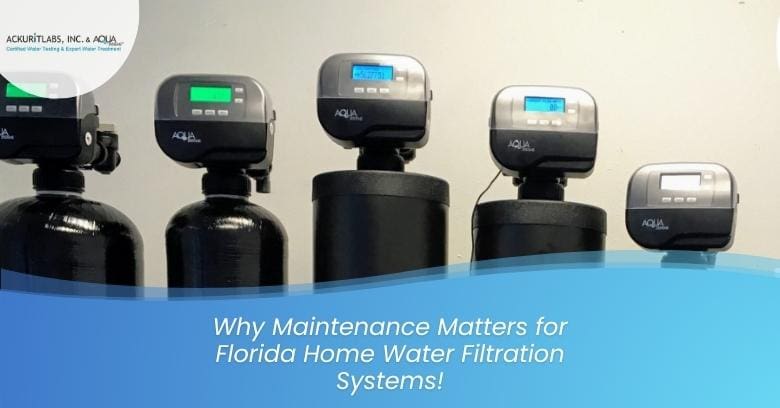
Weighing Options for Water Treatment Throughout I-10 Area?
Good installations start from a lab result and work toward a device that suits it; the sections below put the options in plain language.
Call Ackuritlabs And Aqua Systems at 850-616-2634 and say whether the supply is a well or a city line.
Where Treatment Begins: a Lab Number Beats a Guess
Three households with the same complaint can need three different systems, because the underlying chemistry differs; a sample sent to a laboratory turns a guess into a figure. If the history of the supply is unknown, a baseline panel is the sensible opener, and the choice of equipment follows once the numbers arrive.
The Salt-Based Softener: Regeneration in Plain Terms
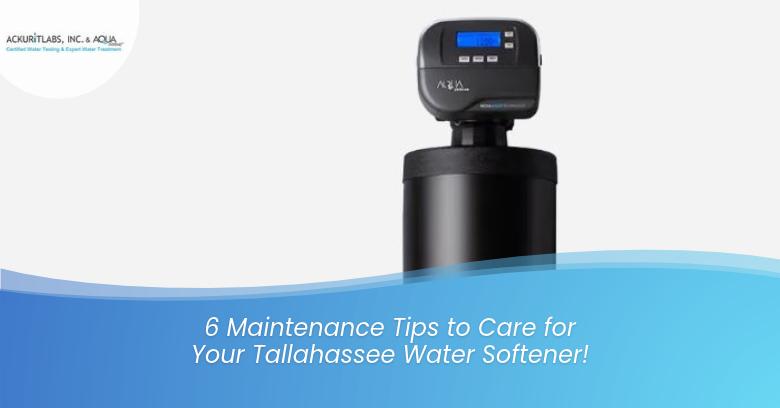
The core of a standard softener is a resin bed that exchanges hardness minerals for a softer ion; a control valve decides when to regenerate by clock or by usage. Where a softener is sized correctly, white crust becomes much less of a chore; other equipment handles those jobs.
Alternatives to the Brine Tank: No Drain, No Salt, Different Results
A salt-free unit does not remove calcium or magnesium; it alters how those minerals behave; people choose these devices to avoid salt, brine discharge and a drain connection. A conditioner will not give the slick feel that a softened supply has in the shower; ask what the device will not do.
Activated Carbon – Contact Time and Capacity
Filters based on carbon are the usual choice for chlorine taste and many household odors, and the lab or the utility report can say. Capacity depends on how much is in the supply and how much a household uses, and the maker's change interval is a guide, not a promise.
Cartridges and Sediment Filters: Reading the Micron Number
Grit and flakes get stopped by a pleated or wound element sitting in a clear or opaque canister, which lets each cartridge last longer. A carbon cartridge installed in the same housing style handles taste while the sediment unit handles grit, and a pressure gauge on each side of the housing makes that visible.
Drinking Supply Upgrades – Dissolved Solids Reduced
Dissolved solids stay on one side of the membrane and get flushed away; most home units sit under a sink and serve one tap. Some units add minerals back after the membrane to adjust taste; ask for the maintenance schedule in writing.
Treating Iron, Sulfur and Microbes: a Metering Pump and a Retention Tank
A chlorine injector meters a small amount of disinfectant into the line ahead of a holding tank; time in the tank is what makes the reaction complete. After the contact tank, a carbon stage strips leftover chlorine so the tap smells clean, and the setup should be checked after the first weeks.
Where the Equipment Sits: What Each Layout Covers
Everything inside the building sees treated flow when equipment sits at the entry, and the machinery needs floor space near the main shutoff. Where only one fixture matters, a compact installation avoids treating the whole house, and the two approaches work well together.
Sizing – Pressure Drop and Pace
The size of the housing and the volume of media set how much a system can handle; the number of bathrooms and people is part of the calculation. Equipment that is too small works harder and wears out sooner; a reasoned answer is a good sign.
Practical Requirements – Planning for Service Access
Most systems need a bypass valve so the plumbing can keep flowing during service; a drain line, an air gap and a nearby outlet come with a softener. Local plumbing and electrical rules may apply, and the installer is the one to know them; leave room to open the tank lid and swap a cartridge.
Two Starting Points: Planning Around the Source
City lines usually deliver a steady, disinfected supply, so the complaints tend to be taste and scale, whereas chlorine and chloramine lead the list on a city line. The provider needs to know which source feeds the house before suggesting anything, and a lab report removes most of the guesswork.
Storms and Power Interruptions – Resetting the Clock and the Valve
Many controllers keep their program in memory for a short while, and then need to be set again; a quick look at the salt level and the drain line completes the check. Silt in a housing, a wet motor or a corroded joint can turn a repair into a replacement, and the provider can describe what a post-storm check involves.
Where Everything Goes: Keeping the Area Tidy
Most residential units are quiet, and the sounds they make are short bursts when a valve cycles or a recharge runs, and a level pad keeps tanks from shifting. A tidy installation labels valves, supports the plumbing and keeps the area dry; measure doors and hallways as well.
Working With Existing Equipment: Planning a Sensible Sequence
Equipment bought long ago was chosen for a supply that may have changed since; the model number on the label usually leads to a manual and a parts list. Mixing parts from different makers is possible, though compatibility needs checking; ask for a plain list of what changes and what stays.
Larger Buildings and Heavier Demand – Coordinating With Maintenance
Commercial installations are usually specified on paper, with flow rates and targets spelled out, and a drawing of the proposed layout is a reasonable request. Staff who run the building need to know where the valves are and what each one does, because early warning beats a repair.
Keeping Equipment in Shape: What Gets Neglected
Resin beads age slowly, and cartridges and pre-filters age quickly; adjust to what the supply actually does. Any change from how the system used to behave is the cue to check it; the provider can inspect and adjust.
Closing the Loop: Tracking Performance
The most reliable verification is a fresh panel run on the same items as before; a retest a few months in shows whether the system is holding. Treatment can reduce certain items without eliminating them, and the report shows by how much; a short note on the equipment installed completes the record.
Limits to Keep in Mind: Misuse and Misfit
Each technology removes some things and leaves others, so a layered setup is common; claims about results should point to a published test method. Honest answers sound specific, and vague answers sound like a sales line; clear explanations are the best sign.
What to Ask at the Door: Details That Separate Good Plans
- Does the plan name the substances it targets, rather than speaking in general terms, and the proposal should say so on paper.
- How is the unit set up at the start, and what will you be shown before the crew leaves; clear scope prevents surprises.
- Which items are checked on a routine visit, and which need special tools; follow-up is as important as the install.
A Call Before a Purchase: Questions Are the Starting Point
Call Ackuritlabs And Aqua Systems at 850-616-2634 and ask what to collect before any equipment is chosen.
In Plain Terms – the Sequence That Works
Good outcomes come from habits worth repeating: testing first, buying second and checking afterward; whatever has brought you to read about Water Treatment near I-10 Area, a short call sorts out where to begin. To get started, reach Ackuritlabs And Aqua Systems at 850-616-2634; the call goes quickly.