Shopping for Water Treatment for a Property in US-319 Corridor Subdivision Area?
A treatment system is a tool for one job, so the job has to be named before the tool is picked; the sections below describe what each option does and where it stops.
Dial Ackuritlabs And Aqua Systems at 850-616-2634 and say whether the supply is a well or a city line.
The Step Ahead of the Purchase: a Lab Number Beats a Guess
Equipment bought off a shelf may handle a different problem than the one at the tap; a sample sent to a laboratory turns a guess into a figure. A first conversation commonly ends with advice on what to sample before the next step; the equipment decision waits until the numbers are in.
Ion Exchange – What It Fixes and What It Leaves
The core of a standard softener is a resin bed that exchanges hardness minerals for a softer ion, and the stored brine is topped up with salt as needed. Laundry and dishes tend to come out cleaner where the minerals have been removed; the lab result still decides what else belongs in the plan.
Scale Control Without Salt: an Honest Comparison
These devices work on how scale sticks, and they do not strip the minerals out; they need no electricity in many designs. A conditioner will not give the slick feel that a softened supply has in the shower, and a good provider explains that before the purchase.
Taste and Odor Control – Granular Beds and Blocks
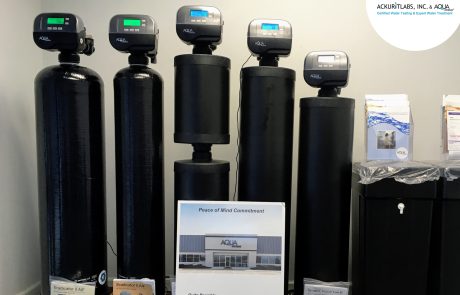
Filters based on carbon are the usual choice for chlorine taste and many household odors, and ordinary carbon handles free chlorine more easily than chloramine. Every carbon filter eventually fills up, so replacement or backwashing is part of owning one, and the provider can estimate a schedule.
Cartridges and Sediment Filters – Why Order Matters
Sediment cartridges screen out sand, rust flakes and silt before they reach appliances, and the sequence is part of the design. Pressure falls as an element loads up, which is the practical signal to swap it; replacements are sold by size, so note the model.
Reverse Osmosis: Where It Sits and What It Wastes
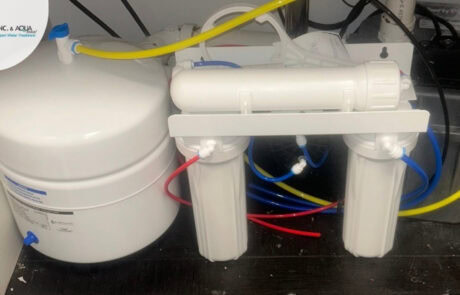
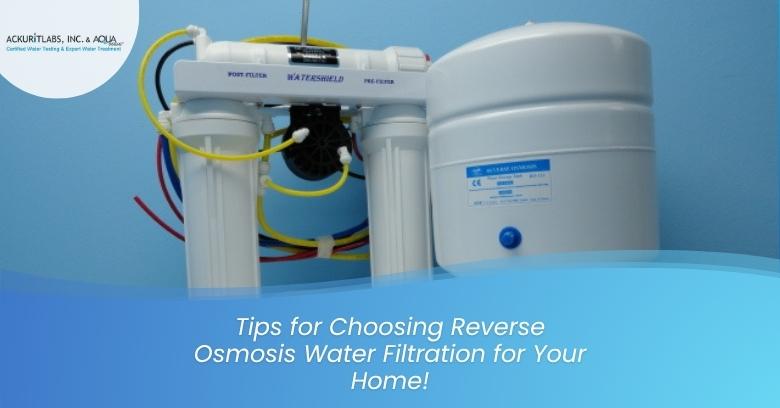
A small pump or the line pressure drives the flow through a membrane with extremely fine pores, while larger units serve whole buildings. Pre-filters protect the membrane, and replacing them on time protects the system; the provider can explain what to expect for your supply.
Feeding Chlorine Into the Line: Why Dose Control Matters
Where a well carries iron, sulfur or microbes, injecting chlorine is a long-established approach, and it also acts on bacteria in the supply. Where the supply is meant for drinking, the leftover chlorine is filtered off; dosing is not a do-it-yourself guess.
Whole-House or Single-Tap – Matching Scope to Need
Point-of-entry installations deal with problems that affect the entire plumbing system, and the machinery needs floor space near the main shutoff. A point-of-use unit serves a single faucet, usually the kitchen, and suits drinking and cooking; ask for a simple diagram of the plan.
Matching the Unit to the House – People, Fixtures and Usage
The size of the housing and the volume of media set how much a system can handle; the number of bathrooms and people is part of the calculation. Equipment that is too small works harder and wears out sooner; a reasoned answer is a good sign.
Practical Requirements – Codes and Neighbors
Valves around the equipment allow it to be taken out of service in minutes; the installer plans the route up front. Local plumbing and electrical rules may apply, and the installer is the one to know them, and clear labels on valves help the next person.
Wells Versus City Lines – Pressure Tanks and Pumps
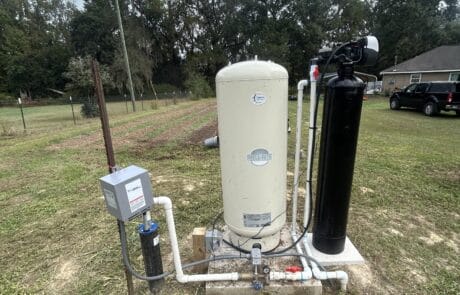
Supply from a public system arrives already disinfected, which changes what is left to fix, and equipment has to work with the pump's pressure and flow. The provider needs to know which source feeds the house before suggesting anything; each property gets its own plan.
Hurricane-Season Readiness – Resetting the Clock and the Valve
Many controllers keep their program in memory for a short while, and then need to be set again, since a stuck valve is easier to catch early. A flooded system should be shut off and checked before use, since damage is not always visible; write down the shutoff locations.
Where Everything Goes: Tanks, Hums and Cabinets
A recharge brings gurgling and flowing noises for a spell, usually at a scheduled hour, and the location is chosen to keep lines short and service easy. Equipment is easiest to live with when the controls and the drain sit where a person can reach them; measure doors and hallways as well.
Working With Existing Equipment: Planning a Sensible Sequence
Equipment bought long ago was chosen for a supply that may have changed since; the model number on the label usually leads to a manual and a parts list. A sediment screen or a carbon stage can often be added without replacing everything; photographs of the current setup speed up the first conversation.
Treatment at Business Scale: Written Specifications
Larger buildings may need several tanks and manifolds, not one household unit, and a drawing of the proposed layout is a reasonable request. A property manager benefits from a maintenance plan that lists tasks, intervals and who does them, and the provider can supply those if asked.
Keeping Equipment in Shape: Salt, Cartridges and Media
Treatment is not a one-time purchase, since something wears out or runs low on every system; adjust to what the supply actually does. If stains come back, or the taste creeps back, something in the chain has used up its capacity, and a service call beats a failed system.
Verifying What Changed: Tracking Performance
Nothing beats a repeat panel for showing whether the readings moved, which matters for cartridges and media that wear. A result that falls short is information, and it points to what to add or change; a short note on the equipment installed completes the record.
Honest Limits – Read the Fine Print
A softener will not make a supply taste different, and a carbon filter will not soften it; claims about results should point to a published test method. Honest answers sound specific, and vague answers sound like a sales line; weigh each source on how specific it is.
A Short Interview – Everything in Writing
- Is the recommended size tied to the lab figures and the household's flow; a specific answer is what you want.
- Where will the drain, the power and the bypass go, and what will be cut or moved, and how can questions be raised afterward.
- What does a retest look like, and when is it scheduled; each of these is worth asking.
Talking It Through: Bring What You Know
Speak with Ackuritlabs And Aqua Systems at 850-616-2634 to find out how a system would be planned and sized.
Pulling the Threads – Upkeep Keeps It Working
Matching a device to a lab result, sizing it to the building and keeping up with upkeep is the whole recipe, and everything above about Water Treatment in US-319 Corridor Subdivision Area is general background, not a verdict. Questions are welcome at 850-616-2634, where Ackuritlabs And Aqua Systems can lay out the options, and say what you would like to change.