Shopping for Water Treatment in Northeast Monticello Area?
Equipment gets chosen to fix a measured problem, and the fix is only as good as the diagnosis behind it; the sections below describe what each option does and where it stops.
Call Ackuritlabs And Aqua Systems at 850-616-2634 to ask which questions come before any equipment.
Where Treatment Begins: Why Skipping It Backfires
Orange stains, chalky scale and a swampy smell can each have a separate cause, and each calls for different gear, and the figure is what a provider uses to size and pick the unit. Anyone without a recent report can usually be pointed to a suitable panel first; patience at this stage tends to save money later.
Taking Out Hardness – What It Fixes and What It Leaves
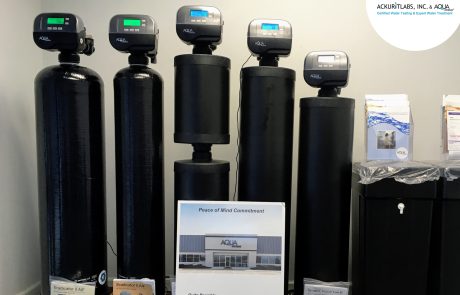
The core of a standard softener is a resin bed that exchanges hardness minerals for a softer ion; a control valve decides when to regenerate by clock or by usage. Scale buildup on heaters, kettles and shower heads slows down where hardness has been removed; the lab result still decides what else belongs in the plan.
Salt-Free Conditioners – Setting Expectations
The minerals stay in the supply, but the device nudges them toward forming less scale on surfaces, and maintenance is limited to replacing the media on a schedule. Anyone expecting the soft feel of a true softener should know the two are different things; being clear on this point prevents disputes later.
Adsorption Media: Why Cartridges Run Out
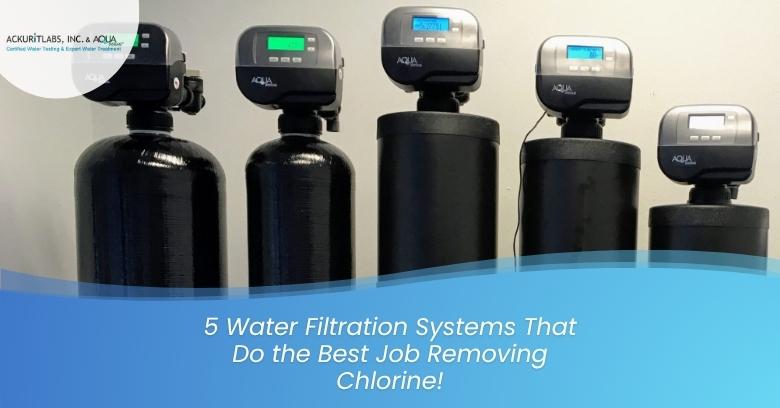
Porous carbon traps many organic molecules and chlorine on its surfaces as flow moves across them, and the lab or the utility report can say. A saturated filter can release what it captured, which is why change schedules matter, and the provider can estimate a schedule.
Housings and Replaceable Elements: Keeping Spare Elements
Grit and flakes get stopped by a pleated or wound element sitting in a clear or opaque canister, which lets each cartridge last longer. Pressure falls as an element loads up, which is the practical signal to swap it; keep a spare cartridge on a shelf.
Membrane Systems: Fair Expectations
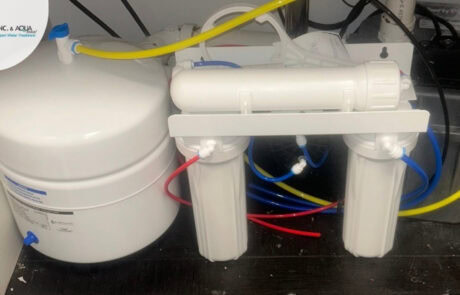
The membrane is the center of the system, flanked by pre-filters and a final carbon stage; compact units fit under a sink and serve a single tap. Reverse osmosis units reduce many dissolved substances, though performance varies by model and by supply, and a membrane may last for a long stretch if it is protected.
Treating Iron, Sulfur and Microbes – the Carbon Stage Afterward
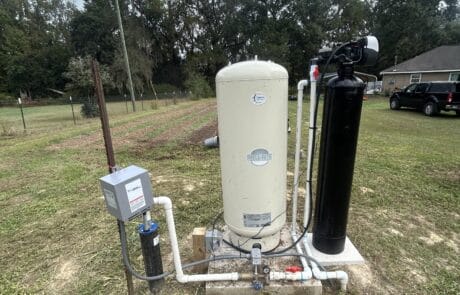
A pump, a tank and a backwashing filter form the heart of a chlorination setup; the tank is sized to the flow of the well. A backwashing filter often follows, clearing the particles the reaction produces, and chemical equipment is installed and set up with care.
Treating Everything or Just the Faucet – Matching Scope to Need
Everything inside the building sees treated flow when equipment sits at the entry, and the machinery needs floor space near the main shutoff. Single-tap filters and membranes work where only drinking supply needs the extra step, and the two approaches work well together.
Peak Demand Math: Room to Grow
Equipment is rated by how fast supply can pass through it and by how much it can treat before servicing; high readings use up capacity faster. An undersized system forces flow past the media too fast, which weakens the result; the sizing is not a mystery.
Installation Details: Bypass Valves, Drains and Outlets
Good installations include a way to route flow around the unit when needed; a drain line, an air gap and a nearby outlet come with a softener. Checking with the local office is sensible before anything is cut or glued; leave room to open the tank lid and swap a cartridge.
Wells Versus City Lines – Raw Groundwater Versus Treated
Supply from a public system arrives already disinfected, which changes what is left to fix, and equipment has to work with the pump's pressure and flow. A carbon unit that suits a city line may be useless against the main problem of a well; photos of the existing equipment help.
Storms and Power Interruptions: What to Check Afterward
Pumps, injectors and controllers all depend on electricity, and an outage pauses every one of them, and a surge protector on the outlet is sensible protection for the electronics. If floodwater covered the wellhead, the supply itself needs a fresh lab sample; photographs taken before the season make later comparisons easier.
Day-to-Day Presence – Placement Decisions That Last
Noise from a unit tends to come from the drain line and the valve rather than the tanks; a garage, a utility closet or a pump house is the usual home. A tidy installation labels valves, supports the plumbing and keeps the area dry, and the provider should ask about access.
Upgrading What Is Already There: Test Before Deciding
A house may come with equipment that nobody remembers installing, so a look at the labels is the first step, and the readings guide whether to repair, keep or replace. New components usually have to fit the pipe sizes, the pressure and the drain already in place, and the installer should explain what is being kept.
Larger Buildings and Heavier Demand – Coordinating With Maintenance
Larger buildings may need several tanks and manifolds, not one household unit; the existing mechanical room often decides what fits. Staff who run the building need to know where the valves are and what each one does, and the provider can supply those if asked.
Upkeep: What Gets Neglected
Filters eventually clog, and carbon eventually saturates, so each has a replacement interval; the manual lists intervals, though a heavy load shortens them. Bad smells from a filter housing mean it has gone too long, and a service call beats a failed system.
The Second Sample – Numbers, Not Impressions
Measurements taken after setup show the change in black and white; a retest a few months in shows whether the system is holding. Treatment can reduce certain items without eliminating them, and the report shows by how much, and keeping both reports together tells the story.
Where Hardware Stops: Misuse and Misfit
No single device removes every substance, and a pitch that one box covers everything deserves doubt; read the data sheet, not just the front of the box. Honest answers sound specific, and vague answers sound like a sales line, and a plain no is sometimes the most useful answer.
Comparing Proposals: Points Worth Raising
- Is the recommended size tied to the lab figures and the household's flow, and what stays the same afterward.
- Who installs the equipment, and who services it after the job is done; ask for a copy of the manuals too.
- Where should the paperwork for the system be stored; ask about it before work starts.
Getting Advice – One Call Sorts Out Next Steps
Speak with Ackuritlabs And Aqua Systems at 850-616-2634 and describe the house, the plumbing and what you want changed.
What to Remember – Upkeep Keeps It Working
Every lasting installation rests on a clear diagnosis, a suitable size and regular care; whatever has brought you to read about Water Treatment near Northeast Monticello Area, a short call sorts out where to begin. To get started, reach Ackuritlabs And Aqua Systems at 850-616-2634; mention whether the supply is a well or a utility line.