Need Water Treatment Throughout North Quincy Area?
Equipment gets chosen to fix a measured problem, and the fix is only as good as the diagnosis behind it, and the sections below cover sizing, setup and upkeep.
Dial Ackuritlabs And Aqua Systems at 850-616-2634 and describe the stains, scale or smells you want gone.
The Step Ahead of the Purchase: Why Skipping It Backfires
A smell, a stain or a taste is a symptom, and the symptom alone rarely identifies the cure, and the figure is what a provider uses to size and pick the unit. Where no result exists yet, a provider can often suggest what to measure, and the choice of equipment follows once the numbers arrive.
Softening: Regeneration in Plain Terms
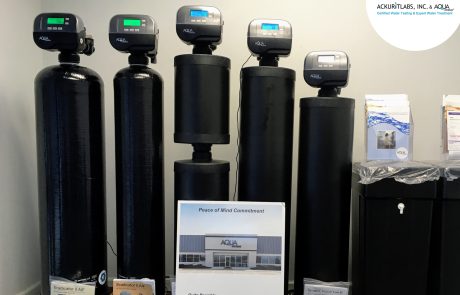
Inside the tank, tiny resin beads attract the minerals that cause scale and give up sodium or potassium in return, and the stored brine is topped up with salt as needed. Softened supply leaves less scale on fixtures, glass and heating elements, though a softener does little for iron staining beyond a modest level.
Conditioning Instead of Softening – Changing How Scale Forms
The minerals stay in the supply, but the device nudges them toward forming less scale on surfaces; they need no electricity in many designs. The results are described best as less crust, not no crust; being clear on this point prevents disputes later.
The Charcoal Option – Contact Time and Capacity
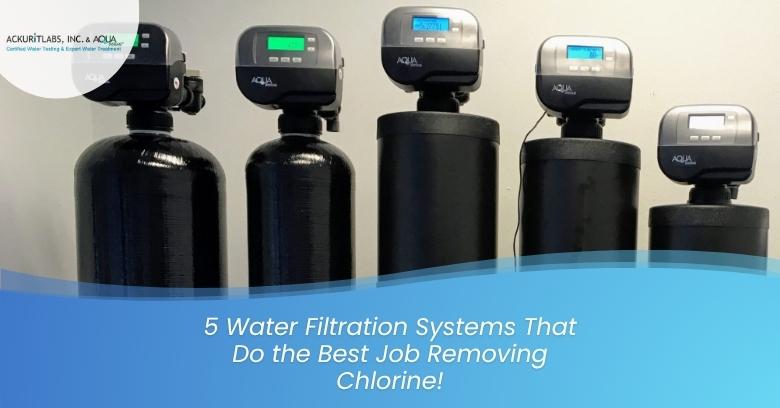
A carbon bed or block is the common answer when a city supply tastes or smells of disinfectant; each type of carbon targets specific compounds, so the media is picked to suit the finding. Contact time and flow rate affect results, and a unit pushed too hard performs worse; keeping a date on the housing is a good habit.
Housings and Replaceable Elements: Keeping Spare Elements
Particle filters are the first stage in many systems, catching whatever would clog the rest; a series of coarse then fine elements spreads the load. The installer chooses which element goes first, because a clogged first stage starves the rest; a wrench for the housing is a worthwhile purchase.
Reverse Osmosis: Where It Sits and What It Wastes
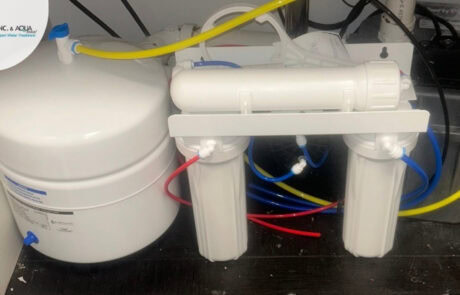
Dissolved solids stay on one side of the membrane and get flushed away, while larger units serve whole buildings. Some units add minerals back after the membrane to adjust taste, and the reject volume is worth asking about.
Oxidation Systems – Time, Dose and Cleanup
A chlorine injector meters a small amount of disinfectant into the line ahead of a holding tank; time in the tank is what makes the reaction complete. A backwashing filter often follows, clearing the particles the reaction produces; a wrong dose helps nobody.
Treating Everything or Just the Faucet – Matching Scope to Need
Equipment where the supply enters the building protects all the plumbing downstream; larger tanks and brine cabinets take real room. A point-of-use unit serves a single faucet, usually the kitchen, and suits drinking and cooking; a layout on paper avoids surprises.
Flow Rate and Capacity – Pressure Drop and Pace
Equipment is rated by how fast supply can pass through it and by how much it can treat before servicing; high readings use up capacity faster. An undersized system forces flow past the media too fast, which weakens the result; ask to see the numbers behind the recommendation.
Plumbing, Power and Drain Needs – Codes and Neighbors
Good installations include a way to route flow around the unit when needed; a drain line, an air gap and a nearby outlet come with a softener. Local plumbing and electrical rules may apply, and the installer is the one to know them; leave room to open the tank lid and swap a cartridge.
Wells Versus City Lines – Raw Groundwater Versus Treated
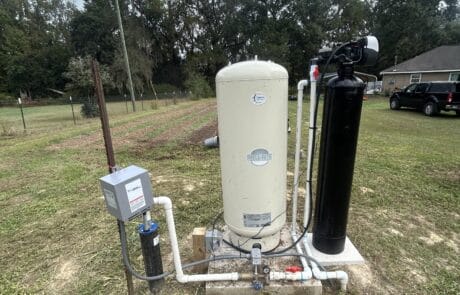
Raw well supply brings the chemistry of the ground straight to the plumbing, and the right system differs accordingly. A quick description of the plumbing path is enough to start the right conversation, and a lab report removes most of the guesswork.
After an Outage: Planning Before the Season
Pumps, injectors and controllers all depend on electricity, and an outage pauses every one of them, since a stuck valve is easier to catch early. Anything touched by flooding, including a well pump and chemical feed gear, deserves a professional look; keep manuals and settings notes together.
Where Everything Goes – Placement Decisions That Last
A recharge brings gurgling and flowing noises for a spell, usually at a scheduled hour; a garage, a utility closet or a pump house is the usual home. Leaving room to open lids, change cartridges and read gauges makes upkeep a quick job, and the installer can suggest a layout.
Upgrading What Is Already There – Reading Old Labels
Equipment bought long ago was chosen for a supply that may have changed since; a fresh lab panel shows whether the present system is still doing its job. New components usually have to fit the pipe sizes, the pressure and the drain already in place, and the installer should explain what is being kept.
Treatment at Business Scale – Coordinating With Maintenance
Boilers, cooling equipment and ice makers can be sensitive to scale, which shapes the design, and a controller can log regeneration cycles. Staff who run the building need to know where the valves are and what each one does, and the provider can supply those if asked.
Upkeep: Salt, Cartridges and Media
Every type of equipment has a consumable: salt for softeners, cartridges for filters, membranes for osmosis units; adjust to what the supply actually does. If stains come back, or the taste creeps back, something in the chain has used up its capacity; the provider can inspect and adjust.
The Second Sample – Filing the Evidence
The most reliable verification is a fresh panel run on the same items as before, which matters for cartridges and media that wear. Treatment can reduce certain items without eliminating them, and the report shows by how much, and keeping both reports together tells the story.
Limits to Keep in Mind – Read the Fine Print
Each technology removes some things and leaves others, so a layered setup is common; claims about results should point to a published test method. Anyone selling treatment equipment should be able to explain what it reduces and what it leaves alone; clear explanations are the best sign.
Comparing Proposals: Details That Separate Good Plans
- Which lab results is the proposal based on, and which items does it address; ask for the reasoning in writing.
- How is the unit set up at the start, and what will you be shown before the crew leaves; get the details itemized.
- Which items are checked on a routine visit, and which need special tools, and what does it say about future servicing.
Planning a System: Describe the Problem First
Contact Ackuritlabs And Aqua Systems at 850-616-2634 to ask what a sensible first step would be for your supply.
Bringing It Together: Next Steps
The reliable path runs from a lab figure, through a sensible choice of equipment, to a retest that shows the change, and for Water Treatment in North Quincy Area the first step is a conversation about the supply and the symptoms. You can speak with Ackuritlabs And Aqua Systems at 850-616-2634 about your plumbing and your goals, and share what the lab report shows.