Need Water Treatment for a Property in SouthWood Community?
Matching the device to the finding is what separates a useful installation from a blind guess; the sections below describe what each option does and where it stops.
Phone Ackuritlabs And Aqua Systems at 850-616-2634 to ask how an installation is planned.
Where Treatment Begins: Why Skipping It Backfires
A smell, a stain or a taste is a symptom, and the symptom alone rarely identifies the cure, which keeps the proposal tied to evidence. A first conversation commonly ends with advice on what to sample before the next step; skipping ahead is where most mismatches begin.
Softening – Swapping Minerals for Sodium or Potassium
The beads in a softener hold hardness minerals until they are rinsed clean; a control valve decides when to regenerate by clock or by usage. Less mineral reaching the pipes also means less deposit inside them; the lab result still decides what else belongs in the plan.
Conditioning Instead of Softening: an Honest Comparison
Conditioners leave the hardness figure unchanged and change the shape of the crystals that form, which suits some households and some local rules. Anyone expecting the soft feel of a true softener should know the two are different things, and a good provider explains that before the purchase.
Carbon Filtration: Matching Carbon to the Target
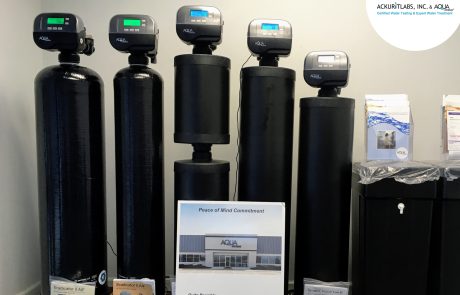
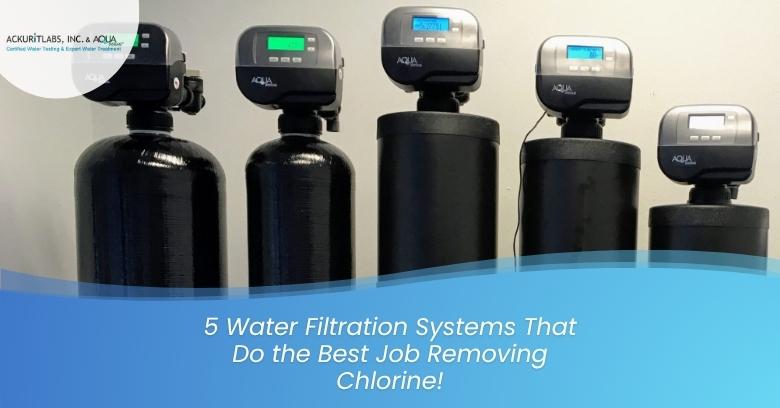
A carbon bed or block is the common answer when a city supply tastes or smells of disinfectant, and ordinary carbon handles free chlorine more easily than chloramine. Contact time and flow rate affect results, and a unit pushed too hard performs worse, and the maker's change interval is a guide, not a promise.
Cartridges and Sediment Filters – Catching Grit Before It Travels On
The simplest way to protect a pump, a softener or a fixture is usually a sediment screen ahead of it; a series of coarse then fine elements spreads the load. The installer chooses which element goes first, because a clogged first stage starves the rest; replacements are sold by size, so note the model.
High-Pressure Polishing: Where It Sits and What It Wastes
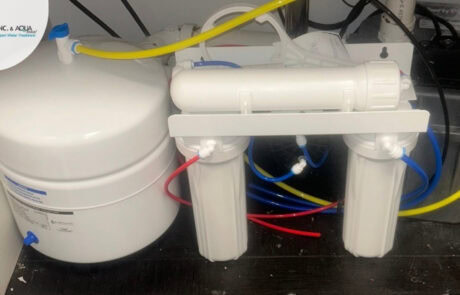
The membrane is the center of the system, flanked by pre-filters and a final carbon stage; compact units fit under a sink and serve a single tap. Some units add minerals back after the membrane to adjust taste; the provider can explain what to expect for your supply.
Feeding Chlorine Into the Line: a Metering Pump and a Retention Tank
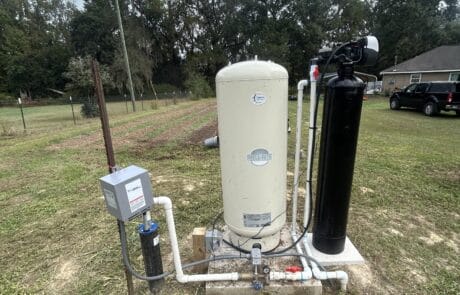
A pump, a tank and a backwashing filter form the heart of a chlorination setup; time in the tank is what makes the reaction complete. Residual chlorine has to be removed afterward, and a carbon filter normally takes that job, and the setup should be checked after the first weeks.
Whole-House or Single-Tap – Matching Scope to Need
A unit at the main line treats every tap, the shower, the washer and the water heater, and the machinery needs floor space near the main shutoff. Smaller units at one sink target what people drink, leaving the rest of the plumbing alone, and it shows which walls and lines are involved.
Flow Rate and Capacity – Pressure Drop and Pace
Ratings printed on the label describe the equipment, and the installer matches them to the building; a bigger tank may be the practical answer. A well-matched system suits the building rather than the biggest model on offer; ask to see the numbers behind the recommendation.
Practical Requirements: Tying Into Existing Lines
Good installations include a way to route flow around the unit when needed; chlorine feed pumps and contact tanks add their own requirements. Whoever does the installation should be able to say what the local rules ask for; leave room to open the tank lid and swap a cartridge.
What Changes by Source – Raw Groundwater Versus Treated
A well has no utility between it and the tap, so equipment often handles more of the load, and the right system differs accordingly. The provider needs to know which source feeds the house before suggesting anything; photos of the existing equipment help.
Storms and Power Interruptions – Resetting the Clock and the Valve
Softeners and filters with electronic controllers can lose their settings in a long outage unless a backup battery holds them; checking the time and the settings after power returns takes a minute. Anything touched by flooding, including a well pump and chemical feed gear, deserves a professional look; write down the shutoff locations.
Noise, Space and Appearance: Garages, Closets and Mechanical Rooms
Compressors and pumps are the noisiest parts of larger systems, and they normally sit in a mechanical space, and a level pad keeps tanks from shifting. Equipment is easiest to live with when the controls and the drain sit where a person can reach them, and the provider should ask about access.
Upgrading What Is Already There – Reading Old Labels
Many properties already have a tank, a filter housing or an under-sink unit, and the question is whether it still suits the supply, which helps weigh a repair against a new unit. New components usually have to fit the pipe sizes, the pressure and the drain already in place, and old manuals are worth saving.
When a Property Has Many Users: Written Specifications
Boilers, cooling equipment and ice makers can be sensitive to scale, which shapes the design; the existing mechanical room often decides what fits. Training the people on site about shutoffs and alarms prevents small problems from growing, and it supports any later troubleshooting.
Maintenance Rhythm: What Gets Neglected
Soft supply depends on a brine tank that is kept stocked; adjust to what the supply actually does. Noisy valves, salt bridges in the tank and slow flow are signs worth a look; do not wait for a complete failure.
Confirming the Result – Numbers, Not Impressions
A sample collected after the system is running shows whether the problem was solved, which matters for cartridges and media that wear. Treatment can reduce certain items without eliminating them, and the report shows by how much; dates on everything keep the record clear.
Expectations Worth Setting: No Single Device Fixes Everything
Each technology removes some things and leaves others, so a layered setup is common; ask for the specific substances a product addresses. A provider unwilling to discuss limits is one to think twice about; nothing here replaces advice for your property.
A Short Interview: Details That Separate Good Plans
- Is the recommended size tied to the lab figures and the household's flow, and what stays the same afterward.
- Where will the drain, the power and the bypass go, and what will be cut or moved; ask for a copy of the manuals too.
- How will you know the equipment is working a few months from now, and what does it say about future servicing.
Planning a System: Questions Are the Starting Point
Phone Ackuritlabs And Aqua Systems at 850-616-2634 and ask what to collect before any equipment is chosen.
Pulling the Threads: Matching Hardware to the Finding
Good outcomes come from habits worth repeating: testing first, buying second and checking afterward, and for Water Treatment in SouthWood Community the first step is a conversation about the supply and the symptoms. You can speak with Ackuritlabs And Aqua Systems at 850-616-2634 about your plumbing and your goals; the call goes quickly.