Need Water Treatment Across Northeast Perry Area?
Matching the device to the finding is what separates a useful installation from a blind guess; the sections below describe what each option does and where it stops.
Call Ackuritlabs And Aqua Systems at 850-616-2634 to talk through what the tap has been doing.
The Order of Operations – Reading the Problem Correctly
A smell, a stain or a taste is a symptom, and the symptom alone rarely identifies the cure; having a report on hand speeds everything up. A first conversation commonly ends with advice on what to sample before the next step, and the choice of equipment follows once the numbers arrive.
The Salt-Based Softener: Regeneration in Plain Terms
Hardness minerals stick to a charged resin, which swaps them for sodium or potassium ions; when the beads fill up, a brine rinse flushes the captured minerals to a drain. Laundry and dishes tend to come out cleaner where the minerals have been removed, and it will not change the taste of the supply on its own.
Scale Control Without Salt – Changing How Scale Forms
The minerals stay in the supply, but the device nudges them toward forming less scale on surfaces, which suits some households and some local rules. Expect scale to be reduced rather than eliminated, and expect no change in how soap lathers, and it helps compare options fairly.
Adsorption Media – Granular Beds and Blocks
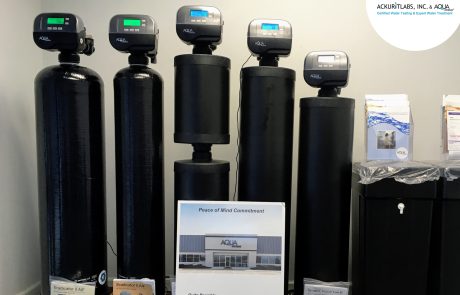
Surfaces inside the carbon grab onto particular chemicals, leaving a cleaner taste behind, and ordinary carbon handles free chlorine more easily than chloramine. Carbon has a limited capacity, and once it is spent, it stops doing its job, and the maker's change interval is a guide, not a promise.
Housings and Replaceable Elements – Why Order Matters
Particle filters are the first stage in many systems, catching whatever would clog the rest, which lets each cartridge last longer. The installer chooses which element goes first, because a clogged first stage starves the rest; replacements are sold by size, so note the model.
The Under-Sink Purifier – Dissolved Solids Reduced
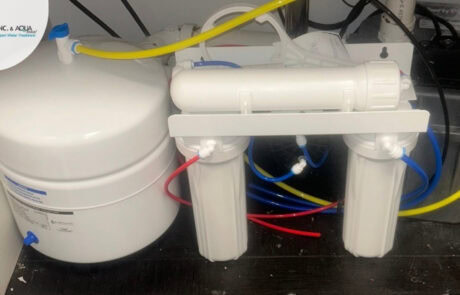
The membrane is the center of the system, flanked by pre-filters and a final carbon stage; compact units fit under a sink and serve a single tap. Some units add minerals back after the membrane to adjust taste; ask for the maintenance schedule in writing.
Injectors and Contact Tanks – the Carbon Stage Afterward
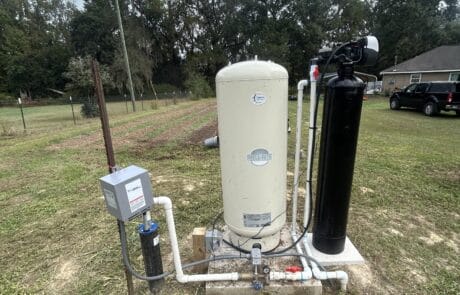
Where a well carries iron, sulfur or microbes, injecting chlorine is a long-established approach; time in the tank is what makes the reaction complete. The final stage polishes taste and removes what remains of the disinfectant, and chemical equipment is installed and set up with care.
Scope of a System – One Tap, One Sink, One Appliance
A unit at the main line treats every tap, the shower, the washer and the water heater; the flow at the entry is worth measuring before ordering. Single-tap filters and membranes work where only drinking supply needs the extra step; a layout on paper avoids surprises.
Flow Rate and Capacity – Pressure Drop and Pace
Equipment is rated by how fast supply can pass through it and by how much it can treat before servicing; a bigger tank may be the practical answer. When a unit is too small, pressure falls at fixtures during busy mornings; the sizing is not a mystery.
What the Job Requires: Tying Into Existing Lines
Shutoffs on both sides of a unit make servicing simple; chlorine feed pumps and contact tanks add their own requirements. Whoever does the installation should be able to say what the local rules ask for; a tidy install is easier to maintain.
Wells Versus City Lines: Planning Around the Source
Private wells deliver untreated groundwater, which can carry iron, sulfur, hardness and microbes, whereas chlorine and chloramine lead the list on a city line. The provider needs to know which source feeds the house before suggesting anything; photos of the existing equipment help.
Hurricane-Season Readiness – Protecting Gear From Surge and Silt
A unit left without power may skip a scheduled recharge, which leaves the media tired when flow resumes; checking the time and the settings after power returns takes a minute. If floodwater covered the wellhead, the supply itself needs a fresh lab sample; write down the shutoff locations.
Noise, Space and Appearance – Placement Decisions That Last
Compressors and pumps are the noisiest parts of larger systems, and they normally sit in a mechanical space; clear floor space around a tank makes salt loading simple. Leaving room to open lids, change cartridges and read gauges makes upkeep a quick job, and the provider should ask about access.
Upgrading What Is Already There – Reading Old Labels
A house may come with equipment that nobody remembers installing, so a look at the labels is the first step; a fresh lab panel shows whether the present system is still doing its job. Adding a stage to an existing setup requires attention to order, flow rate and pressure drop, and the installer should explain what is being kept.
When a Property Has Many Users – Coordinating With Maintenance
Business equipment is sized for higher flows and often arranged in pairs so one tank can work while the other recharges; the existing mechanical room often decides what fits. Commercial owners usually want service records, so the system should make them easy to keep, and it supports any later troubleshooting.
Service Schedule: Salt, Cartridges and Media
Resin beads age slowly, and cartridges and pre-filters age quickly; a simple calendar reminder prevents most lapses. If stains come back, or the taste creeps back, something in the chain has used up its capacity, and a retest confirms the numbers.
Closing the Loop – Numbers, Not Impressions
The most reliable verification is a fresh panel run on the same items as before; schedule it when the system goes in. Treatment can reduce certain items without eliminating them, and the report shows by how much; a short note on the equipment installed completes the record.
Limits to Keep in Mind – Matching Promises to Physics
A softener will not make a supply taste different, and a carbon filter will not soften it; ask for the specific substances a product addresses. Honest answers sound specific, and vague answers sound like a sales line, and a plain no is sometimes the most useful answer.
A Short Interview: Details That Separate Good Plans
- Which readings on the report are meant to change, and which are not expected to; vague answers deserve a follow-up.
- Where will the drain, the power and the bypass go, and what will be cut or moved; ask for a copy of the manuals too.
- How will you know the equipment is working a few months from now, and what does it say about future servicing.
Planning a System: Bring What You Know
Call Ackuritlabs And Aqua Systems at 850-616-2634 and ask what to collect before any equipment is chosen.
The Short Version: Test, Choose, Install, Confirm
The reliable path runs from a lab figure, through a sensible choice of equipment, to a retest that shows the change, and everything above about Water Treatment in Northeast Perry Area is general background, not a verdict. To get started, reach Ackuritlabs And Aqua Systems at 850-616-2634; the call goes quickly.