Thinking About Water Treatment Throughout Northeast Wakulla Area?
Each piece of hardware on the market answers a particular complaint, and none answers all of them; the sections below put the options in plain language.
Contact Ackuritlabs And Aqua Systems at 850-616-2634 and describe the stains, scale or smells you want gone.
The Step Ahead of the Purchase – Reading the Problem Correctly
Taste and appearance narrow the field, though only a lab report settles it, and the figure is what a provider uses to size and pick the unit. Even a brief description of the symptoms helps decide which measurements to order; skipping ahead is where most mismatches begin.
Taking Out Hardness – Swapping Minerals for Sodium or Potassium
A conventional softener passes the supply through a bed of resin beads that grab calcium and magnesium, and the stored brine is topped up with salt as needed. Softened supply leaves less scale on fixtures, glass and heating elements; the lab result still decides what else belongs in the plan.
Scale Control Without Salt: What They Do and Do Not Do
The minerals stay in the supply, but the device nudges them toward forming less scale on surfaces, and maintenance is limited to replacing the media on a schedule. The results are described best as less crust, not no crust, and a good provider explains that before the purchase.
Activated Carbon: Chlorine, Odors and Organic Traces
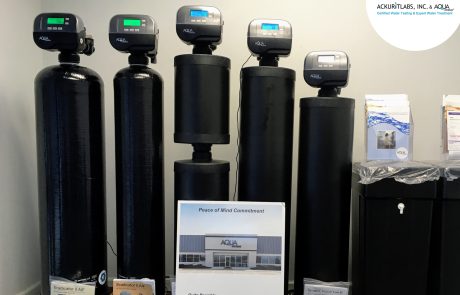
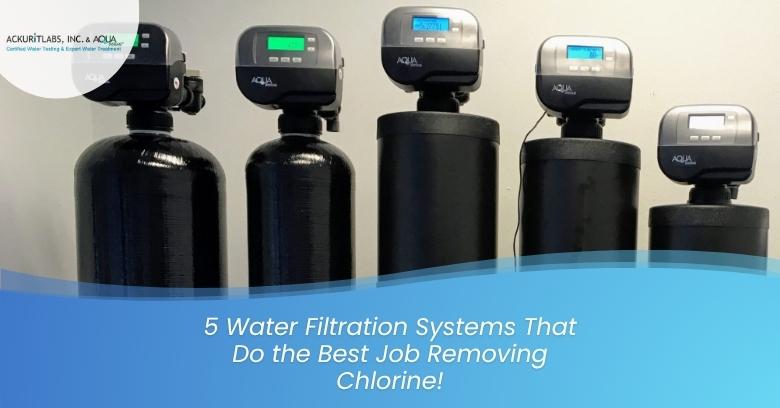
Surfaces inside the carbon grab onto particular chemicals, leaving a cleaner taste behind; it helps to know what the utility adds. Carbon has a limited capacity, and once it is spent, it stops doing its job; a pre-filter often extends the life of the carbon.
Housings and Replaceable Elements – Why Order Matters
The simplest way to protect a pump, a softener or a fixture is usually a sediment screen ahead of it, and a smaller rating catches finer particles but clogs sooner. Carbon cartridges, including carbon block types, often sit downstream of the sediment stage; replacements are sold by size, so note the model.
Reverse Osmosis: Fair Expectations
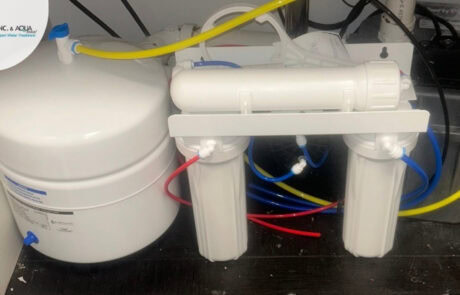
Dissolved solids stay on one side of the membrane and get flushed away; most home units sit under a sink and serve one tap. The reduction achieved depends on membrane condition, pressure and what is in the feed, and a membrane may last for a long stretch if it is protected.
Treating Iron, Sulfur and Microbes – Time, Dose and Cleanup
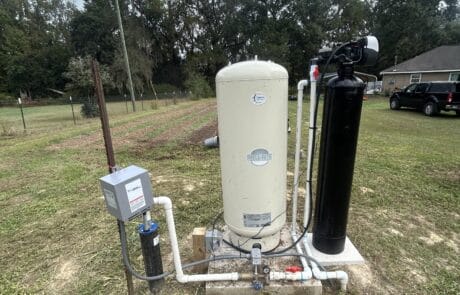
A chlorine injector meters a small amount of disinfectant into the line ahead of a holding tank; the tank is sized to the flow of the well. The final stage polishes taste and removes what remains of the disinfectant; chemicals are stored and handled according to the label.
Whole-House or Single-Tap: Planning the Pipe Run
Whole-house layouts put one set of equipment ahead of every fixture; larger tanks and brine cabinets take real room. A point-of-use unit serves a single faucet, usually the kitchen, and suits drinking and cooking; ask for a simple diagram of the plan.
Flow Rate and Capacity: Room to Grow
Ratings printed on the label describe the equipment, and the installer matches them to the building, along with the hardness or iron level on the lab report. Oversizing has drawbacks too, since idle media can foul and extra tanks need space; the sizing is not a mystery.
Space and Connections: Bypass Valves, Drains and Outlets
Valves around the equipment allow it to be taken out of service in minutes; a drain line, an air gap and a nearby outlet come with a softener. Checking with the local office is sensible before anything is cut or glued, and access for servicing should be planned from the start.
What Changes by Source: Different Problems, Different Gear
Private wells deliver untreated groundwater, which can carry iron, sulfur, hardness and microbes; sediment and iron tend to be the early concerns. A quick description of the plumbing path is enough to start the right conversation; photos of the existing equipment help.
After an Outage: Planning Before the Season
A unit left without power may skip a scheduled recharge, which leaves the media tired when flow resumes, and a surge protector on the outlet is sensible protection for the electronics. If floodwater covered the wellhead, the supply itself needs a fresh lab sample; keep manuals and settings notes together.
Noise, Space and Appearance: Garages, Closets and Mechanical Rooms
A recharge brings gurgling and flowing noises for a spell, usually at a scheduled hour; a garage, a utility closet or a pump house is the usual home. Some owners build a small enclosure, though it must not block air or access; a sketch of the space helps the planning.
Working With Existing Equipment: Planning a Sensible Sequence
Equipment bought long ago was chosen for a supply that may have changed since; a fresh lab panel shows whether the present system is still doing its job. The simplest upgrade is often a fresh set of cartridges or media, not a new system; nothing is replaced without a reason.
When a Property Has Many Users: Written Specifications
Restaurants, offices and apartment buildings draw far more than a house, and the gear is scaled to match; a duplex arrangement keeps soft supply flowing through each recharge. Training the people on site about shutoffs and alarms prevents small problems from growing; ask what monitoring the equipment offers.
Keeping Equipment in Shape – Setting Reminders
Treatment is not a one-time purchase, since something wears out or runs low on every system; keep the paperwork in one place. Bad smells from a filter housing mean it has gone too long; do not wait for a complete failure.
The Second Sample – Filing the Evidence
A sample collected after the system is running shows whether the problem was solved, and the lab can run the identical methods again. Treatment can reduce certain items without eliminating them, and the report shows by how much; the file is useful for a future sale.
Where Hardware Stops: Questions for Any Seller
Marketing language tends to be broader than what a product actually does; claims about results should point to a published test method. A fair provider will tell you when equipment is not the fix, or not the whole fix, and the same standard applies to anything written on this page.
Questions for a Provider – Everything in Writing
- What does the proposal assume about hardness, iron and chlorine, and where did those figures come from; a specific answer is what you want.
- How is the unit set up at the start, and what will you be shown before the crew leaves; ask for a copy of the manuals too.
- What signs should prompt a call before the next scheduled check; write the answers down.
Start the Conversation – One Call Sorts Out Next Steps
Contact Ackuritlabs And Aqua Systems at 850-616-2634 and ask what to collect before any equipment is chosen.
Bringing It Together – the Sequence That Works
A dependable setup follows a sequence: measure the supply, pick equipment to suit, install it carefully and test again; whatever has brought you to read about Water Treatment near Northeast Wakulla Area, a short call sorts out where to begin. Call 850-616-2634 to reach Ackuritlabs And Aqua Systems and talk over your situation; mention whether the supply is a well or a utility line.