Weighing Options for Water Treatment Across Crawfordville Area?
Good installations start from a lab result and work toward a device that suits it; the sections below describe what each option does and where it stops.
Dial Ackuritlabs And Aqua Systems at 850-616-2634 to ask how an installation is planned.
Where Treatment Begins: Why Skipping It Backfires
Three households with the same complaint can need three different systems, because the underlying chemistry differs; most reputable providers ask for results before quoting a system. A first conversation commonly ends with advice on what to sample before the next step; the equipment decision waits until the numbers are in.
Resin Tanks: a Bed of Beads and a Brine Tank
Inside the tank, tiny resin beads attract the minerals that cause scale and give up sodium or potassium in return; the unit needs a drain line and a power outlet. Scale buildup on heaters, kettles and shower heads slows down where hardness has been removed, and it will not change the taste of the supply on its own.
Template-Assisted Units – Changing How Scale Forms
Nothing is exchanged, so the lab number for hardness reads the same before and after; they need no electricity in many designs. Expect scale to be reduced rather than eliminated, and expect no change in how soap lathers; being clear on this point prevents disputes later.
The Charcoal Option: Chlorine, Odors and Organic Traces
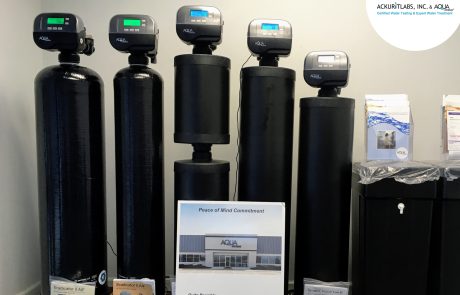
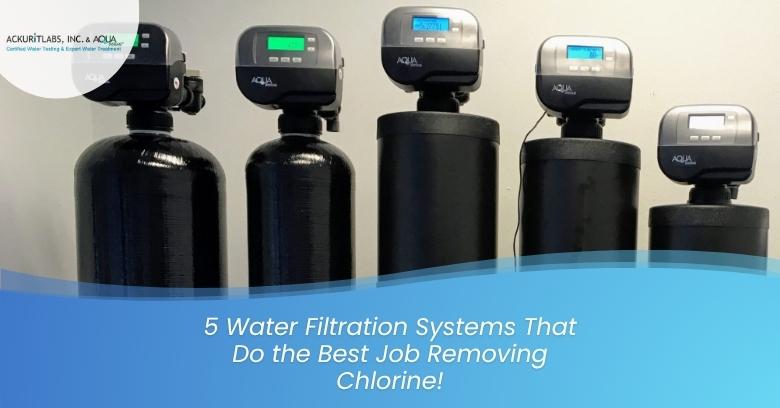
Carbon holds onto certain compounds as supply passes through, which cuts chlorine taste and some odors; each type of carbon targets specific compounds, so the media is picked to suit the finding. Carbon has a limited capacity, and once it is spent, it stops doing its job; keeping a date on the housing is a good habit.
Housings and Replaceable Elements: Reading the Micron Number
A housing on the line holds a cartridge that screens out particles above a chosen size, and the sequence is part of the design. A carbon cartridge installed in the same housing style handles taste while the sediment unit handles grit, and a pressure gauge on each side of the housing makes that visible.
High-Pressure Polishing – Dissolved Solids Reduced
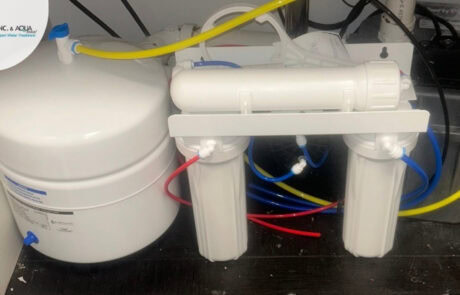
A small pump or the line pressure drives the flow through a membrane with extremely fine pores, and a small storage tank holds finished supply for the dedicated faucet. Reverse osmosis units reduce many dissolved substances, though performance varies by model and by supply, and the reject volume is worth asking about.
Feeding Chlorine Into the Line: Why Dose Control Matters
A chlorine injector meters a small amount of disinfectant into the line ahead of a holding tank; the tank is sized to the flow of the well. A backwashing filter often follows, clearing the particles the reaction produces; dosing is not a do-it-yourself guess.
Treating Everything or Just the Faucet: Choosing the Footprint
Equipment where the supply enters the building protects all the plumbing downstream; the flow at the entry is worth measuring before ordering. Single-tap filters and membranes work where only drinking supply needs the extra step, and the two approaches work well together.
Sizing – People, Fixtures and Usage
Ratings printed on the label describe the equipment, and the installer matches them to the building; the number of bathrooms and people is part of the calculation. Equipment that is too small works harder and wears out sooner; ask to see the numbers behind the recommendation.
Space and Connections: Tying Into Existing Lines
Shutoffs on both sides of a unit make servicing simple; the installer plans the route up front. Local plumbing and electrical rules may apply, and the installer is the one to know them, and clear labels on valves help the next person.
Wells Versus City Lines: Planning Around the Source
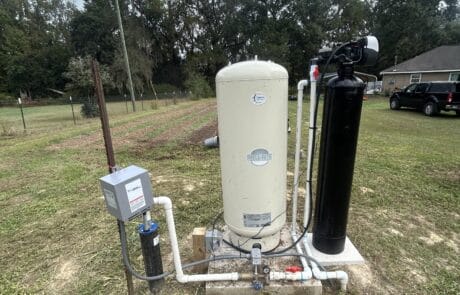
A well has no utility between it and the tap, so equipment often handles more of the load; wells also bring a pump and a pressure tank into the plan. A quick description of the plumbing path is enough to start the right conversation; each property gets its own plan.
When the Lights Go Out: Controllers, Pumps and Flooding
Electronic valves keep time with the power, so a clock that resets can trigger recharges at odd hours, and the manual shows how to reset the controller. Silt in a housing, a wet motor or a corroded joint can turn a repair into a replacement, and the provider can describe what a post-storm check involves.
Practical Details Homeowners Ask About: Keeping the Area Tidy
Most residential units are quiet, and the sounds they make are short bursts when a valve cycles or a recharge runs, and a level pad keeps tanks from shifting. A tidy installation labels valves, supports the plumbing and keeps the area dry, and the provider should ask about access.
Upgrading What Is Already There – Reading Old Labels
Inherited hardware is worth examining before anything new is added, and the readings guide whether to repair, keep or replace. The simplest upgrade is often a fresh set of cartridges or media, not a new system; photographs of the current setup speed up the first conversation.
Commercial Systems: Boilers, Ice Machines and Kitchens
Larger buildings may need several tanks and manifolds, not one household unit; a duplex arrangement keeps soft supply flowing through each recharge. Staff who run the building need to know where the valves are and what each one does; ask what monitoring the equipment offers.
Keeping Equipment in Shape – Small Tasks That Protect Big Parts
Soft supply depends on a brine tank that is kept stocked; a label on each housing with the install date helps. Bad smells from a filter housing mean it has gone too long, and a service call beats a failed system.
Verifying What Changed – Filing the Evidence
Comparing a new lab report against the original is how a household confirms the hardware did its job; a retest a few months in shows whether the system is holding. If a reading is still high, the report guides the next adjustment; the file is useful for a future sale.
Expectations Worth Setting – Matching Promises to Physics
Marketing language tends to be broader than what a product actually does; compare the data sheet with your lab report. If a proposal does not mention the lab results, ask how it was reached; clear explanations are the best sign.
Before You Sign – Everything in Writing
- Which readings on the report are meant to change, and which are not expected to; vague answers deserve a follow-up.
- Where will the drain, the power and the bypass go, and what will be cut or moved; get the details itemized.
- Where should the paperwork for the system be stored; write the answers down.
Talking It Through: Bring What You Know
Speak with Ackuritlabs And Aqua Systems at 850-616-2634 and describe the house, the plumbing and what you want changed.
Bringing It Together – Upkeep Keeps It Working
Good outcomes come from habits worth repeating: testing first, buying second and checking afterward, because each property in Crawfordville Area has its own story, whatever any page says about Water Treatment. The number to call is 850-616-2634, and the conversation is the first step, and share what the lab report shows.