Thinking About Water Treatment Across East Woodville Area?
Each piece of hardware on the market answers a particular complaint, and none answers all of them; read on for how the pieces fit together.
Speak with Ackuritlabs And Aqua Systems at 850-616-2634 to ask which questions come before any equipment.
The Step Ahead of the Purchase – Reading the Problem Correctly
A smell, a stain or a taste is a symptom, and the symptom alone rarely identifies the cure; having a report on hand speeds everything up. A first conversation commonly ends with advice on what to sample before the next step, and the choice of equipment follows once the numbers arrive.
Softening: How the Resin Works
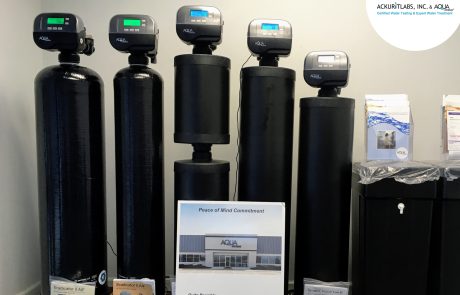
The beads in a softener hold hardness minerals until they are rinsed clean; when the beads fill up, a brine rinse flushes the captured minerals to a drain. Softened supply leaves less scale on fixtures, glass and heating elements, though a softener does little for iron staining beyond a modest level.
Salt-Free Conditioners: an Honest Comparison
Nothing is exchanged, so the lab number for hardness reads the same before and after; people choose these devices to avoid salt, brine discharge and a drain connection. A conditioner will not give the slick feel that a softened supply has in the shower, and it helps compare options fairly.
Adsorption Media – Granular Beds and Blocks
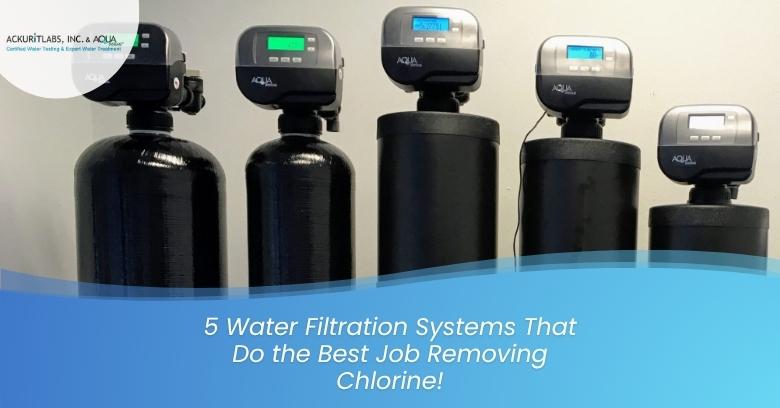
Surfaces inside the carbon grab onto particular chemicals, leaving a cleaner taste behind; it helps to know what the utility adds. A saturated filter can release what it captured, which is why change schedules matter, and the maker's change interval is a guide, not a promise.
Housings and Replaceable Elements – Why Order Matters
Grit and flakes get stopped by a pleated or wound element sitting in a clear or opaque canister; the rating, given in microns, states how small a particle the element is built to catch. A carbon cartridge installed in the same housing style handles taste while the sediment unit handles grit; replacements are sold by size, so note the model.
Drinking Supply Upgrades – Dissolved Solids Reduced
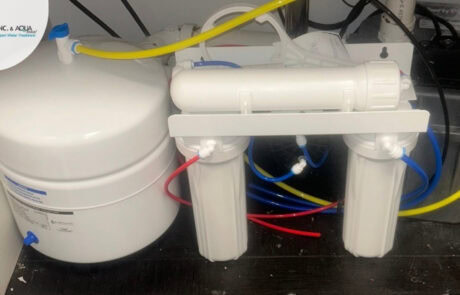
A membrane passes the liquid and rejects a large share of dissolved salts and other solids, and a small storage tank holds finished supply for the dedicated faucet. A lab test before and after is the reliable way to know what a particular system achieves; the provider can explain what to expect for your supply.
Feeding Chlorine Into the Line: a Metering Pump and a Retention Tank
A chlorine injector meters a small amount of disinfectant into the line ahead of a holding tank; time in the tank is what makes the reaction complete. Where the supply is meant for drinking, the leftover chlorine is filtered off; chemicals are stored and handled according to the label.
Where the Equipment Sits – Matching Scope to Need
Equipment where the supply enters the building protects all the plumbing downstream; larger tanks and brine cabinets take real room. Many households combine both: a main-line device for scale and a sink model for taste; the provider can sketch where each unit would go.
Sizing: What Undersizing Looks Like
Equipment is rated by how fast supply can pass through it and by how much it can treat before servicing; high readings use up capacity faster. Equipment that is too small works harder and wears out sooner, and an installer should explain why a particular size was chosen.
Installation Details: Bypass Valves, Drains and Outlets
A bypass lets the household isolate a unit without shutting off the whole supply, and electrical needs vary from a plug-in transformer to a dedicated circuit. Whoever does the installation should be able to say what the local rules ask for; a tidy install is easier to maintain.
Private Source or Public Main: Different Problems, Different Gear
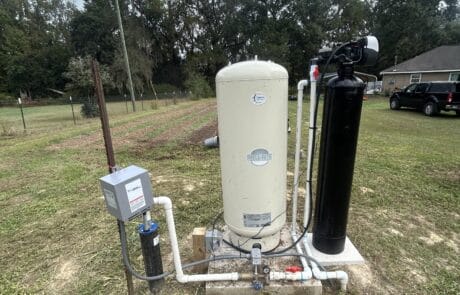
City lines usually deliver a steady, disinfected supply, so the complaints tend to be taste and scale; wells also bring a pump and a pressure tank into the plan. Because the two sources differ, the same product can be a great fit on one and wasted on the other; neighbors on the same aquifer can still differ.
When the Lights Go Out: Planning Before the Season
Pumps, injectors and controllers all depend on electricity, and an outage pauses every one of them, and a surge protector on the outlet is sensible protection for the electronics. Anything touched by flooding, including a well pump and chemical feed gear, deserves a professional look, and the provider can describe what a post-storm check involves.
Day-to-Day Presence – Placement Decisions That Last
A recharge brings gurgling and flowing noises for a spell, usually at a scheduled hour, and a level pad keeps tanks from shifting. A tidy installation labels valves, supports the plumbing and keeps the area dry; a tank that cannot get through a doorway is a common surprise.
Inherited Hardware: Planning a Sensible Sequence
Many properties already have a tank, a filter housing or an under-sink unit, and the question is whether it still suits the supply, and the readings guide whether to repair, keep or replace. New components usually have to fit the pipe sizes, the pressure and the drain already in place; photographs of the current setup speed up the first conversation.
Larger Buildings and Heavier Demand: Boilers, Ice Machines and Kitchens
Commercial installations are usually specified on paper, with flow rates and targets spelled out; a duplex arrangement keeps soft supply flowing through each recharge. A property manager benefits from a maintenance plan that lists tasks, intervals and who does them; ask what monitoring the equipment offers.
Upkeep: What Gets Neglected
Soft supply depends on a brine tank that is kept stocked; a label on each housing with the install date helps. Warning signs include a return of the old taste, scale reappearing and a drop in pressure; do not wait for a complete failure.
The Second Sample: When to Retest
The most reliable verification is a fresh panel run on the same items as before; a retest a few months in shows whether the system is holding. Some substances respond well and others hardly at all, which the new figures reveal; a short note on the equipment installed completes the record.
Where Hardware Stops – Read the Fine Print
Each technology removes some things and leaves others, so a layered setup is common; ask for the specific substances a product addresses. Honest answers sound specific, and vague answers sound like a sales line, and the same standard applies to anything written on this page.
Comparing Proposals: Details That Separate Good Plans
- Is the recommended size tied to the lab figures and the household's flow, and the proposal should say so on paper.
- What parts and consumables are needed, and how often do they need replacing; ask for a copy of the manuals too.
- Which items are checked on a routine visit, and which need special tools; follow-up is as important as the install.
Talking It Through – Share Your Lab Report
Dial Ackuritlabs And Aqua Systems at 850-616-2634 and describe the house, the plumbing and what you want changed.
Bringing It Together: Next Steps
Good outcomes come from habits worth repeating: testing first, buying second and checking afterward; this page on Water Treatment in East Woodville Area is a starting point, and the details of each property decide the rest. Questions are welcome at 850-616-2634, where Ackuritlabs And Aqua Systems can lay out the options; the details you share shape the advice.