Weighing Options for Water Treatment Throughout Summerbrooke Neighborhood?
Equipment gets chosen to fix a measured problem, and the fix is only as good as the diagnosis behind it; the sections below describe what each option does and where it stops.
Speak with Ackuritlabs And Aqua Systems at 850-616-2634 to talk through what the tap has been doing.
Before Any Equipment – Results Decide the Hardware
Three households with the same complaint can need three different systems, because the underlying chemistry differs; having a report on hand speeds everything up. Anyone without a recent report can usually be pointed to a suitable panel first; the equipment decision waits until the numbers are in.
Taking Out Hardness – What It Fixes and What It Leaves
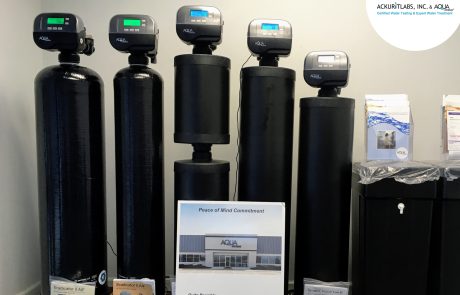
Inside the tank, tiny resin beads attract the minerals that cause scale and give up sodium or potassium in return; the unit needs a drain line and a power outlet. Where a softener is sized correctly, white crust becomes much less of a chore, though a softener does little for iron staining beyond a modest level.
Conditioning Instead of Softening: No Drain, No Salt, Different Results
These devices work on how scale sticks, and they do not strip the minerals out, though results vary with the water and the model. The results are described best as less crust, not no crust; ask what the device will not do.
Adsorption Media – Contact Time and Capacity
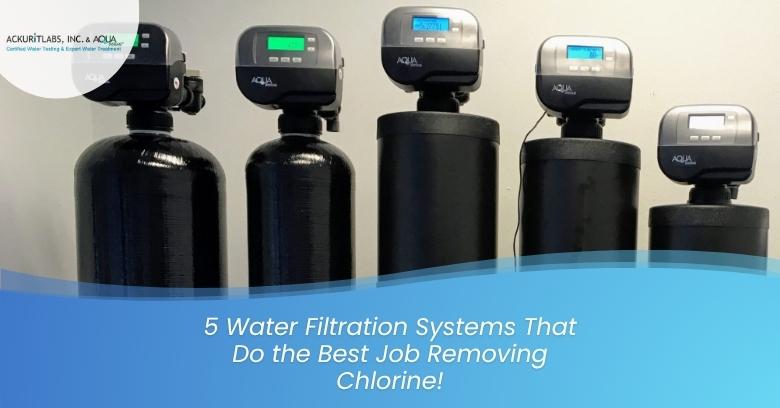
A carbon bed or block is the common answer when a city supply tastes or smells of disinfectant; it helps to know what the utility adds. Every carbon filter eventually fills up, so replacement or backwashing is part of owning one; a taste that creeps back is the usual reminder.
Housings and Replaceable Elements: Sizes, Ratings and Swaps
A housing on the line holds a cartridge that screens out particles above a chosen size; a series of coarse then fine elements spreads the load. Putting stages in the wrong order shortens the life of the costlier cartridge; a wrench for the housing is a worthwhile purchase.
Drinking Supply Upgrades: Where It Sits and What It Wastes
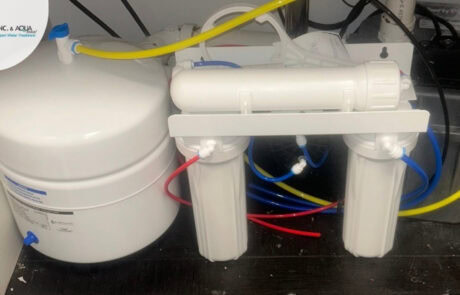
Pressure pushes the supply against a semipermeable membrane, and most dissolved material is held back; most home units sit under a sink and serve one tap. A lab test before and after is the reliable way to know what a particular system achieves; the provider can explain what to expect for your supply.
Treating Iron, Sulfur and Microbes – Time, Dose and Cleanup
Where a well carries iron, sulfur or microbes, injecting chlorine is a long-established approach; the tank is sized to the flow of the well. After the contact tank, a carbon stage strips leftover chlorine so the tap smells clean; a wrong dose helps nobody.
Whole-House or Single-Tap – One Tap, One Sink, One Appliance
Equipment where the supply enters the building protects all the plumbing downstream; scale, iron and chlorine are the usual reasons to go this route. Single-tap filters and membranes work where only drinking supply needs the extra step; the provider can sketch where each unit would go.
Sizing: Room to Grow
Equipment is rated by how fast supply can pass through it and by how much it can treat before servicing; a unit that is too small shortens the time between regenerations. An undersized system forces flow past the media too fast, which weakens the result; the sizing is not a mystery.
Installation Details: Tying Into Existing Lines
Most systems need a bypass valve so the plumbing can keep flowing during service; the walk-through before work matters. Codes affect drain connections, backflow protection and the placement of equipment; leave room to open the tank lid and swap a cartridge.
Wells Versus City Lines: Different Problems, Different Gear
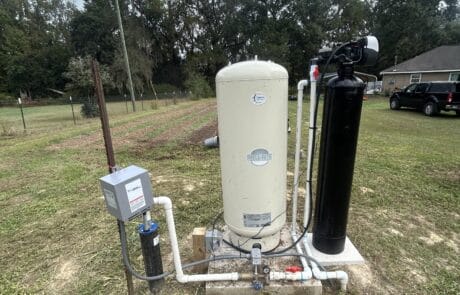
Private wells deliver untreated groundwater, which can carry iron, sulfur, hardness and microbes; wells also bring a pump and a pressure tank into the plan. A quick description of the plumbing path is enough to start the right conversation; photos of the existing equipment help.
Storms and Power Interruptions: What to Check Afterward
Softeners and filters with electronic controllers can lose their settings in a long outage unless a backup battery holds them; a quick look at the salt level and the drain line completes the check. Anything touched by flooding, including a well pump and chemical feed gear, deserves a professional look; photographs taken before the season make later comparisons easier.
Practical Details Homeowners Ask About – Placement Decisions That Last
Most residential units are quiet, and the sounds they make are short bursts when a valve cycles or a recharge runs, and the location is chosen to keep lines short and service easy. Some owners build a small enclosure, though it must not block air or access, and the provider should ask about access.
Upgrading What Is Already There: Test Before Deciding
Older units may still work but have worn parts, such as seals, valves, resin or membranes, and the provider can often read the date code. Adding a stage to an existing setup requires attention to order, flow rate and pressure drop; nothing is replaced without a reason.
Commercial Systems: Duplex Tanks and Bigger Flows
Boilers, cooling equipment and ice makers can be sensitive to scale, which shapes the design; the existing mechanical room often decides what fits. Commercial owners usually want service records, so the system should make them easy to keep, because early warning beats a repair.
Maintenance Rhythm: Signs a Unit Needs Attention
Resin beads age slowly, and cartridges and pre-filters age quickly; a label on each housing with the install date helps. Bad smells from a filter housing mean it has gone too long, and a service call beats a failed system.
The Second Sample: Tracking Performance
Measurements taken after setup show the change in black and white; collecting at the same tap, in the same way, keeps the comparison fair. Treatment can reduce certain items without eliminating them, and the report shows by how much, and keeping both reports together tells the story.
What Equipment Cannot Do: Misuse and Misfit
A softener will not make a supply taste different, and a carbon filter will not soften it; compare the data sheet with your lab report. Anyone selling treatment equipment should be able to explain what it reduces and what it leaves alone; clear explanations are the best sign.
A Short Interview: Points Worth Raising
- What does the proposal assume about hardness, iron and chlorine, and where did those figures come from, and what stays the same afterward.
- How is the unit set up at the start, and what will you be shown before the crew leaves; clear scope prevents surprises.
- Which items are checked on a routine visit, and which need special tools, and what does it say about future servicing.
Getting Advice – One Call Sorts Out Next Steps
Speak with Ackuritlabs And Aqua Systems at 850-616-2634 to find out how a system would be planned and sized.
Pulling the Threads: Matching Hardware to the Finding
A dependable setup follows a sequence: measure the supply, pick equipment to suit, install it carefully and test again, and everything above about Water Treatment in Summerbrooke Neighborhood is general background, not a verdict. Questions are welcome at 850-616-2634, where Ackuritlabs And Aqua Systems can lay out the options, and say what you would like to change.