Need Water Treatment in South Woodville Area?
Matching the device to the finding is what separates a useful installation from a blind guess; the sections below describe what each option does and where it stops.
Phone Ackuritlabs And Aqua Systems at 850-616-2634 to ask which questions come before any equipment.
Diagnosis First: a Lab Number Beats a Guess
Equipment bought off a shelf may handle a different problem than the one at the tap, which keeps the proposal tied to evidence. Where no result exists yet, a provider can often suggest what to measure; skipping ahead is where most mismatches begin.
Softening: How the Resin Works
The beads in a softener hold hardness minerals until they are rinsed clean; a control valve decides when to regenerate by clock or by usage. Scale buildup on heaters, kettles and shower heads slows down where hardness has been removed; other equipment handles those jobs.
Salt-Free Conditioners: an Honest Comparison
These devices work on how scale sticks, and they do not strip the minerals out, and maintenance is limited to replacing the media on a schedule. Expect scale to be reduced rather than eliminated, and expect no change in how soap lathers; ask what the device will not do.
Taste and Odor Control – Granular Beds and Blocks
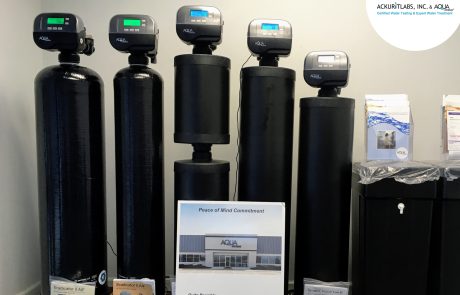
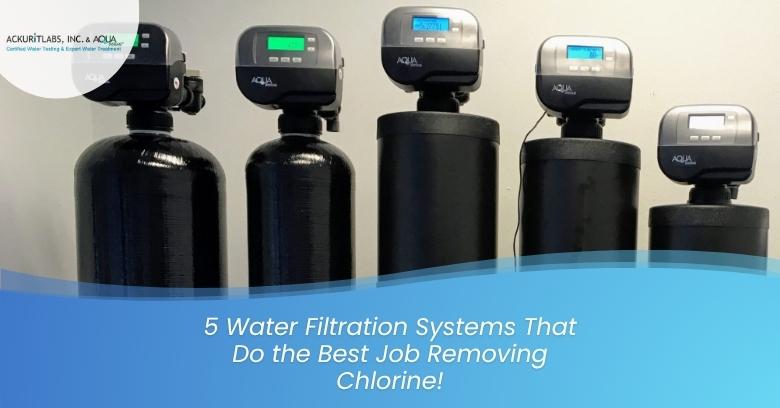
Surfaces inside the carbon grab onto particular chemicals, leaving a cleaner taste behind; each type of carbon targets specific compounds, so the media is picked to suit the finding. Every carbon filter eventually fills up, so replacement or backwashing is part of owning one; a taste that creeps back is the usual reminder.
Cartridges and Sediment Filters – Catching Grit Before It Travels On
Sediment cartridges screen out sand, rust flakes and silt before they reach appliances, and the sequence is part of the design. Putting stages in the wrong order shortens the life of the costlier cartridge; a wrench for the housing is a worthwhile purchase.
Reverse Osmosis: Where It Sits and What It Wastes
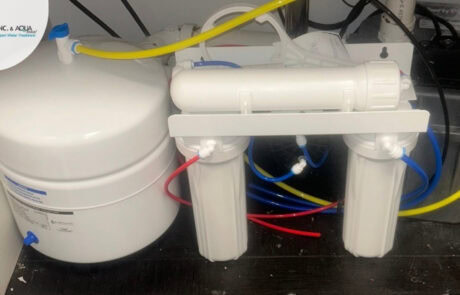
The membrane is the center of the system, flanked by pre-filters and a final carbon stage; compact units fit under a sink and serve a single tap. A lab test before and after is the reliable way to know what a particular system achieves, and a membrane may last for a long stretch if it is protected.
Oxidation Systems – Time, Dose and Cleanup
Where a well carries iron, sulfur or microbes, injecting chlorine is a long-established approach; the chlorine oxidizes iron and sulfide into forms that can be filtered out. The final stage polishes taste and removes what remains of the disinfectant; a wrong dose helps nobody.
Scope of a System: Choosing the Footprint
Equipment where the supply enters the building protects all the plumbing downstream; a garage or utility closet often becomes the home. Where only one fixture matters, a compact installation avoids treating the whole house; ask for a simple diagram of the plan.
Peak Demand Math: What Undersizing Looks Like
Treating the household's peak demand, not its average, keeps pressure from dropping; high readings use up capacity faster. Oversizing has drawbacks too, since idle media can foul and extra tanks need space; a reasoned answer is a good sign.
Practical Requirements – Codes and Neighbors
Valves around the equipment allow it to be taken out of service in minutes, and electrical needs vary from a plug-in transformer to a dedicated circuit. Whoever does the installation should be able to say what the local rules ask for; a tidy install is easier to maintain.
Two Starting Points – Pressure Tanks and Pumps
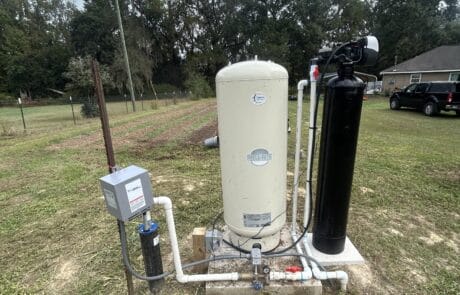
A well has no utility between it and the tap, so equipment often handles more of the load, and equipment has to work with the pump's pressure and flow. A carbon unit that suits a city line may be useless against the main problem of a well; each property gets its own plan.
When the Lights Go Out: What to Check Afterward
Electronic valves keep time with the power, so a clock that resets can trigger recharges at odd hours, and the manual shows how to reset the controller. Silt in a housing, a wet motor or a corroded joint can turn a repair into a replacement, and the provider can describe what a post-storm check involves.
Practical Details Homeowners Ask About – Placement Decisions That Last
Compressors and pumps are the noisiest parts of larger systems, and they normally sit in a mechanical space, and a level pad keeps tanks from shifting. Equipment is easiest to live with when the controls and the drain sit where a person can reach them; a sketch of the space helps the planning.
Inherited Hardware – Keep, Repair or Replace
Older units may still work but have worn parts, such as seals, valves, resin or membranes, which helps weigh a repair against a new unit. New components usually have to fit the pipe sizes, the pressure and the drain already in place, and the installer should explain what is being kept.
When a Property Has Many Users: Boilers, Ice Machines and Kitchens
Commercial installations are usually specified on paper, with flow rates and targets spelled out; a duplex arrangement keeps soft supply flowing through each recharge. Written procedures and a labeled schematic make handovers between staff smoother, and it supports any later troubleshooting.
Keeping Equipment in Shape: Signs a Unit Needs Attention
Filters eventually clog, and carbon eventually saturates, so each has a replacement interval; keep the paperwork in one place. If stains come back, or the taste creeps back, something in the chain has used up its capacity; the provider can inspect and adjust.
Proof After Installation – Filing the Evidence
The most reliable verification is a fresh panel run on the same items as before; a retest a few months in shows whether the system is holding. A result that falls short is information, and it points to what to add or change; store copies where they can be found.
Limits to Keep in Mind: Questions for Any Seller
No single device removes every substance, and a pitch that one box covers everything deserves doubt; claims about results should point to a published test method. A provider unwilling to discuss limits is one to think twice about; weigh each source on how specific it is.
What to Ask at the Door: Details That Separate Good Plans
- Which readings on the report are meant to change, and which are not expected to; a specific answer is what you want.
- Where will the drain, the power and the bypass go, and what will be cut or moved; clear scope prevents surprises.
- How will you know the equipment is working a few months from now, and what does it say about future servicing.
Start the Conversation: Questions Are the Starting Point
Dial Ackuritlabs And Aqua Systems at 850-616-2634 and ask what to collect before any equipment is chosen.
The Short Version: Next Steps
The reliable path runs from a lab figure, through a sensible choice of equipment, to a retest that shows the change; whatever has brought you to read about Water Treatment near South Woodville Area, a short call sorts out where to begin. Questions are welcome at 850-616-2634, where Ackuritlabs And Aqua Systems can lay out the options, and say what you would like to change.