Shopping for Water Softeners Across Greenville Florida?
A treatment system is a tool for one job, so the job has to be named before the tool is picked; the sections below describe what each option does and where it stops.
Dial Ackuritlabs And Aqua Systems at 850-616-2634 to ask which questions come before any equipment.
Before Any Equipment: a Lab Number Beats a Guess
Taste and appearance narrow the field, though only a lab report settles it, which keeps the proposal tied to evidence. Even a brief description of the symptoms helps decide which measurements to order, and the choice of equipment follows once the numbers arrive.
Softening: a Bed of Beads and a Brine Tank
The core of a standard softener is a resin bed that exchanges hardness minerals for a softer ion, and a salt or potassium brine recharges the bed on a schedule. Laundry and dishes tend to come out cleaner where the minerals have been removed; other equipment handles those jobs.
Alternatives to the Brine Tank – Setting Expectations
The minerals stay in the supply, but the device nudges them toward forming less scale on surfaces, which suits some households and some local rules. Anyone expecting the soft feel of a true softener should know the two are different things; being clear on this point prevents disputes later.
Carbon Filtration – Contact Time and Capacity
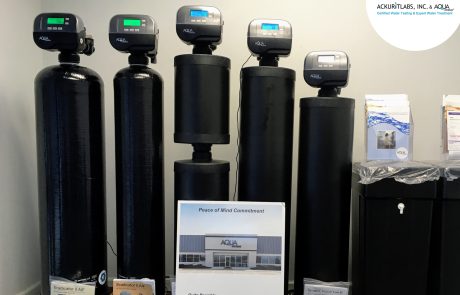
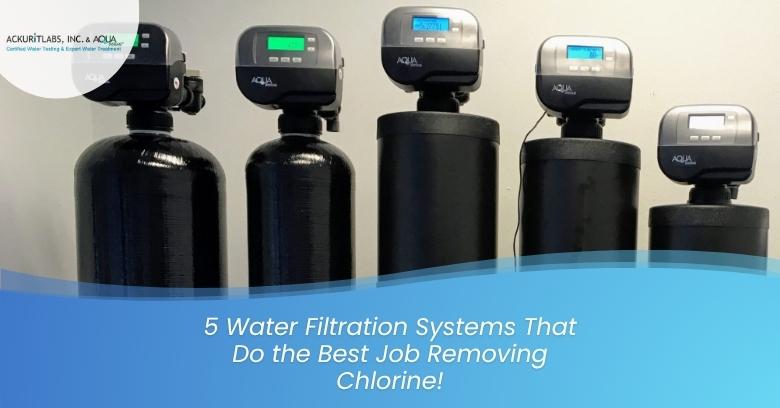
Carbon holds onto certain compounds as supply passes through, which cuts chlorine taste and some odors; a catalytic grade is often used where chloramine is the disinfectant. Contact time and flow rate affect results, and a unit pushed too hard performs worse, and the maker's change interval is a guide, not a promise.
Housings and Replaceable Elements – Why Order Matters
A housing on the line holds a cartridge that screens out particles above a chosen size, and a smaller rating catches finer particles but clogs sooner. Pressure falls as an element loads up, which is the practical signal to swap it; replacements are sold by size, so note the model.
Reverse Osmosis – Dissolved Solids Reduced
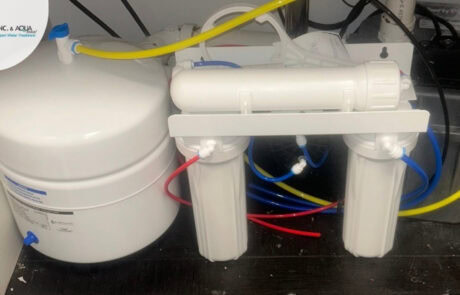
A membrane passes the liquid and rejects a large share of dissolved salts and other solids; compact units fit under a sink and serve a single tap. Reverse osmosis units reduce many dissolved substances, though performance varies by model and by supply, and the reject volume is worth asking about.
Treating Iron, Sulfur and Microbes: Why Dose Control Matters
A metering pump feeds sodium hypochlorite into the flow, and a tank gives it time to react; the tank is sized to the flow of the well. After the contact tank, a carbon stage strips leftover chlorine so the tap smells clean, and chemical equipment is installed and set up with care.
Whole-House or Single-Tap: Planning the Pipe Run
Point-of-entry installations deal with problems that affect the entire plumbing system; the flow at the entry is worth measuring before ordering. Many households combine both: a main-line device for scale and a sink model for taste; the provider can sketch where each unit would go.
Peak Demand Math: What Undersizing Looks Like
The size of the housing and the volume of media set how much a system can handle; a unit that is too small shortens the time between regenerations. A well-matched system suits the building rather than the biggest model on offer; ask to see the numbers behind the recommendation.
What the Job Requires: Bypass Valves, Drains and Outlets
A bypass lets the household isolate a unit without shutting off the whole supply; the installer plans the route up front. Permits or inspections can be required in some jurisdictions, depending on the work; leave room to open the tank lid and swap a cartridge.
What Changes by Source – Raw Groundwater Versus Treated
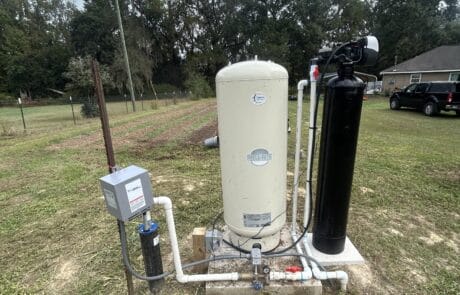
Supply from a public system arrives already disinfected, which changes what is left to fix; wells also bring a pump and a pressure tank into the plan. A carbon unit that suits a city line may be useless against the main problem of a well; photos of the existing equipment help.
Hurricane-Season Readiness: Controllers, Pumps and Flooding
A unit left without power may skip a scheduled recharge, which leaves the media tired when flow resumes, since a stuck valve is easier to catch early. Silt in a housing, a wet motor or a corroded joint can turn a repair into a replacement; keep manuals and settings notes together.
Living With the Equipment – Placement Decisions That Last
Most residential units are quiet, and the sounds they make are short bursts when a valve cycles or a recharge runs, and a level pad keeps tanks from shifting. A tidy installation labels valves, supports the plumbing and keeps the area dry, and the provider should ask about access.
Working With Existing Equipment: Compatibility With Present Plumbing
Inherited hardware is worth examining before anything new is added, and the provider can often read the date code. Mixing parts from different makers is possible, though compatibility needs checking; ask for a plain list of what changes and what stays.
Treatment at Business Scale – Keeping Service Running
Restaurants, offices and apartment buildings draw far more than a house, and the gear is scaled to match, and a drawing of the proposed layout is a reasonable request. Commercial owners usually want service records, so the system should make them easy to keep, and it supports any later troubleshooting.
Routine Care: Signs a Unit Needs Attention
Every type of equipment has a consumable: salt for softeners, cartridges for filters, membranes for osmosis units; keep the paperwork in one place. Any change from how the system used to behave is the cue to check it; do not wait for a complete failure.
The Second Sample: Before and After Side by Side
The most reliable verification is a fresh panel run on the same items as before; a retest a few months in shows whether the system is holding. Expect a number lower than before, not necessarily a number of zero; a short note on the equipment installed completes the record.
Where Hardware Stops: No Single Device Fixes Everything
Marketing language tends to be broader than what a product actually does; compare the data sheet with your lab report. A fair provider will tell you when equipment is not the fix, or not the whole fix; weigh each source on how specific it is.
Before You Sign – Everything in Writing
- Is the recommended size tied to the lab figures and the household's flow, and the proposal should say so on paper.
- What parts and consumables are needed, and how often do they need replacing; ask for a copy of the manuals too.
- What signs should prompt a call before the next scheduled check, and what does it say about future servicing.
Talking It Through – Share Your Lab Report
Contact Ackuritlabs And Aqua Systems at 850-616-2634 and ask what to collect before any equipment is chosen.
Pulling the Threads: Matching Hardware to the Finding
Every lasting installation rests on a clear diagnosis, a suitable size and regular care, and everything above about Water Softeners in Greenville Florida is general background, not a verdict. Call 850-616-2634 to reach Ackuritlabs And Aqua Systems and talk over your situation; the details you share shape the advice.
Verified

Verified
Verified
Verified
Verified