Looking for Chlorination System Installation for a Property in Greenville Florida?
Matching the device to the finding is what separates a useful installation from a blind guess; read on for how the pieces fit together.
Call Ackuritlabs And Aqua Systems at 850-616-2634 to talk through what the tap has been doing.
The Step Ahead of the Purchase: Why Skipping It Backfires
Orange stains, chalky scale and a swampy smell can each have a separate cause, and each calls for different gear; having a report on hand speeds everything up. Even a brief description of the symptoms helps decide which measurements to order; the equipment decision waits until the numbers are in.
Ion Exchange: How the Resin Works
The core of a standard softener is a resin bed that exchanges hardness minerals for a softer ion; a control valve decides when to regenerate by clock or by usage. Where a softener is sized correctly, white crust becomes much less of a chore; the lab result still decides what else belongs in the plan.
Conditioning Instead of Softening – Setting Expectations
These devices work on how scale sticks, and they do not strip the minerals out, which suits some households and some local rules. Expect scale to be reduced rather than eliminated, and expect no change in how soap lathers, and it helps compare options fairly.
Carbon Filtration: Why Cartridges Run Out
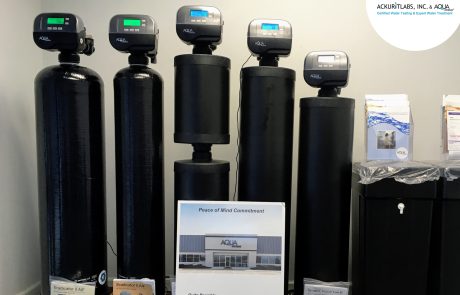
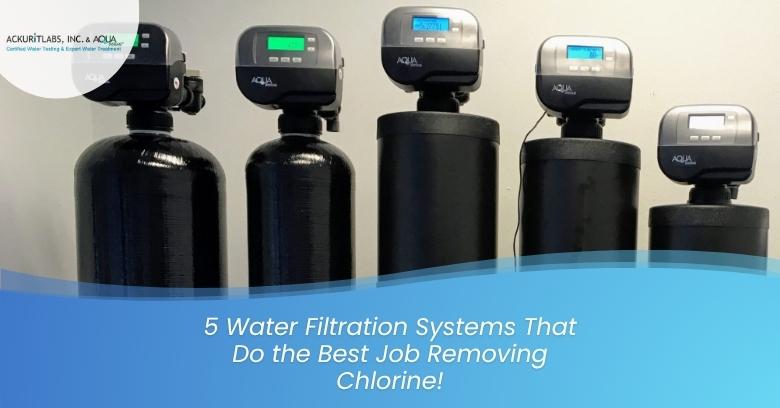
Carbon holds onto certain compounds as supply passes through, which cuts chlorine taste and some odors; a catalytic grade is often used where chloramine is the disinfectant. Capacity depends on how much is in the supply and how much a household uses; a pre-filter often extends the life of the carbon.
Housings and Replaceable Elements: Keeping Spare Elements
Grit and flakes get stopped by a pleated or wound element sitting in a clear or opaque canister; the rating, given in microns, states how small a particle the element is built to catch. A carbon cartridge installed in the same housing style handles taste while the sediment unit handles grit; replacements are sold by size, so note the model.
High-Pressure Polishing: Where It Sits and What It Wastes
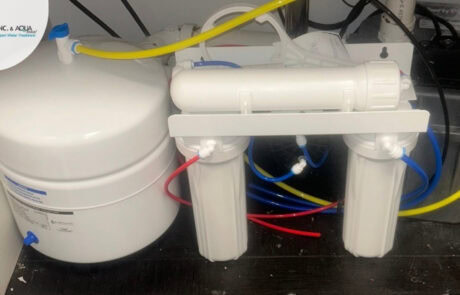
Dissolved solids stay on one side of the membrane and get flushed away; compact units fit under a sink and serve a single tap. The reduction achieved depends on membrane condition, pressure and what is in the feed, and a membrane may last for a long stretch if it is protected.
Oxidation Systems – the Carbon Stage Afterward
A metering pump feeds sodium hypochlorite into the flow, and a tank gives it time to react, and the dose is set from lab readings. A backwashing filter often follows, clearing the particles the reaction produces; a wrong dose helps nobody.
Where the Equipment Sits – One Tap, One Sink, One Appliance
Everything inside the building sees treated flow when equipment sits at the entry; larger tanks and brine cabinets take real room. Single-tap filters and membranes work where only drinking supply needs the extra step; a layout on paper avoids surprises.
Sizing: Gallons per Minute and Grains
A unit has two numbers that matter: a peak flow rating and a capacity between cleanings; the number of bathrooms and people is part of the calculation. Equipment that is too small works harder and wears out sooner; a reasoned answer is a good sign.
Installation Details – Planning for Service Access
Valves around the equipment allow it to be taken out of service in minutes, and electrical needs vary from a plug-in transformer to a dedicated circuit. Whoever does the installation should be able to say what the local rules ask for, and access for servicing should be planned from the start.
Two Starting Points – Pressure Tanks and Pumps
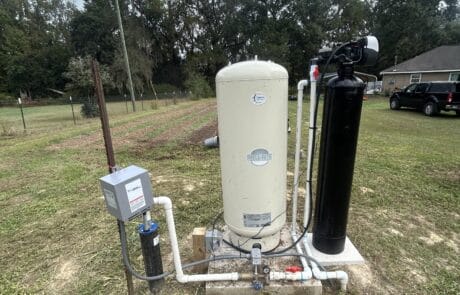
City lines usually deliver a steady, disinfected supply, so the complaints tend to be taste and scale, and equipment has to work with the pump's pressure and flow. The provider needs to know which source feeds the house before suggesting anything; photos of the existing equipment help.
After an Outage: Controllers, Pumps and Flooding
Pumps, injectors and controllers all depend on electricity, and an outage pauses every one of them, since a stuck valve is easier to catch early. If floodwater covered the wellhead, the supply itself needs a fresh lab sample; ask the installer what to do before a storm.
Where Everything Goes – Placement Decisions That Last
Pumps and metering equipment hum when they work, so placement matters for bedrooms and offices; clear floor space around a tank makes salt loading simple. Equipment is easiest to live with when the controls and the drain sit where a person can reach them; measure doors and hallways as well.
Inherited Hardware – Reading Old Labels
A house may come with equipment that nobody remembers installing, so a look at the labels is the first step, which helps weigh a repair against a new unit. The simplest upgrade is often a fresh set of cartridges or media, not a new system, and the installer should explain what is being kept.
Treatment at Business Scale: Boilers, Ice Machines and Kitchens
Business equipment is sized for higher flows and often arranged in pairs so one tank can work while the other recharges, and a drawing of the proposed layout is a reasonable request. Training the people on site about shutoffs and alarms prevents small problems from growing, and it supports any later troubleshooting.
Maintenance Rhythm: Signs a Unit Needs Attention
Every type of equipment has a consumable: salt for softeners, cartridges for filters, membranes for osmosis units; a simple calendar reminder prevents most lapses. Warning signs include a return of the old taste, scale reappearing and a drop in pressure; an annual look at the controls is sensible.
Verifying What Changed – Numbers, Not Impressions
Measurements taken after setup show the change in black and white, which matters for cartridges and media that wear. Treatment can reduce certain items without eliminating them, and the report shows by how much; store copies where they can be found.
What Equipment Cannot Do: Misuse and Misfit
No single device removes every substance, and a pitch that one box covers everything deserves doubt; read the data sheet, not just the front of the box. If a proposal does not mention the lab results, ask how it was reached, and the same standard applies to anything written on this page.
Questions for a Provider – Everything in Writing
- What does the proposal assume about hardness, iron and chlorine, and where did those figures come from; a specific answer is what you want.
- Where will the drain, the power and the bypass go, and what will be cut or moved; ask for a copy of the manuals too.
- Where should the paperwork for the system be stored, and what does it say about future servicing.
A Call Before a Purchase: Bring What You Know
Speak with Ackuritlabs And Aqua Systems at 850-616-2634 to go over the lab report and the symptoms at your tap.
Bringing It Together – the Sequence That Works
The reliable path runs from a lab figure, through a sensible choice of equipment, to a retest that shows the change; whatever has brought you to read about Chlorination System Installation near Greenville Florida, a short call sorts out where to begin. Questions are welcome at 850-616-2634, where Ackuritlabs And Aqua Systems can lay out the options; the call goes quickly.
Verified

Verified
Verified
Verified
Verified