Need Water Softening Service Around Fort Braden Florida?
Good installations start from a lab result and work toward a device that suits it; read on for how the pieces fit together.
Contact Ackuritlabs And Aqua Systems at 850-616-2634 to ask how an installation is planned.
Where Treatment Begins – Reading the Problem Correctly
Three households with the same complaint can need three different systems, because the underlying chemistry differs; most reputable providers ask for results before quoting a system. If the history of the supply is unknown, a baseline panel is the sensible opener, and the choice of equipment follows once the numbers arrive.
Taking Out Hardness: How the Resin Works
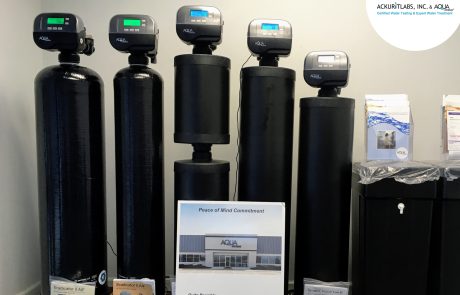
Inside the tank, tiny resin beads attract the minerals that cause scale and give up sodium or potassium in return; a control valve decides when to regenerate by clock or by usage. Less mineral reaching the pipes also means less deposit inside them; it is not meant to filter out bacteria or chemicals.
Alternatives to the Brine Tank: an Honest Comparison
Conditioners leave the hardness figure unchanged and change the shape of the crystals that form, though results vary with the water and the model. Because the minerals remain, soap and shampoo behave as they would on hard supply, and it helps compare options fairly.
The Charcoal Option – Granular Beds and Blocks
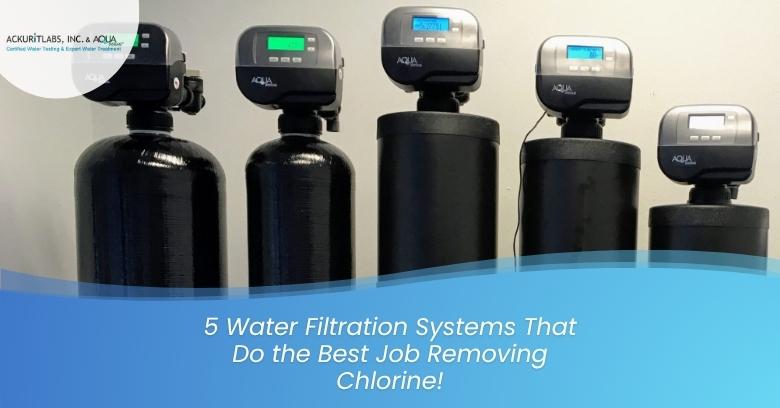
A carbon bed or block is the common answer when a city supply tastes or smells of disinfectant; a catalytic grade is often used where chloramine is the disinfectant. Capacity depends on how much is in the supply and how much a household uses; a taste that creeps back is the usual reminder.
Cartridges and Sediment Filters – Catching Grit Before It Travels On
The simplest way to protect a pump, a softener or a fixture is usually a sediment screen ahead of it, which lets each cartridge last longer. Pressure falls as an element loads up, which is the practical signal to swap it; keep a spare cartridge on a shelf.
Drinking Supply Upgrades: Fair Expectations
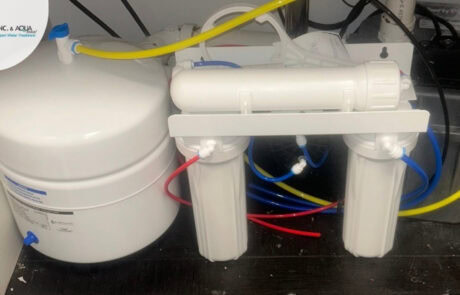
A membrane passes the liquid and rejects a large share of dissolved salts and other solids, and a small storage tank holds finished supply for the dedicated faucet. Pre-filters protect the membrane, and replacing them on time protects the system; the provider can explain what to expect for your supply.
Chlorination: What the Installer Sets Up
The setup pairs a feed pump with a retention tank so the chlorine has time to work, and the dose is set from lab readings. The final stage polishes taste and removes what remains of the disinfectant, and the setup should be checked after the first weeks.
Where the Equipment Sits – Matching Scope to Need
Everything inside the building sees treated flow when equipment sits at the entry; a garage or utility closet often becomes the home. Smaller units at one sink target what people drink, leaving the rest of the plumbing alone; a layout on paper avoids surprises.
Peak Demand Math – People, Fixtures and Usage
A unit has two numbers that matter: a peak flow rating and a capacity between cleanings; a unit that is too small shortens the time between regenerations. A well-matched system suits the building rather than the biggest model on offer, and an installer should explain why a particular size was chosen.
Practical Requirements – Codes and Neighbors
Good installations include a way to route flow around the unit when needed; the walk-through before work matters. Codes affect drain connections, backflow protection and the placement of equipment; measure before ordering.
Supply Source Matters – Raw Groundwater Versus Treated
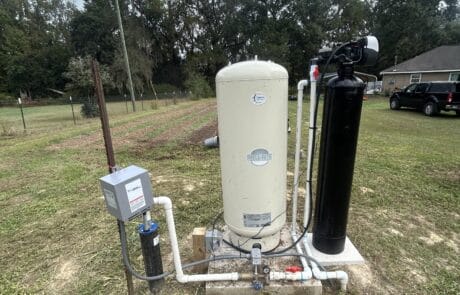
Raw well supply brings the chemistry of the ground straight to the plumbing, whereas chlorine and chloramine lead the list on a city line. The provider needs to know which source feeds the house before suggesting anything; each property gets its own plan.
Storms and Power Interruptions: What to Check Afterward
Many controllers keep their program in memory for a short while, and then need to be set again, and the manual shows how to reset the controller. A flooded system should be shut off and checked before use, since damage is not always visible; write down the shutoff locations.
Where Everything Goes: Keeping the Area Tidy
Compressors and pumps are the noisiest parts of larger systems, and they normally sit in a mechanical space, and a level pad keeps tanks from shifting. Sunlight can damage clear housings and warm the supply, so shade is sensible outdoors, and the installer can suggest a layout.
Working With Existing Equipment – Keep, Repair or Replace
Many properties already have a tank, a filter housing or an under-sink unit, and the question is whether it still suits the supply; a fresh lab panel shows whether the present system is still doing its job. The simplest upgrade is often a fresh set of cartridges or media, not a new system; photographs of the current setup speed up the first conversation.
Commercial Systems: Duplex Tanks and Bigger Flows
Business equipment is sized for higher flows and often arranged in pairs so one tank can work while the other recharges, and a controller can log regeneration cycles. Commercial owners usually want service records, so the system should make them easy to keep, and the provider can supply those if asked.
Maintenance Rhythm: Salt, Cartridges and Media
Soft supply depends on a brine tank that is kept stocked; a simple calendar reminder prevents most lapses. Noisy valves, salt bridges in the tank and slow flow are signs worth a look, and a retest confirms the numbers.
Verifying What Changed: Tracking Performance
A sample collected after the system is running shows whether the problem was solved; schedule it when the system goes in. A result that falls short is information, and it points to what to add or change; a short note on the equipment installed completes the record.
Where Hardware Stops – Read the Fine Print
Equipment performs within limits set by its design, the supply and the upkeep; claims about results should point to a published test method. A fair provider will tell you when equipment is not the fix, or not the whole fix, and a plain no is sometimes the most useful answer.
Before You Sign: Details That Separate Good Plans
- Does the plan name the substances it targets, rather than speaking in general terms; vague answers deserve a follow-up.
- Where will the drain, the power and the bypass go, and what will be cut or moved, and how can questions be raised afterward.
- How will you know the equipment is working a few months from now; follow-up is as important as the install.
Talking It Through: Questions Are the Starting Point
Dial Ackuritlabs And Aqua Systems at 850-616-2634 to find out how a system would be planned and sized.
Pulling the Threads – Upkeep Keeps It Working
A dependable setup follows a sequence: measure the supply, pick equipment to suit, install it carefully and test again, and everything above about Water Softening Service in Fort Braden Florida is general background, not a verdict. The number to call is 850-616-2634, and the conversation is the first step, and say what you would like to change.
Verified

Verified
Verified
Verified
Verified