Need Residential Water Softener Installation for a Property in Saint Marks Florida?
Equipment gets chosen to fix a measured problem, and the fix is only as good as the diagnosis behind it; read on for how the pieces fit together.
Phone Ackuritlabs And Aqua Systems at 850-616-2634 to talk through what the tap has been doing.
Before Any Equipment – Reading the Problem Correctly
Taste and appearance narrow the field, though only a lab report settles it; having a report on hand speeds everything up. Even a brief description of the symptoms helps decide which measurements to order; the equipment decision waits until the numbers are in.
Taking Out Hardness: How the Resin Works
Hardness minerals stick to a charged resin, which swaps them for sodium or potassium ions; the unit needs a drain line and a power outlet. Scale buildup on heaters, kettles and shower heads slows down where hardness has been removed, and it will not change the taste of the supply on its own.
Conditioning Instead of Softening: an Honest Comparison
Nothing is exchanged, so the lab number for hardness reads the same before and after, though results vary with the water and the model. A conditioner will not give the slick feel that a softened supply has in the shower, and a good provider explains that before the purchase.
Activated Carbon: Chlorine, Odors and Organic Traces
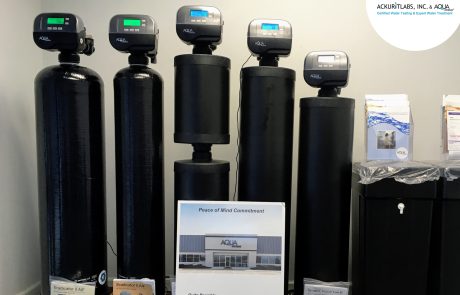
Porous carbon traps many organic molecules and chlorine on its surfaces as flow moves across them; each type of carbon targets specific compounds, so the media is picked to suit the finding. Capacity depends on how much is in the supply and how much a household uses; keeping a date on the housing is a good habit.
Cartridges and Sediment Filters – Catching Grit Before It Travels On
The simplest way to protect a pump, a softener or a fixture is usually a sediment screen ahead of it; the rating, given in microns, states how small a particle the element is built to catch. Putting stages in the wrong order shortens the life of the costlier cartridge; write the swap date on the canister.
Reverse Osmosis – Storage Tank, Faucet and Drain
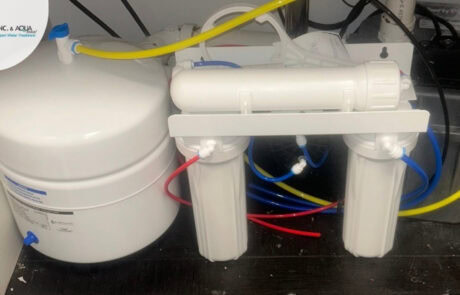
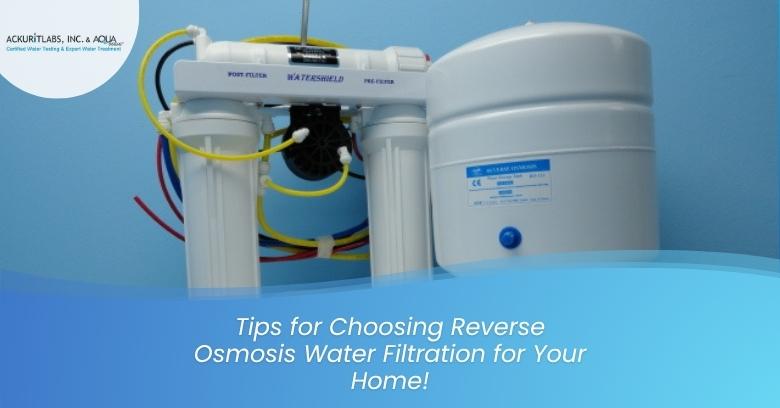
Pressure pushes the supply against a semipermeable membrane, and most dissolved material is held back, while larger units serve whole buildings. Pre-filters protect the membrane, and replacing them on time protects the system, and the reject volume is worth asking about.
Chlorination – Time, Dose and Cleanup
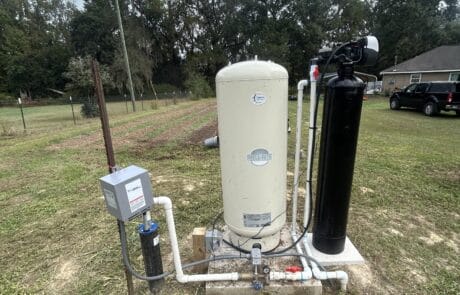
A pump, a tank and a backwashing filter form the heart of a chlorination setup; the tank is sized to the flow of the well. After the contact tank, a carbon stage strips leftover chlorine so the tap smells clean, and the setup should be checked after the first weeks.
Point of Entry Versus Point of Use: What Each Layout Covers
Everything inside the building sees treated flow when equipment sits at the entry; scale, iron and chlorine are the usual reasons to go this route. Where only one fixture matters, a compact installation avoids treating the whole house; ask for a simple diagram of the plan.
Peak Demand Math – People, Fixtures and Usage
The size of the housing and the volume of media set how much a system can handle; the number of bathrooms and people is part of the calculation. An undersized system forces flow past the media too fast, which weakens the result; ask to see the numbers behind the recommendation.
Space and Connections: the Checklist Behind a Clean Install
Valves around the equipment allow it to be taken out of service in minutes, and electrical needs vary from a plug-in transformer to a dedicated circuit. Checking with the local office is sensible before anything is cut or glued; measure before ordering.
Two Starting Points: Chlorine Added or Not
Supply from a public system arrives already disinfected, which changes what is left to fix, whereas chlorine and chloramine lead the list on a city line. The provider needs to know which source feeds the house before suggesting anything, and a lab report removes most of the guesswork.
Hurricane-Season Readiness: Planning Before the Season
Many controllers keep their program in memory for a short while, and then need to be set again, and the manual shows how to reset the controller. A flooded system should be shut off and checked before use, since damage is not always visible, and the provider can describe what a post-storm check involves.
Noise, Space and Appearance – Reaching the Controls
Noise from a unit tends to come from the drain line and the valve rather than the tanks; clear floor space around a tank makes salt loading simple. Some owners build a small enclosure, though it must not block air or access; measure doors and hallways as well.
An Older System in the Garage: Planning a Sensible Sequence
Older units may still work but have worn parts, such as seals, valves, resin or membranes, and the readings guide whether to repair, keep or replace. Adding a stage to an existing setup requires attention to order, flow rate and pressure drop, and the installer should explain what is being kept.
Treatment at Business Scale: Written Specifications
Boilers, cooling equipment and ice makers can be sensitive to scale, which shapes the design; the survey of the site comes first. A property manager benefits from a maintenance plan that lists tasks, intervals and who does them, because early warning beats a repair.
Upkeep – Setting Reminders
Soft supply depends on a brine tank that is kept stocked; a label on each housing with the install date helps. Warning signs include a return of the old taste, scale reappearing and a drop in pressure, and a retest confirms the numbers.
Confirming the Result – Filing the Evidence
The most reliable verification is a fresh panel run on the same items as before, and the lab can run the identical methods again. If a reading is still high, the report guides the next adjustment; dates on everything keep the record clear.
Honest Limits: Questions for Any Seller
Equipment performs within limits set by its design, the supply and the upkeep; claims about results should point to a published test method. A provider unwilling to discuss limits is one to think twice about; weigh each source on how specific it is.
A Short Interview – Written Answers Preferred
- Is the recommended size tied to the lab figures and the household's flow; a specific answer is what you want.
- Which local rules apply to this installation, and who handles them; ask for a copy of the manuals too.
- What does a retest look like, and when is it scheduled; follow-up is as important as the install.
Start the Conversation: Questions Are the Starting Point
Phone Ackuritlabs And Aqua Systems at 850-616-2634 and ask what to collect before any equipment is chosen.
Pulling the Threads – Upkeep Keeps It Working
Every lasting installation rests on a clear diagnosis, a suitable size and regular care; whatever has brought you to read about Residential Water Softener Installation near Saint Marks Florida, a short call sorts out where to begin. Call 850-616-2634 to reach Ackuritlabs And Aqua Systems and talk over your situation; the call goes quickly.
Verified

Verified
Verified
Verified
Verified