Weighing Options for Water Filter Installation for a Property in Greenville Florida?
Matching the device to the finding is what separates a useful installation from a blind guess; the sections below put the options in plain language.
Phone Ackuritlabs And Aqua Systems at 850-616-2634 and say whether the supply is a well or a city line.
Before Any Equipment: Why Skipping It Backfires
Taste and appearance narrow the field, though only a lab report settles it; having a report on hand speeds everything up. Where no result exists yet, a provider can often suggest what to measure; the equipment decision waits until the numbers are in.
Resin Tanks: a Bed of Beads and a Brine Tank
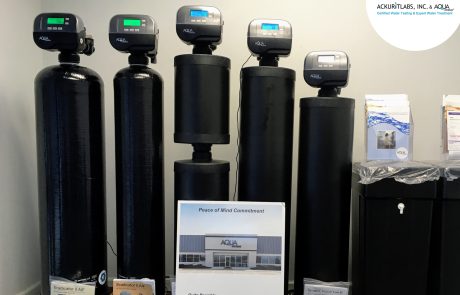
The core of a standard softener is a resin bed that exchanges hardness minerals for a softer ion; when the beads fill up, a brine rinse flushes the captured minerals to a drain. Where a softener is sized correctly, white crust becomes much less of a chore, though a softener does little for iron staining beyond a modest level.
Template-Assisted Units: What They Do and Do Not Do
These devices work on how scale sticks, and they do not strip the minerals out, which suits some households and some local rules. The results are described best as less crust, not no crust; asking for a plain description of the outcome avoids disappointment.
Taste and Odor Control: Matching Carbon to the Target
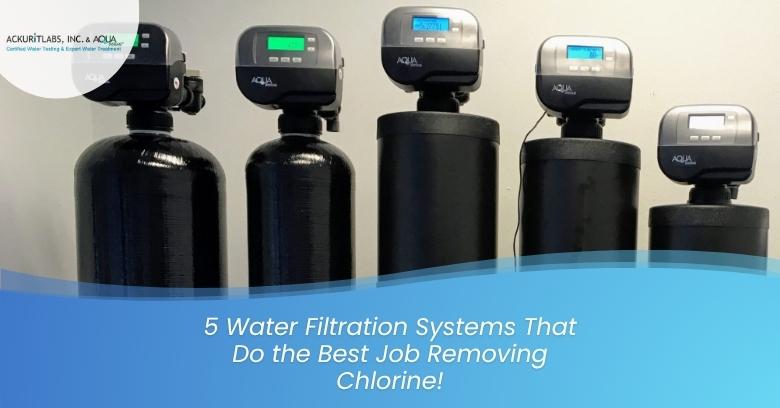
A carbon bed or block is the common answer when a city supply tastes or smells of disinfectant; it helps to know what the utility adds. Every carbon filter eventually fills up, so replacement or backwashing is part of owning one, and the maker's change interval is a guide, not a promise.
Housings and Replaceable Elements: Reading the Micron Number
The simplest way to protect a pump, a softener or a fixture is usually a sediment screen ahead of it; a series of coarse then fine elements spreads the load. Carbon cartridges, including carbon block types, often sit downstream of the sediment stage; write the swap date on the canister.
The Under-Sink Purifier – Storage Tank, Faucet and Drain
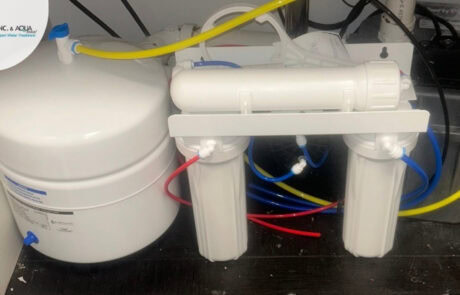
Pressure pushes the supply against a semipermeable membrane, and most dissolved material is held back, while larger units serve whole buildings. Pre-filters protect the membrane, and replacing them on time protects the system; the provider can explain what to expect for your supply.
Feeding Chlorine Into the Line: What the Installer Sets Up
A metering pump feeds sodium hypochlorite into the flow, and a tank gives it time to react; the chlorine oxidizes iron and sulfide into forms that can be filtered out. The final stage polishes taste and removes what remains of the disinfectant; dosing is not a do-it-yourself guess.
Point of Entry Versus Point of Use – Matching Scope to Need
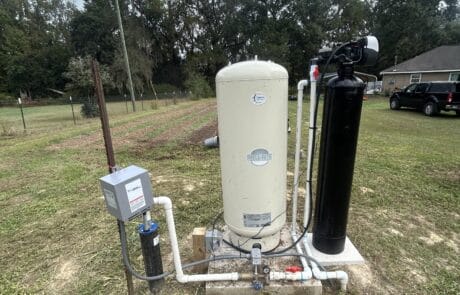
Everything inside the building sees treated flow when equipment sits at the entry; larger tanks and brine cabinets take real room. Many households combine both: a main-line device for scale and a sink model for taste, and it shows which walls and lines are involved.
Choosing a Capacity – Pressure Drop and Pace
A unit has two numbers that matter: a peak flow rating and a capacity between cleanings; high readings use up capacity faster. When a unit is too small, pressure falls at fixtures during busy mornings; the sizing is not a mystery.
Space and Connections: Tying Into Existing Lines
Most systems need a bypass valve so the plumbing can keep flowing during service; the walk-through before work matters. Whoever does the installation should be able to say what the local rules ask for; a tidy install is easier to maintain.
Two Starting Points: Chlorine Added or Not
Raw well supply brings the chemistry of the ground straight to the plumbing, and the right system differs accordingly. The provider needs to know which source feeds the house before suggesting anything; mention the source on the first call.
Storms and Power Interruptions – Protecting Gear From Surge and Silt
Electronic valves keep time with the power, so a clock that resets can trigger recharges at odd hours; a quick look at the salt level and the drain line completes the check. Anything touched by flooding, including a well pump and chemical feed gear, deserves a professional look; write down the shutoff locations.
Day-to-Day Presence: Garages, Closets and Mechanical Rooms
Most residential units are quiet, and the sounds they make are short bursts when a valve cycles or a recharge runs, which is worth thinking through before delivery. A tidy installation labels valves, supports the plumbing and keeps the area dry; measure doors and hallways as well.
Working With Existing Equipment – Reading Old Labels
Equipment bought long ago was chosen for a supply that may have changed since, and the provider can often read the date code. A sediment screen or a carbon stage can often be added without replacing everything; photographs of the current setup speed up the first conversation.
When a Property Has Many Users: Written Specifications
Restaurants, offices and apartment buildings draw far more than a house, and the gear is scaled to match; the existing mechanical room often decides what fits. Commercial owners usually want service records, so the system should make them easy to keep, and the provider can supply those if asked.
Upkeep: Salt, Cartridges and Media
Treatment is not a one-time purchase, since something wears out or runs low on every system; adjust to what the supply actually does. If stains come back, or the taste creeps back, something in the chain has used up its capacity, and a service call beats a failed system.
Proof After Installation – Numbers, Not Impressions
A sample collected after the system is running shows whether the problem was solved, which matters for cartridges and media that wear. Some substances respond well and others hardly at all, which the new figures reveal, and keeping both reports together tells the story.
Honest Limits: Misuse and Misfit
Each technology removes some things and leaves others, so a layered setup is common; ask how that is demonstrated. Honest answers sound specific, and vague answers sound like a sales line; clear explanations are the best sign.
Before You Sign: Points Worth Raising
- Which readings on the report are meant to change, and which are not expected to; vague answers deserve a follow-up.
- Which local rules apply to this installation, and who handles them; ask for a copy of the manuals too.
- Where should the paperwork for the system be stored; write the answers down.
Talking It Through: Questions Are the Starting Point
Phone Ackuritlabs And Aqua Systems at 850-616-2634 to find out how a system would be planned and sized.
In Plain Terms: Matching Hardware to the Finding
The reliable path runs from a lab figure, through a sensible choice of equipment, to a retest that shows the change, and for Water Filter Installation in Greenville Florida the first step is a conversation about the supply and the symptoms. Questions are welcome at 850-616-2634, where Ackuritlabs And Aqua Systems can lay out the options; mention whether the supply is a well or a utility line.
Verified

Verified
Verified
Verified
Verified