Looking for Residential Water Filtration Across Saint Marks Florida?
Good installations start from a lab result and work toward a device that suits it, and the sections below explain how the common options differ.
Dial Ackuritlabs And Aqua Systems at 850-616-2634 to ask how an installation is planned.
The Step Ahead of the Purchase – Results Decide the Hardware
Equipment bought off a shelf may handle a different problem than the one at the tap, and the figure is what a provider uses to size and pick the unit. A first conversation commonly ends with advice on what to sample before the next step; skipping ahead is where most mismatches begin.
The Salt-Based Softener: Regeneration in Plain Terms
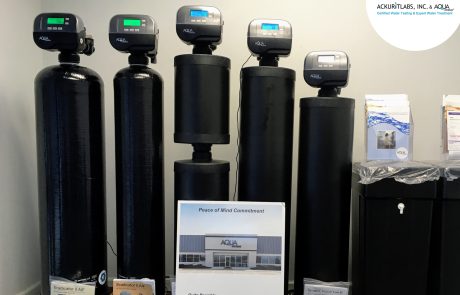
Inside the tank, tiny resin beads attract the minerals that cause scale and give up sodium or potassium in return; a control valve decides when to regenerate by clock or by usage. Laundry and dishes tend to come out cleaner where the minerals have been removed, and it will not change the taste of the supply on its own.
Template-Assisted Units: an Honest Comparison
The minerals stay in the supply, but the device nudges them toward forming less scale on surfaces, though results vary with the water and the model. Expect scale to be reduced rather than eliminated, and expect no change in how soap lathers; ask what the device will not do.
Carbon Filtration – Granular Beds and Blocks
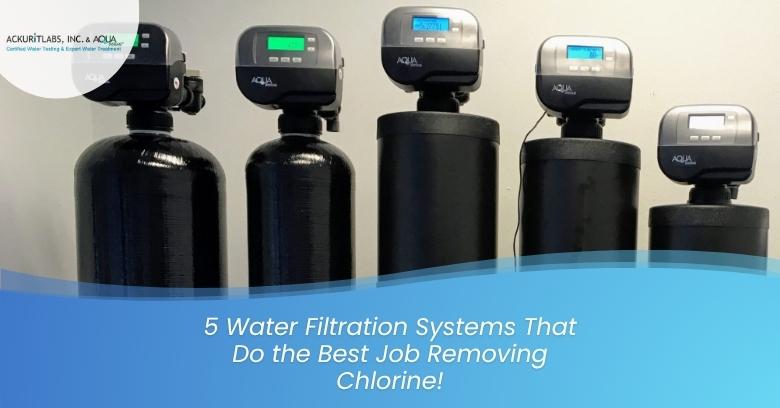
Surfaces inside the carbon grab onto particular chemicals, leaving a cleaner taste behind; a catalytic grade is often used where chloramine is the disinfectant. Carbon has a limited capacity, and once it is spent, it stops doing its job; a pre-filter often extends the life of the carbon.
Canisters on the Line – Catching Grit Before It Travels On
Grit and flakes get stopped by a pleated or wound element sitting in a clear or opaque canister; the rating, given in microns, states how small a particle the element is built to catch. A carbon cartridge installed in the same housing style handles taste while the sediment unit handles grit; replacements are sold by size, so note the model.
The Under-Sink Purifier – Dissolved Solids Reduced
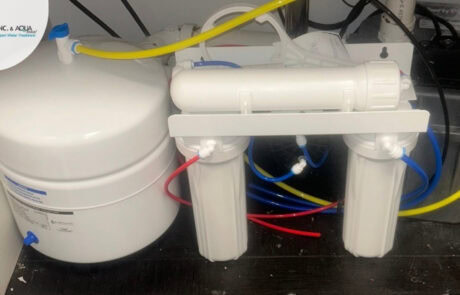
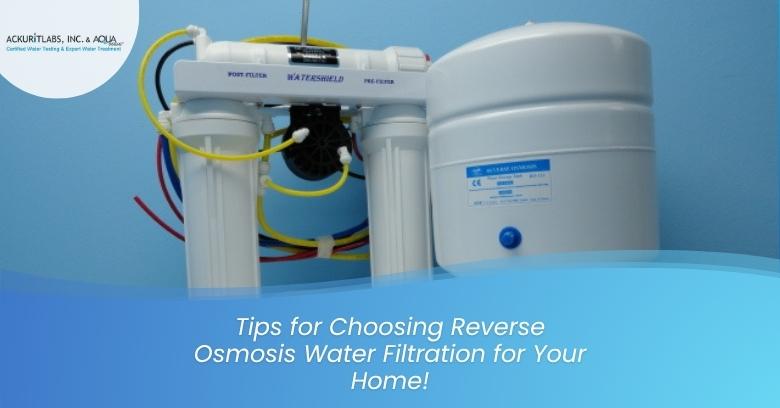
The membrane is the center of the system, flanked by pre-filters and a final carbon stage, and a small storage tank holds finished supply for the dedicated faucet. A lab test before and after is the reliable way to know what a particular system achieves; a leak sensor is a sensible add-on.
Feeding Chlorine Into the Line – Time, Dose and Cleanup
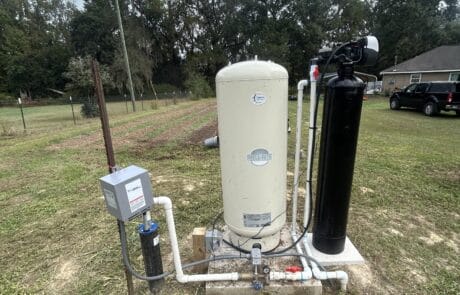
Where a well carries iron, sulfur or microbes, injecting chlorine is a long-established approach; the chlorine oxidizes iron and sulfide into forms that can be filtered out. Residual chlorine has to be removed afterward, and a carbon filter normally takes that job, and the setup should be checked after the first weeks.
Whole-House or Single-Tap – Matching Scope to Need
Equipment where the supply enters the building protects all the plumbing downstream; the flow at the entry is worth measuring before ordering. A point-of-use unit serves a single faucet, usually the kitchen, and suits drinking and cooking; a layout on paper avoids surprises.
Sizing – People, Fixtures and Usage
Equipment is rated by how fast supply can pass through it and by how much it can treat before servicing, along with the hardness or iron level on the lab report. An undersized system forces flow past the media too fast, which weakens the result; a reasoned answer is a good sign.
What the Job Requires – Planning for Service Access
A bypass lets the household isolate a unit without shutting off the whole supply; a drain line, an air gap and a nearby outlet come with a softener. Codes affect drain connections, backflow protection and the placement of equipment; leave room to open the tank lid and swap a cartridge.
Wells Versus City Lines: Chlorine Added or Not
City lines usually deliver a steady, disinfected supply, so the complaints tend to be taste and scale, whereas chlorine and chloramine lead the list on a city line. Because the two sources differ, the same product can be a great fit on one and wasted on the other; mention the source on the first call.
Weather and the Equipment Room – Resetting the Clock and the Valve
Electronic valves keep time with the power, so a clock that resets can trigger recharges at odd hours, and the manual shows how to reset the controller. If floodwater covered the wellhead, the supply itself needs a fresh lab sample, and the provider can describe what a post-storm check involves.
Day-to-Day Presence: Keeping the Area Tidy
Pumps and metering equipment hum when they work, so placement matters for bedrooms and offices; clear floor space around a tank makes salt loading simple. Leaving room to open lids, change cartridges and read gauges makes upkeep a quick job; a sketch of the space helps the planning.
Working With Existing Equipment – Keep, Repair or Replace
Many properties already have a tank, a filter housing or an under-sink unit, and the question is whether it still suits the supply, which helps weigh a repair against a new unit. New components usually have to fit the pipe sizes, the pressure and the drain already in place; photographs of the current setup speed up the first conversation.
Larger Buildings and Heavier Demand – Keeping Service Running
Business equipment is sized for higher flows and often arranged in pairs so one tank can work while the other recharges; a duplex arrangement keeps soft supply flowing through each recharge. Training the people on site about shutoffs and alarms prevents small problems from growing; ask what monitoring the equipment offers.
Keeping Equipment in Shape: Signs a Unit Needs Attention
Filters eventually clog, and carbon eventually saturates, so each has a replacement interval; a label on each housing with the install date helps. Any change from how the system used to behave is the cue to check it; do not wait for a complete failure.
Closing the Loop: When to Retest
The most reliable verification is a fresh panel run on the same items as before; collecting at the same tap, in the same way, keeps the comparison fair. Treatment can reduce certain items without eliminating them, and the report shows by how much; a short note on the equipment installed completes the record.
Honest Limits – Matching Promises to Physics
Equipment performs within limits set by its design, the supply and the upkeep; compare the data sheet with your lab report. A fair provider will tell you when equipment is not the fix, or not the whole fix; nothing here replaces advice for your property.
Questions for a Provider: Points Worth Raising
- Is the recommended size tied to the lab figures and the household's flow; ask for the reasoning in writing.
- Which local rules apply to this installation, and who handles them; clear scope prevents surprises.
- What does a retest look like, and when is it scheduled; follow-up is as important as the install.
Planning a System – Share Your Lab Report
Call Ackuritlabs And Aqua Systems at 850-616-2634 and ask what to collect before any equipment is chosen.
Bringing It Together: Matching Hardware to the Finding
The reliable path runs from a lab figure, through a sensible choice of equipment, to a retest that shows the change, because each property in Saint Marks Florida has its own story, whatever any page says about Residential Water Filtration. The number to call is 850-616-2634, and the conversation is the first step, and share what the lab report shows.
Verified

Verified
Verified
Verified
Verified