Thinking About Residential Water Treatment Company Across Saint Marks Florida?
A treatment system is a tool for one job, so the job has to be named before the tool is picked; read on for how the pieces fit together.
Phone Ackuritlabs And Aqua Systems at 850-616-2634 to talk through what the tap has been doing.
Diagnosis First: Why Skipping It Backfires
Orange stains, chalky scale and a swampy smell can each have a separate cause, and each calls for different gear; a sample sent to a laboratory turns a guess into a figure. Even a brief description of the symptoms helps decide which measurements to order; patience at this stage tends to save money later.
Resin Tanks: How the Resin Works
The beads in a softener hold hardness minerals until they are rinsed clean; when the beads fill up, a brine rinse flushes the captured minerals to a drain. Softened supply leaves less scale on fixtures, glass and heating elements, though a softener does little for iron staining beyond a modest level.
Template-Assisted Units – Setting Expectations
Conditioners leave the hardness figure unchanged and change the shape of the crystals that form, which suits some households and some local rules. Expect scale to be reduced rather than eliminated, and expect no change in how soap lathers; ask what the device will not do.
Carbon Filtration: Chlorine, Odors and Organic Traces
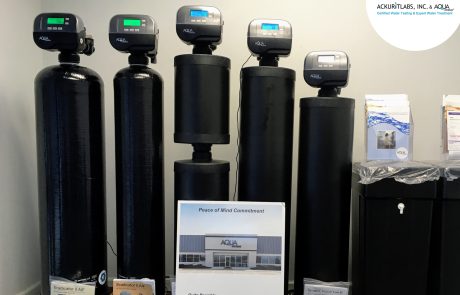
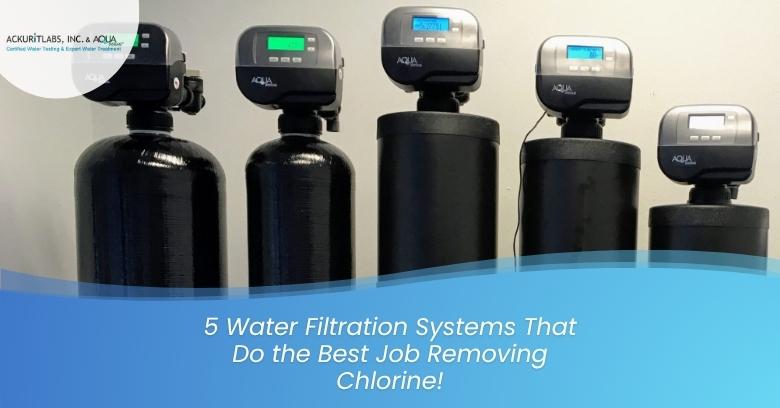
A carbon bed or block is the common answer when a city supply tastes or smells of disinfectant; a catalytic grade is often used where chloramine is the disinfectant. Carbon has a limited capacity, and once it is spent, it stops doing its job, and the maker's change interval is a guide, not a promise.
The Filter Under the Cap: Sizes, Ratings and Swaps
Grit and flakes get stopped by a pleated or wound element sitting in a clear or opaque canister; the rating, given in microns, states how small a particle the element is built to catch. A carbon cartridge installed in the same housing style handles taste while the sediment unit handles grit; a wrench for the housing is a worthwhile purchase.
Membrane Systems – Dissolved Solids Reduced
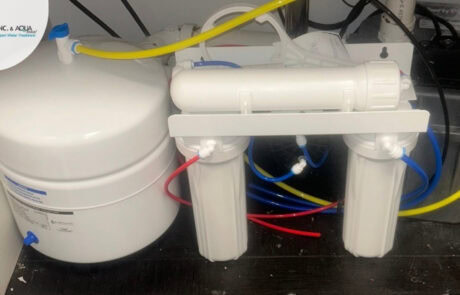
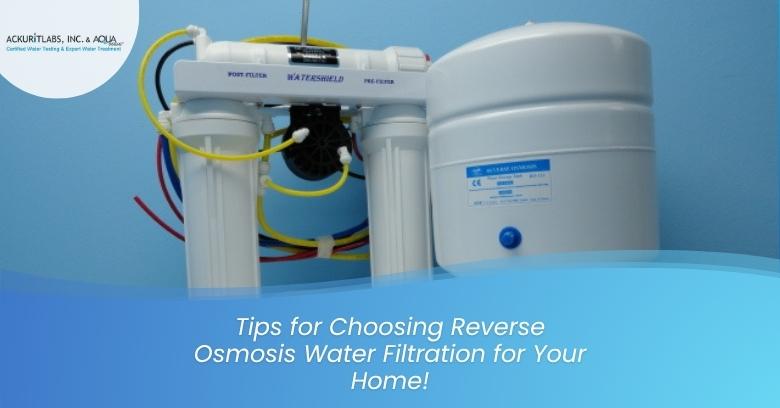
A membrane passes the liquid and rejects a large share of dissolved salts and other solids, and a small storage tank holds finished supply for the dedicated faucet. Some units add minerals back after the membrane to adjust taste, and a membrane may last for a long stretch if it is protected.
Oxidation Systems: a Metering Pump and a Retention Tank
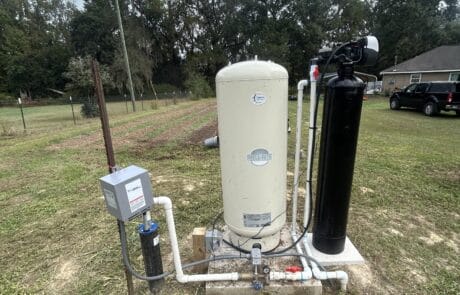
Where a well carries iron, sulfur or microbes, injecting chlorine is a long-established approach; the tank is sized to the flow of the well. Where the supply is meant for drinking, the leftover chlorine is filtered off, and chemical equipment is installed and set up with care.
Treating Everything or Just the Faucet: Choosing the Footprint
Point-of-entry installations deal with problems that affect the entire plumbing system, and the machinery needs floor space near the main shutoff. Many households combine both: a main-line device for scale and a sink model for taste; ask for a simple diagram of the plan.
Matching the Unit to the House: Gallons per Minute and Grains
Equipment is rated by how fast supply can pass through it and by how much it can treat before servicing; a unit that is too small shortens the time between regenerations. Equipment that is too small works harder and wears out sooner; ask to see the numbers behind the recommendation.
Plumbing, Power and Drain Needs: Bypass Valves, Drains and Outlets
A bypass lets the household isolate a unit without shutting off the whole supply; a drain line, an air gap and a nearby outlet come with a softener. Whoever does the installation should be able to say what the local rules ask for; a tidy install is easier to maintain.
What Changes by Source: Planning Around the Source
City lines usually deliver a steady, disinfected supply, so the complaints tend to be taste and scale, and equipment has to work with the pump's pressure and flow. A quick description of the plumbing path is enough to start the right conversation; neighbors on the same aquifer can still differ.
When the Lights Go Out: Controllers, Pumps and Flooding
Softeners and filters with electronic controllers can lose their settings in a long outage unless a backup battery holds them, and a surge protector on the outlet is sensible protection for the electronics. If floodwater covered the wellhead, the supply itself needs a fresh lab sample; photographs taken before the season make later comparisons easier.
Day-to-Day Presence: Garages, Closets and Mechanical Rooms
Noise from a unit tends to come from the drain line and the valve rather than the tanks, which is worth thinking through before delivery. Some owners build a small enclosure, though it must not block air or access, and the provider should ask about access.
Replacement and Add-Ons: Test Before Deciding
Older units may still work but have worn parts, such as seals, valves, resin or membranes; a fresh lab panel shows whether the present system is still doing its job. A sediment screen or a carbon stage can often be added without replacing everything, and the installer should explain what is being kept.
Treatment at Business Scale: Boilers, Ice Machines and Kitchens
Larger buildings may need several tanks and manifolds, not one household unit, and a drawing of the proposed layout is a reasonable request. A property manager benefits from a maintenance plan that lists tasks, intervals and who does them, because early warning beats a repair.
Routine Care – Small Tasks That Protect Big Parts
Soft supply depends on a brine tank that is kept stocked; keep the paperwork in one place. Bad smells from a filter housing mean it has gone too long; do not wait for a complete failure.
Confirming the Result: When to Retest
Comparing a new lab report against the original is how a household confirms the hardware did its job; schedule it when the system goes in. Some substances respond well and others hardly at all, which the new figures reveal; store copies where they can be found.
What Equipment Cannot Do: No Single Device Fixes Everything
No single device removes every substance, and a pitch that one box covers everything deserves doubt; read the data sheet, not just the front of the box. A provider unwilling to discuss limits is one to think twice about, and a plain no is sometimes the most useful answer.
A Short Interview: Scope, Parts and Follow-Up
- What does the proposal assume about hardness, iron and chlorine, and where did those figures come from, and the proposal should say so on paper.
- Where will the drain, the power and the bypass go, and what will be cut or moved; a walk-through at the end is reasonable to ask for.
- How will you know the equipment is working a few months from now; write the answers down.
A Call Before a Purchase – One Call Sorts Out Next Steps
Call Ackuritlabs And Aqua Systems at 850-616-2634 to ask what a sensible first step would be for your supply.
Pulling the Threads: Next Steps
A dependable setup follows a sequence: measure the supply, pick equipment to suit, install it carefully and test again; whatever has brought you to read about Residential Water Treatment Company near Saint Marks Florida, a short call sorts out where to begin. You can speak with Ackuritlabs And Aqua Systems at 850-616-2634 about your plumbing and your goals; the details you share shape the advice.
Verified

Verified
Verified
Verified
Verified