Shopping for Reverse Osmosis Service in Greensboro Florida?
Good installations start from a lab result and work toward a device that suits it, and the sections below explain how the common options differ.
Phone Ackuritlabs And Aqua Systems at 850-616-2634 and say whether the supply is a well or a city line.
Before Any Equipment: Naming the Target
Taste and appearance narrow the field, though only a lab report settles it, and the figure is what a provider uses to size and pick the unit. If the history of the supply is unknown, a baseline panel is the sensible opener; the equipment decision waits until the numbers are in.
Taking Out Hardness – What It Fixes and What It Leaves
The core of a standard softener is a resin bed that exchanges hardness minerals for a softer ion, and the stored brine is topped up with salt as needed. Where a softener is sized correctly, white crust becomes much less of a chore; the lab result still decides what else belongs in the plan.
Scale Control Without Salt – Setting Expectations
These devices work on how scale sticks, and they do not strip the minerals out, and maintenance is limited to replacing the media on a schedule. Expect scale to be reduced rather than eliminated, and expect no change in how soap lathers, and a good provider explains that before the purchase.
Taste and Odor Control – Granular Beds and Blocks
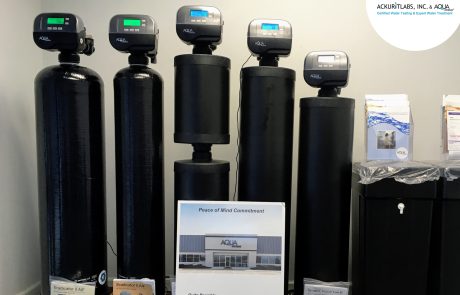
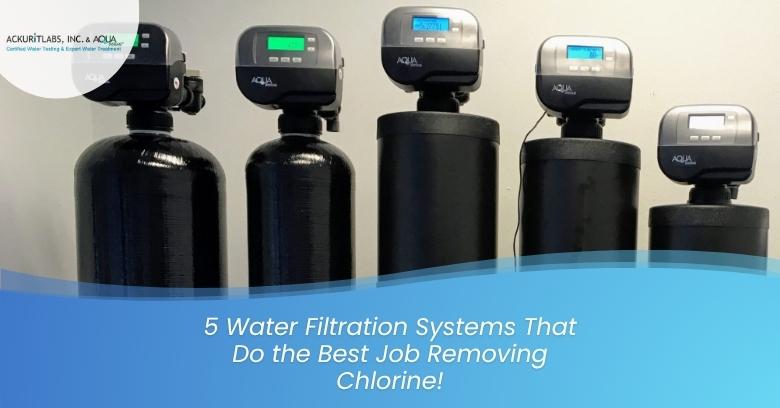
Porous carbon traps many organic molecules and chlorine on its surfaces as flow moves across them; a catalytic grade is often used where chloramine is the disinfectant. A saturated filter can release what it captured, which is why change schedules matter; a pre-filter often extends the life of the carbon.
Canisters on the Line: Keeping Spare Elements
The simplest way to protect a pump, a softener or a fixture is usually a sediment screen ahead of it, and a smaller rating catches finer particles but clogs sooner. Putting stages in the wrong order shortens the life of the costlier cartridge, and a pressure gauge on each side of the housing makes that visible.
Drinking Supply Upgrades: Pressure, Membrane and Reject Stream
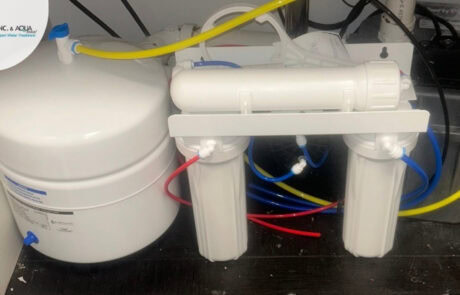
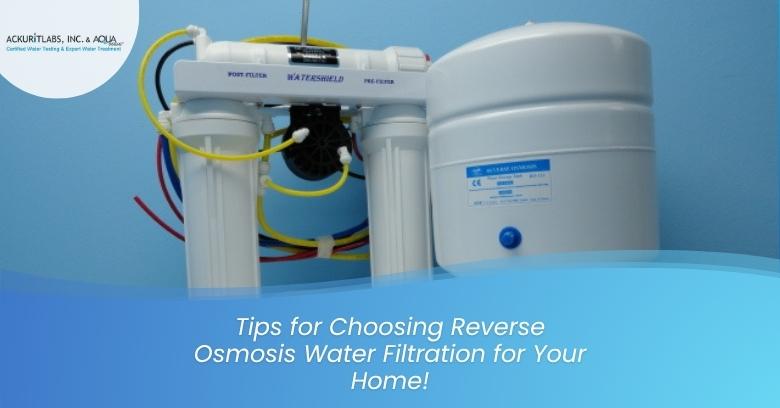
The membrane is the center of the system, flanked by pre-filters and a final carbon stage, and a small storage tank holds finished supply for the dedicated faucet. The reduction achieved depends on membrane condition, pressure and what is in the feed, and the reject volume is worth asking about.
Treating Iron, Sulfur and Microbes – the Carbon Stage Afterward
Where a well carries iron, sulfur or microbes, injecting chlorine is a long-established approach; the chlorine oxidizes iron and sulfide into forms that can be filtered out. Residual chlorine has to be removed afterward, and a carbon filter normally takes that job, and the setup should be checked after the first weeks.
Point of Entry Versus Point of Use: Choosing the Footprint
Everything inside the building sees treated flow when equipment sits at the entry; larger tanks and brine cabinets take real room. Many households combine both: a main-line device for scale and a sink model for taste; a layout on paper avoids surprises.
Choosing a Capacity: Gallons per Minute and Grains
Treating the household's peak demand, not its average, keeps pressure from dropping; a unit that is too small shortens the time between regenerations. Oversizing has drawbacks too, since idle media can foul and extra tanks need space; the sizing is not a mystery.
Plumbing, Power and Drain Needs: Tying Into Existing Lines
A bypass lets the household isolate a unit without shutting off the whole supply; a drain line, an air gap and a nearby outlet come with a softener. Permits or inspections can be required in some jurisdictions, depending on the work, and clear labels on valves help the next person.
Two Starting Points: Different Problems, Different Gear
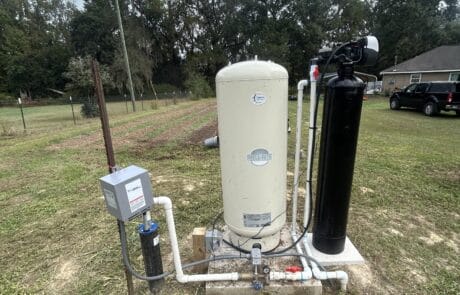
Private wells deliver untreated groundwater, which can carry iron, sulfur, hardness and microbes, and the right system differs accordingly. Because the two sources differ, the same product can be a great fit on one and wasted on the other; neighbors on the same aquifer can still differ.
Storms and Power Interruptions: Planning Before the Season
Electronic valves keep time with the power, so a clock that resets can trigger recharges at odd hours, and the manual shows how to reset the controller. Equipment that sat in floodwater needs inspection before it goes back into service; ask the installer what to do before a storm.
Where Everything Goes – Placement Decisions That Last
Noise from a unit tends to come from the drain line and the valve rather than the tanks; clear floor space around a tank makes salt loading simple. A tidy installation labels valves, supports the plumbing and keeps the area dry; measure doors and hallways as well.
Inherited Hardware: Compatibility With Present Plumbing
Many properties already have a tank, a filter housing or an under-sink unit, and the question is whether it still suits the supply, and the provider can often read the date code. A sediment screen or a carbon stage can often be added without replacing everything; nothing is replaced without a reason.
Larger Buildings and Heavier Demand: Duplex Tanks and Bigger Flows
Restaurants, offices and apartment buildings draw far more than a house, and the gear is scaled to match, and a controller can log regeneration cycles. Written procedures and a labeled schematic make handovers between staff smoother, because early warning beats a repair.
Keeping Equipment in Shape: What Gets Neglected
Treatment is not a one-time purchase, since something wears out or runs low on every system; adjust to what the supply actually does. If stains come back, or the taste creeps back, something in the chain has used up its capacity, and a retest confirms the numbers.
Verifying What Changed: When to Retest
A sample collected after the system is running shows whether the problem was solved, and the lab can run the identical methods again. Expect a number lower than before, not necessarily a number of zero; dates on everything keep the record clear.
What Equipment Cannot Do: Questions for Any Seller
Marketing language tends to be broader than what a product actually does; compare the data sheet with your lab report. A fair provider will tell you when equipment is not the fix, or not the whole fix; weigh each source on how specific it is.
Comparing Proposals: Points Worth Raising
- Is the recommended size tied to the lab figures and the household's flow; ask for the reasoning in writing.
- What parts and consumables are needed, and how often do they need replacing; ask for a copy of the manuals too.
- Where should the paperwork for the system be stored; ask about it before work starts.
Getting Advice: Questions Are the Starting Point
Phone Ackuritlabs And Aqua Systems at 850-616-2634 and ask what to collect before any equipment is chosen.
The Short Version – Upkeep Keeps It Working
Every lasting installation rests on a clear diagnosis, a suitable size and regular care, because each property in Greensboro Florida has its own story, whatever any page says about Reverse Osmosis Service. Questions are welcome at 850-616-2634, where Ackuritlabs And Aqua Systems can lay out the options; the details you share shape the advice.
Verified

Verified
Verified
Verified
Verified