Looking for Water Filtration Around Fort Braden Florida?
A treatment system is a tool for one job, so the job has to be named before the tool is picked, and the sections below explain how the common options differ.
Contact Ackuritlabs And Aqua Systems at 850-616-2634 and describe the stains, scale or smells you want gone.
Where Treatment Begins: Why Skipping It Backfires
Equipment bought off a shelf may handle a different problem than the one at the tap; most reputable providers ask for results before quoting a system. If the history of the supply is unknown, a baseline panel is the sensible opener; skipping ahead is where most mismatches begin.
Resin Tanks – What It Fixes and What It Leaves
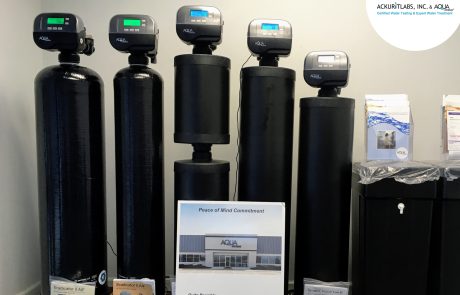
The core of a standard softener is a resin bed that exchanges hardness minerals for a softer ion; the unit needs a drain line and a power outlet. Laundry and dishes tend to come out cleaner where the minerals have been removed; the lab result still decides what else belongs in the plan.
Conditioning Instead of Softening: No Drain, No Salt, Different Results
The minerals stay in the supply, but the device nudges them toward forming less scale on surfaces; they need no electricity in many designs. Expect scale to be reduced rather than eliminated, and expect no change in how soap lathers, and it helps compare options fairly.
Adsorption Media – Contact Time and Capacity
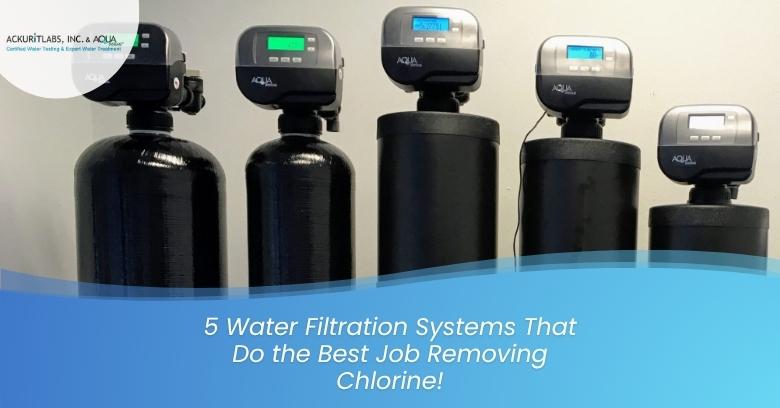
Surfaces inside the carbon grab onto particular chemicals, leaving a cleaner taste behind; it helps to know what the utility adds. A saturated filter can release what it captured, which is why change schedules matter; a pre-filter often extends the life of the carbon.
Housings and Replaceable Elements: Sizes, Ratings and Swaps
Grit and flakes get stopped by a pleated or wound element sitting in a clear or opaque canister, and the sequence is part of the design. Putting stages in the wrong order shortens the life of the costlier cartridge, and a pressure gauge on each side of the housing makes that visible.
Drinking Supply Upgrades – Dissolved Solids Reduced
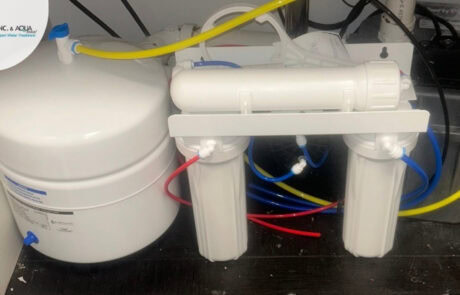
A membrane passes the liquid and rejects a large share of dissolved salts and other solids, while larger units serve whole buildings. Reverse osmosis units reduce many dissolved substances, though performance varies by model and by supply; ask for the maintenance schedule in writing.
Oxidation Systems: a Metering Pump and a Retention Tank
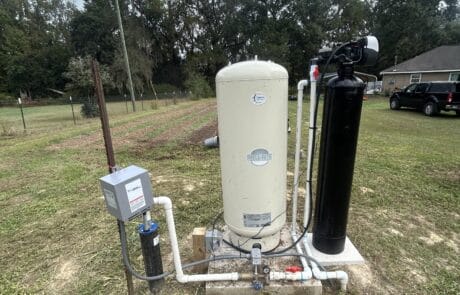
The setup pairs a feed pump with a retention tank so the chlorine has time to work; time in the tank is what makes the reaction complete. A backwashing filter often follows, clearing the particles the reaction produces; a wrong dose helps nobody.
Where the Equipment Sits: What Each Layout Covers
Point-of-entry installations deal with problems that affect the entire plumbing system; scale, iron and chlorine are the usual reasons to go this route. Many households combine both: a main-line device for scale and a sink model for taste; ask for a simple diagram of the plan.
Matching the Unit to the House: Room to Grow
Treating the household's peak demand, not its average, keeps pressure from dropping, along with the hardness or iron level on the lab report. When a unit is too small, pressure falls at fixtures during busy mornings; the sizing is not a mystery.
Practical Requirements: the Checklist Behind a Clean Install
Most systems need a bypass valve so the plumbing can keep flowing during service; a drain line, an air gap and a nearby outlet come with a softener. Local plumbing and electrical rules may apply, and the installer is the one to know them; measure before ordering.
Wells Versus City Lines: Different Problems, Different Gear
Private wells deliver untreated groundwater, which can carry iron, sulfur, hardness and microbes, and the right system differs accordingly. A quick description of the plumbing path is enough to start the right conversation; photos of the existing equipment help.
Weather and the Equipment Room: Controllers, Pumps and Flooding
Electronic valves keep time with the power, so a clock that resets can trigger recharges at odd hours, and the manual shows how to reset the controller. Anything touched by flooding, including a well pump and chemical feed gear, deserves a professional look; keep manuals and settings notes together.
Living With the Equipment – Placement Decisions That Last
A recharge brings gurgling and flowing noises for a spell, usually at a scheduled hour, and a level pad keeps tanks from shifting. Equipment is easiest to live with when the controls and the drain sit where a person can reach them, and the provider should ask about access.
Inherited Hardware – Keep, Repair or Replace
Older units may still work but have worn parts, such as seals, valves, resin or membranes; a fresh lab panel shows whether the present system is still doing its job. Adding a stage to an existing setup requires attention to order, flow rate and pressure drop; photographs of the current setup speed up the first conversation.
Larger Buildings and Heavier Demand: Boilers, Ice Machines and Kitchens
Business equipment is sized for higher flows and often arranged in pairs so one tank can work while the other recharges, and a drawing of the proposed layout is a reasonable request. Written procedures and a labeled schematic make handovers between staff smoother; a log of salt, media and filter changes helps.
Maintenance Rhythm – Small Tasks That Protect Big Parts
Resin beads age slowly, and cartridges and pre-filters age quickly; a simple calendar reminder prevents most lapses. Noisy valves, salt bridges in the tank and slow flow are signs worth a look; an annual look at the controls is sensible.
Verifying What Changed: When to Retest
Measurements taken after setup show the change in black and white; a retest a few months in shows whether the system is holding. Some substances respond well and others hardly at all, which the new figures reveal; a short note on the equipment installed completes the record.
Limits to Keep in Mind: Misuse and Misfit
A softener will not make a supply taste different, and a carbon filter will not soften it; ask how that is demonstrated. A provider unwilling to discuss limits is one to think twice about, and a plain no is sometimes the most useful answer.
Questions for a Provider: Details That Separate Good Plans
- What does the proposal assume about hardness, iron and chlorine, and where did those figures come from, and what stays the same afterward.
- Who installs the equipment, and who services it after the job is done; a walk-through at the end is reasonable to ask for.
- What does a retest look like, and when is it scheduled; write the answers down.
Getting Advice – Share Your Lab Report
Dial Ackuritlabs And Aqua Systems at 850-616-2634 to ask what a sensible first step would be for your supply.
The Short Version: Next Steps
A dependable setup follows a sequence: measure the supply, pick equipment to suit, install it carefully and test again, and everything above about Water Filtration in Fort Braden Florida is general background, not a verdict. The number to call is 850-616-2634, and the conversation is the first step; the call goes quickly.
Verified

Verified
Verified
Verified
Verified