Need Whole House Water Filtration Installation Throughout Greensboro Florida?
A treatment system is a tool for one job, so the job has to be named before the tool is picked; the sections below describe what each option does and where it stops.
Call Ackuritlabs And Aqua Systems at 850-616-2634 and describe the stains, scale or smells you want gone.
The Order of Operations: Naming the Target
Equipment bought off a shelf may handle a different problem than the one at the tap, which keeps the proposal tied to evidence. Where no result exists yet, a provider can often suggest what to measure; patience at this stage tends to save money later.
Ion Exchange: How the Resin Works
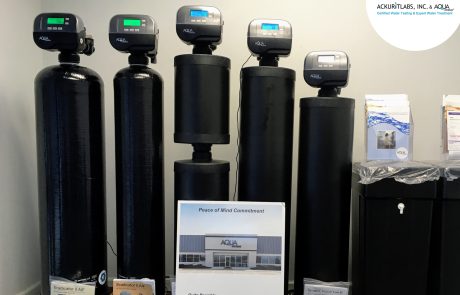
The core of a standard softener is a resin bed that exchanges hardness minerals for a softer ion; a control valve decides when to regenerate by clock or by usage. Scale buildup on heaters, kettles and shower heads slows down where hardness has been removed; other equipment handles those jobs.
Scale Control Without Salt: an Honest Comparison
The minerals stay in the supply, but the device nudges them toward forming less scale on surfaces, though results vary with the water and the model. Because the minerals remain, soap and shampoo behave as they would on hard supply, and it helps compare options fairly.
Adsorption Media: Matching Carbon to the Target
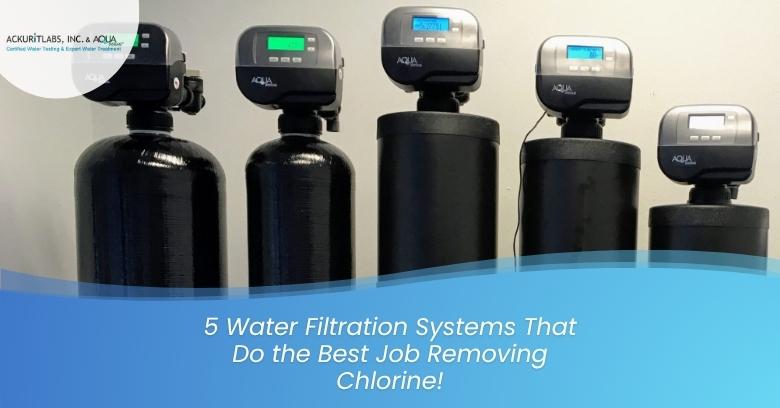
Carbon holds onto certain compounds as supply passes through, which cuts chlorine taste and some odors; each type of carbon targets specific compounds, so the media is picked to suit the finding. Every carbon filter eventually fills up, so replacement or backwashing is part of owning one; a taste that creeps back is the usual reminder.
Canisters on the Line – Why Order Matters
Particle filters are the first stage in many systems, catching whatever would clog the rest; a series of coarse then fine elements spreads the load. Putting stages in the wrong order shortens the life of the costlier cartridge; keep a spare cartridge on a shelf.
Reverse Osmosis – Dissolved Solids Reduced
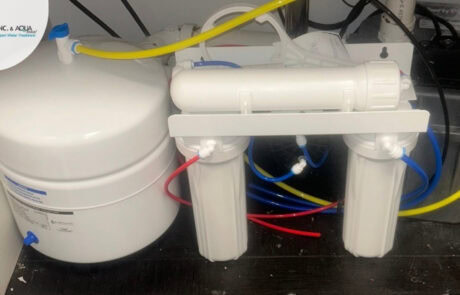
Pressure pushes the supply against a semipermeable membrane, and most dissolved material is held back; most home units sit under a sink and serve one tap. Some units add minerals back after the membrane to adjust taste; ask for the maintenance schedule in writing.
Oxidation Systems: Why Dose Control Matters
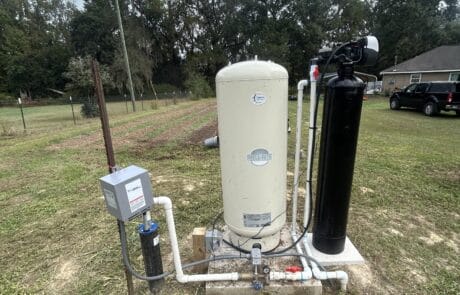
A pump, a tank and a backwashing filter form the heart of a chlorination setup; the chlorine oxidizes iron and sulfide into forms that can be filtered out. Residual chlorine has to be removed afterward, and a carbon filter normally takes that job, and the setup should be checked after the first weeks.
Whole-House or Single-Tap: What Each Layout Covers
Point-of-entry installations deal with problems that affect the entire plumbing system; a garage or utility closet often becomes the home. Smaller units at one sink target what people drink, leaving the rest of the plumbing alone; the provider can sketch where each unit would go.
Matching the Unit to the House – People, Fixtures and Usage
Treating the household's peak demand, not its average, keeps pressure from dropping; high readings use up capacity faster. An undersized system forces flow past the media too fast, which weakens the result, and an installer should explain why a particular size was chosen.
Plumbing, Power and Drain Needs – Planning for Service Access
Valves around the equipment allow it to be taken out of service in minutes; chlorine feed pumps and contact tanks add their own requirements. Checking with the local office is sensible before anything is cut or glued; leave room to open the tank lid and swap a cartridge.
Two Starting Points: Planning Around the Source
A well has no utility between it and the tap, so equipment often handles more of the load; sediment and iron tend to be the early concerns. A carbon unit that suits a city line may be useless against the main problem of a well; mention the source on the first call.
Weather and the Equipment Room: Planning Before the Season
Softeners and filters with electronic controllers can lose their settings in a long outage unless a backup battery holds them, and the manual shows how to reset the controller. Silt in a housing, a wet motor or a corroded joint can turn a repair into a replacement; keep manuals and settings notes together.
Day-to-Day Presence: Keeping the Area Tidy
Noise from a unit tends to come from the drain line and the valve rather than the tanks; a garage, a utility closet or a pump house is the usual home. Equipment is easiest to live with when the controls and the drain sit where a person can reach them, and the provider should ask about access.
Replacement and Add-Ons: Planning a Sensible Sequence
Older units may still work but have worn parts, such as seals, valves, resin or membranes, which helps weigh a repair against a new unit. The simplest upgrade is often a fresh set of cartridges or media, not a new system; ask for a plain list of what changes and what stays.
Equipment for Operations – Coordinating With Maintenance
Business equipment is sized for higher flows and often arranged in pairs so one tank can work while the other recharges, and a drawing of the proposed layout is a reasonable request. A property manager benefits from a maintenance plan that lists tasks, intervals and who does them, because early warning beats a repair.
Service Schedule: Signs a Unit Needs Attention
Soft supply depends on a brine tank that is kept stocked; adjust to what the supply actually does. If stains come back, or the taste creeps back, something in the chain has used up its capacity; the provider can inspect and adjust.
The Second Sample – Filing the Evidence
A sample collected after the system is running shows whether the problem was solved; a retest a few months in shows whether the system is holding. Expect a number lower than before, not necessarily a number of zero; store copies where they can be found.
Limits to Keep in Mind – Read the Fine Print
A softener will not make a supply taste different, and a carbon filter will not soften it; ask how that is demonstrated. If a proposal does not mention the lab results, ask how it was reached, and the same standard applies to anything written on this page.
A Short Interview – Written Answers Preferred
- Which lab results is the proposal based on, and which items does it address; ask for the reasoning in writing.
- Who installs the equipment, and who services it after the job is done, and how can questions be raised afterward.
- Where should the paperwork for the system be stored, and what does it say about future servicing.
Start the Conversation – Share Your Lab Report
Contact Ackuritlabs And Aqua Systems at 850-616-2634 to find out how a system would be planned and sized.
Bringing It Together – Upkeep Keeps It Working
Good outcomes come from habits worth repeating: testing first, buying second and checking afterward; whatever has brought you to read about Whole House Water Filtration Installation near Greensboro Florida, a short call sorts out where to begin. To get started, reach Ackuritlabs And Aqua Systems at 850-616-2634; the details you share shape the advice.
Verified

Verified
Verified
Verified
Verified