Need Chlorine Injector Installation Throughout Blountstown Florida?
Equipment gets chosen to fix a measured problem, and the fix is only as good as the diagnosis behind it, and the sections below cover sizing, setup and upkeep.
Call Ackuritlabs And Aqua Systems at 850-616-2634 to talk through what the tap has been doing.
Before Any Equipment – Results Decide the Hardware
Orange stains, chalky scale and a swampy smell can each have a separate cause, and each calls for different gear, which keeps the proposal tied to evidence. Even a brief description of the symptoms helps decide which measurements to order, and the choice of equipment follows once the numbers arrive.
The Salt-Based Softener – What It Fixes and What It Leaves
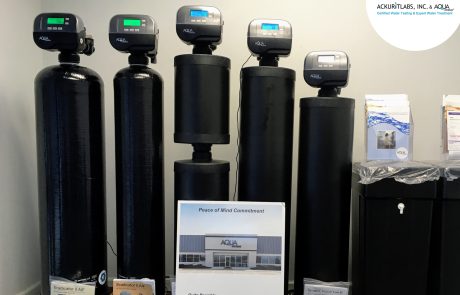
The beads in a softener hold hardness minerals until they are rinsed clean; a control valve decides when to regenerate by clock or by usage. Where a softener is sized correctly, white crust becomes much less of a chore, though a softener does little for iron staining beyond a modest level.
Alternatives to the Brine Tank: What They Do and Do Not Do
These devices work on how scale sticks, and they do not strip the minerals out, and maintenance is limited to replacing the media on a schedule. Because the minerals remain, soap and shampoo behave as they would on hard supply; asking for a plain description of the outcome avoids disappointment.
Adsorption Media: Matching Carbon to the Target
Filters based on carbon are the usual choice for chlorine taste and many household odors, and the lab or the utility report can say. Carbon has a limited capacity, and once it is spent, it stops doing its job; a taste that creeps back is the usual reminder.
Canisters on the Line: Keeping Spare Elements
The simplest way to protect a pump, a softener or a fixture is usually a sediment screen ahead of it, which lets each cartridge last longer. Carbon cartridges, including carbon block types, often sit downstream of the sediment stage; replacements are sold by size, so note the model.
High-Pressure Polishing: Fair Expectations
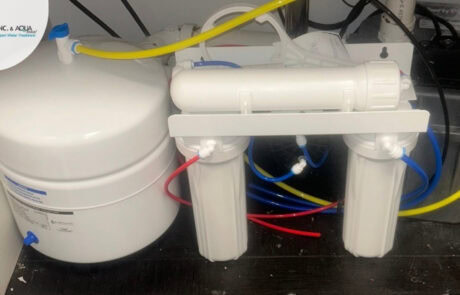
Pressure pushes the supply against a semipermeable membrane, and most dissolved material is held back, while larger units serve whole buildings. A lab test before and after is the reliable way to know what a particular system achieves, and the reject volume is worth asking about.
Treating Iron, Sulfur and Microbes: a Metering Pump and a Retention Tank
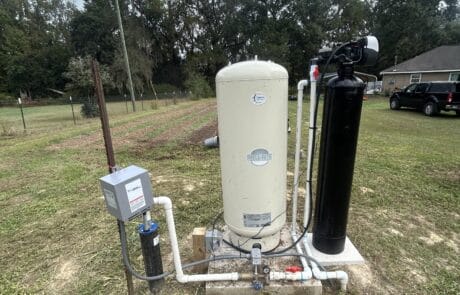
The setup pairs a feed pump with a retention tank so the chlorine has time to work; the tank is sized to the flow of the well. Residual chlorine has to be removed afterward, and a carbon filter normally takes that job; a wrong dose helps nobody.
Where the Equipment Sits: Choosing the Footprint
Whole-house layouts put one set of equipment ahead of every fixture, and the machinery needs floor space near the main shutoff. Smaller units at one sink target what people drink, leaving the rest of the plumbing alone, and the two approaches work well together.
Sizing – People, Fixtures and Usage
Ratings printed on the label describe the equipment, and the installer matches them to the building; a bigger tank may be the practical answer. Oversizing has drawbacks too, since idle media can foul and extra tanks need space, and an installer should explain why a particular size was chosen.
What the Job Requires: the Checklist Behind a Clean Install
Most systems need a bypass valve so the plumbing can keep flowing during service; the walk-through before work matters. Whoever does the installation should be able to say what the local rules ask for, and clear labels on valves help the next person.
Supply Source Matters: Different Problems, Different Gear
Raw well supply brings the chemistry of the ground straight to the plumbing, and the right system differs accordingly. The provider needs to know which source feeds the house before suggesting anything; neighbors on the same aquifer can still differ.
Storms and Power Interruptions – Protecting Gear From Surge and Silt
A unit left without power may skip a scheduled recharge, which leaves the media tired when flow resumes; checking the time and the settings after power returns takes a minute. Equipment that sat in floodwater needs inspection before it goes back into service; ask the installer what to do before a storm.
Day-to-Day Presence – Placement Decisions That Last
Noise from a unit tends to come from the drain line and the valve rather than the tanks, and a level pad keeps tanks from shifting. Leaving room to open lids, change cartridges and read gauges makes upkeep a quick job, and the installer can suggest a layout.
Inherited Hardware – Reading Old Labels
Equipment bought long ago was chosen for a supply that may have changed since, which helps weigh a repair against a new unit. A sediment screen or a carbon stage can often be added without replacing everything, and old manuals are worth saving.
When a Property Has Many Users: Written Specifications
Business equipment is sized for higher flows and often arranged in pairs so one tank can work while the other recharges, and a drawing of the proposed layout is a reasonable request. Staff who run the building need to know where the valves are and what each one does, and the provider can supply those if asked.
Routine Care – Setting Reminders
Treatment is not a one-time purchase, since something wears out or runs low on every system; the manual lists intervals, though a heavy load shortens them. If stains come back, or the taste creeps back, something in the chain has used up its capacity, and a service call beats a failed system.
The Second Sample – Filing the Evidence
Comparing a new lab report against the original is how a household confirms the hardware did its job, which matters for cartridges and media that wear. Expect a number lower than before, not necessarily a number of zero; store copies where they can be found.
Honest Limits: No Single Device Fixes Everything
Each technology removes some things and leaves others, so a layered setup is common; ask how that is demonstrated. A provider unwilling to discuss limits is one to think twice about; weigh each source on how specific it is.
Before You Sign: Scope, Parts and Follow-Up
- Which lab results is the proposal based on, and which items does it address, and what stays the same afterward.
- How is the unit set up at the start, and what will you be shown before the crew leaves, and how can questions be raised afterward.
- How will you know the equipment is working a few months from now; ask about it before work starts.
Planning a System: Questions Are the Starting Point
Call Ackuritlabs And Aqua Systems at 850-616-2634 to find out how a system would be planned and sized.
What to Remember: Test, Choose, Install, Confirm
Matching a device to a lab result, sizing it to the building and keeping up with upkeep is the whole recipe; whatever has brought you to read about Chlorine Injector Installation near Blountstown Florida, a short call sorts out where to begin. The number to call is 850-616-2634, and the conversation is the first step; mention whether the supply is a well or a utility line.
Verified

Verified
Verified
Verified
Verified