Weighing Options for Water Softening Service Throughout Blountstown Florida?
A treatment system is a tool for one job, so the job has to be named before the tool is picked; the sections below describe what each option does and where it stops.
Dial Ackuritlabs And Aqua Systems at 850-616-2634 to ask how an installation is planned.
The Step Ahead of the Purchase – Results Decide the Hardware
Equipment bought off a shelf may handle a different problem than the one at the tap, and the figure is what a provider uses to size and pick the unit. Even a brief description of the symptoms helps decide which measurements to order, and the choice of equipment follows once the numbers arrive.
Resin Tanks: Regeneration in Plain Terms
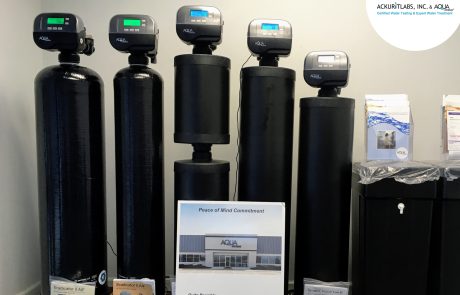
The beads in a softener hold hardness minerals until they are rinsed clean; a control valve decides when to regenerate by clock or by usage. Where a softener is sized correctly, white crust becomes much less of a chore; other equipment handles those jobs.
Conditioning Instead of Softening: an Honest Comparison
Nothing is exchanged, so the lab number for hardness reads the same before and after, which suits some households and some local rules. Because the minerals remain, soap and shampoo behave as they would on hard supply, and a good provider explains that before the purchase.
Carbon Filtration: Matching Carbon to the Target
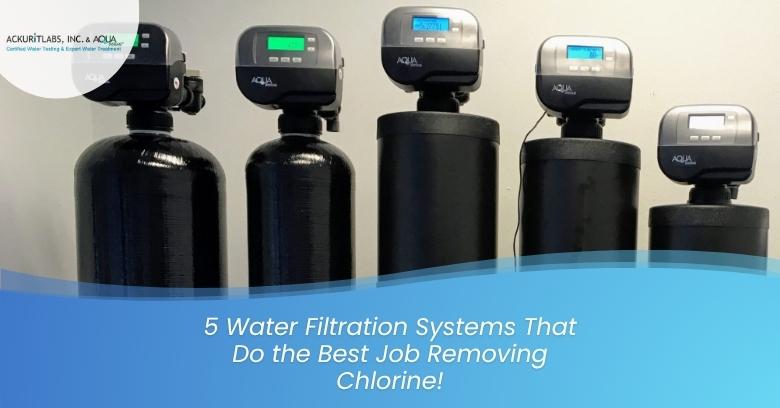
Porous carbon traps many organic molecules and chlorine on its surfaces as flow moves across them; each type of carbon targets specific compounds, so the media is picked to suit the finding. Capacity depends on how much is in the supply and how much a household uses; a taste that creeps back is the usual reminder.
Housings and Replaceable Elements – Catching Grit Before It Travels On
A housing on the line holds a cartridge that screens out particles above a chosen size; a series of coarse then fine elements spreads the load. A carbon cartridge installed in the same housing style handles taste while the sediment unit handles grit; replacements are sold by size, so note the model.
Membrane Systems – Storage Tank, Faucet and Drain
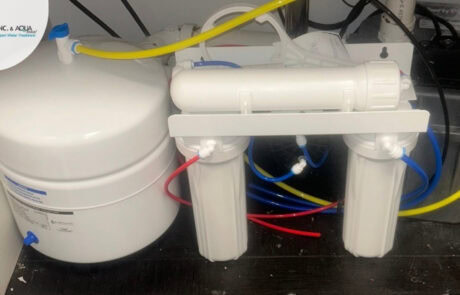
The membrane is the center of the system, flanked by pre-filters and a final carbon stage; the rejected stream runs to a drain, so a connection to the sink drain is part of the installation. A lab test before and after is the reliable way to know what a particular system achieves, and a membrane may last for a long stretch if it is protected.
Treating Iron, Sulfur and Microbes: What the Installer Sets Up
A metering pump feeds sodium hypochlorite into the flow, and a tank gives it time to react; the tank is sized to the flow of the well. Where the supply is meant for drinking, the leftover chlorine is filtered off; dosing is not a do-it-yourself guess.
Point of Entry Versus Point of Use: Planning the Pipe Run
Everything inside the building sees treated flow when equipment sits at the entry; the flow at the entry is worth measuring before ordering. Smaller units at one sink target what people drink, leaving the rest of the plumbing alone; the provider can sketch where each unit would go.
Flow Rate and Capacity: What Undersizing Looks Like
Treating the household's peak demand, not its average, keeps pressure from dropping; the number of bathrooms and people is part of the calculation. A well-matched system suits the building rather than the biggest model on offer; the sizing is not a mystery.
Space and Connections: Tying Into Existing Lines
Shutoffs on both sides of a unit make servicing simple, and electrical needs vary from a plug-in transformer to a dedicated circuit. Local plumbing and electrical rules may apply, and the installer is the one to know them; a tidy install is easier to maintain.
Two Starting Points – Pressure Tanks and Pumps
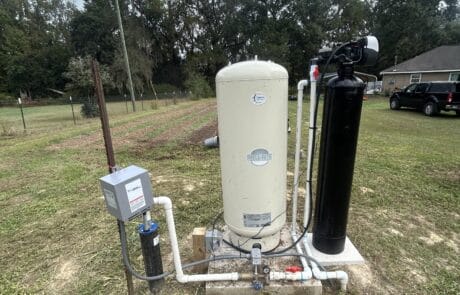
Supply from a public system arrives already disinfected, which changes what is left to fix; wells also bring a pump and a pressure tank into the plan. Because the two sources differ, the same product can be a great fit on one and wasted on the other; mention the source on the first call.
When the Lights Go Out: Planning Before the Season
Electronic valves keep time with the power, so a clock that resets can trigger recharges at odd hours; a quick look at the salt level and the drain line completes the check. A flooded system should be shut off and checked before use, since damage is not always visible; write down the shutoff locations.
Day-to-Day Presence: Garages, Closets and Mechanical Rooms
Pumps and metering equipment hum when they work, so placement matters for bedrooms and offices; a garage, a utility closet or a pump house is the usual home. Some owners build a small enclosure, though it must not block air or access, and the provider should ask about access.
Replacement and Add-Ons: Compatibility With Present Plumbing
Inherited hardware is worth examining before anything new is added; a fresh lab panel shows whether the present system is still doing its job. Adding a stage to an existing setup requires attention to order, flow rate and pressure drop; photographs of the current setup speed up the first conversation.
Equipment for Operations: Duplex Tanks and Bigger Flows
Commercial installations are usually specified on paper, with flow rates and targets spelled out, and a controller can log regeneration cycles. Commercial owners usually want service records, so the system should make them easy to keep; a log of salt, media and filter changes helps.
Keeping Equipment in Shape – Small Tasks That Protect Big Parts
Resin beads age slowly, and cartridges and pre-filters age quickly; adjust to what the supply actually does. Any change from how the system used to behave is the cue to check it, and a service call beats a failed system.
The Second Sample – Numbers, Not Impressions
Nothing beats a repeat panel for showing whether the readings moved, which matters for cartridges and media that wear. A result that falls short is information, and it points to what to add or change; store copies where they can be found.
Expectations Worth Setting – Read the Fine Print
Marketing language tends to be broader than what a product actually does; compare the data sheet with your lab report. A fair provider will tell you when equipment is not the fix, or not the whole fix; weigh each source on how specific it is.
Questions for a Provider – Everything in Writing
- Which lab results is the proposal based on, and which items does it address, and the proposal should say so on paper.
- Which local rules apply to this installation, and who handles them; get the details itemized.
- Which items are checked on a routine visit, and which need special tools; ask about it before work starts.
Start the Conversation: Bring What You Know
Call Ackuritlabs And Aqua Systems at 850-616-2634 and ask what to collect before any equipment is chosen.
What to Remember: Matching Hardware to the Finding
The reliable path runs from a lab figure, through a sensible choice of equipment, to a retest that shows the change, and everything above about Water Softening Service in Blountstown Florida is general background, not a verdict. To get started, reach Ackuritlabs And Aqua Systems at 850-616-2634; mention whether the supply is a well or a utility line.
Verified

Verified
Verified
Verified
Verified